
Separation can change much of your everyday life at once: where you live, who you see and how you spend your time. Whether you chose to leave or wanted the relationship to continue, there may be a lot to take in.
You might feel relief, sadness, anger or uncertainty, sometimes within the same day. Missing your partner or parts of your life together doesn’t necessarily mean you want the relationship back.
You may also miss the future you’d imagined: shared plans, family occasions or growing older together. Even when ending the relationship feels right, those hopes can be difficult to let go of.
Practical decisions may need attention while you’re still upset. Housing, money, belongings and arrangements for children can involve repeated conversations when you’d rather have some distance. You don’t have to work everything out at once, though some matters may need prompt advice.
A few things to keep in mind…
- You can choose to leave and still feel sad. You may miss affection, familiar routines or good times you shared. Those feelings can sit alongside knowing why you wanted the relationship to end.
- You don’t have to feel the same way every day. Relief after one conversation may be followed by sadness after another. A difficult afternoon doesn’t settle whether the separation was right or wrong.
- Everyday routines may need rebuilding. Meals, weekends and family occasions can feel unfamiliar without your partner. Start with a few arrangements that make the coming week manageable, rather than expecting to plan your whole new life.
- Changes in friendships can hurt too. Some people may stay close to both of you; others may become distant or unsure what to say. Tell trusted friends what would help, including whether you’d prefer not to hear updates about your former partner.
- Practical matters and feelings may move at different speeds. You may need to discuss money or housing before you feel ready, or still feel upset after arrangements are settled. Getting practical help can leave you with less to carry on your own.
When other people expect you to move on
Friends may assume you feel relieved if you chose to leave, or expect you to be angry if your partner ended the relationship. You may feel either, both or something quite different.
You don’t have to defend the separation every time you miss something about your life together. You can talk about a loss without asking anyone to help you reverse the decision.
Some days may be taken up with paperwork and practical arrangements. On others, an ordinary moment — cooking for one, collecting the children or hearing news you would once have shared — may be what feels hardest.
Things that may help
Separate urgent tasks from decisions that can wait. Make a short list of what needs attention this week and what you need advice about. If money, housing or arrangements for children are uncertain, seek appropriate advice before making lasting commitments. Citizens Advice is one place to start looking for practical information.
Give practical conversations a clear purpose. Where contact is safe, consider agreeing how you’ll communicate and keeping each discussion focused on a particular matter. Writing down questions beforehand may help you avoid trying to settle everything in one conversation.
If contact involves threats, intimidation or control, seek specialist advice rather than trying to make the conversations work on your own.
Ask someone to help with the administration. A trusted friend could sit with you while you organise documents, help prepare questions for an adviser or bring a meal on a demanding day. They don’t need to make decisions for you to make the workload easier.
Find somewhere you can speak honestly. You might tell a friend, “I know why we separated, but I’m still finding it painful.” If shared friendships make that difficult, a counsellor can offer space outside the people you both know.
Make a modest plan for difficult times. Weekends, holidays or evenings without the children may feel unfamiliar. Arrange some company or an activity if you want it, while leaving room for rest. You don’t have to fill every gap immediately.
Finding support
You may need different people for different kinds of help: an adviser for practical questions, a friend for company and someone you can talk to about the relationship. One person doesn’t have to meet every need.
If you’re finding everyday life difficult to manage, or are worried about your mood, anxiety or sleep, speak to your GP. NHS Talking Therapies may help with anxiety or depression following a separation; in England, you can refer yourself without going through your GP.
If you’re having thoughts of self-harm or need urgent mental health support, seek help promptly. The Support directory lists crisis contacts. If you’re in immediate danger or have seriously harmed yourself, call 999 or go to A&E.
Recommended reading
If you’d like to read more about adjusting to separation, these books offer practical suggestions and space to think about what comes next.
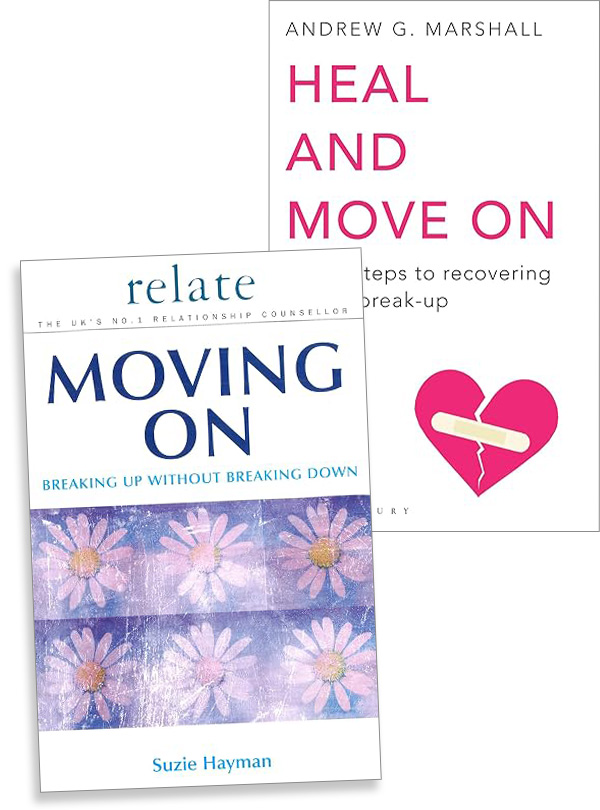
Suzie Hayman’s Moving On: Breaking Up Without Breaking Down, part of the Relate series, draws on her experience as a relationship counsellor. It considers the stress of separating and ways to manage the changes it brings.
Andrew G. Marshall’s Heal and Move On: Seven Steps to Recovering from a Break-Up includes exercises for people who chose to leave and those who wanted the relationship to continue. It may interest you if you prefer a structured way to reflect on the breakup and begin making plans for yourself.