
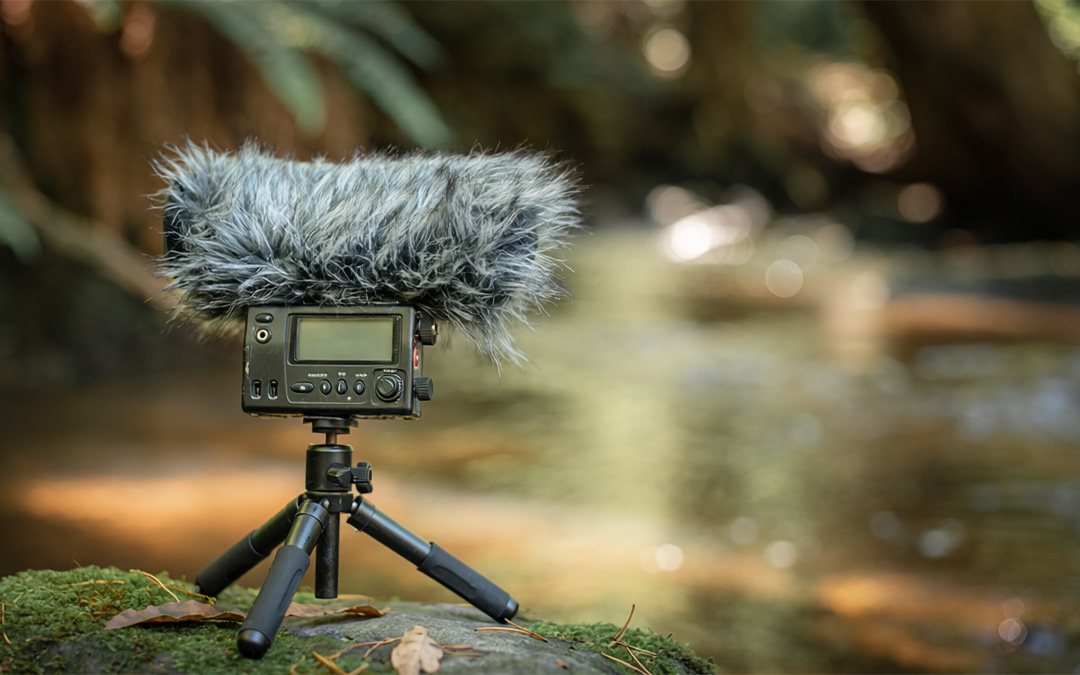
Sometimes the most calming thing isn’t a voice at all — just rain, or fire, or water, doing what it’s always done.
There’s real science behind it, not just a pleasant feeling. For almost all of human history, we lived outdoors, and our brains evolved to read certain natural sounds as signals of safety.
Rain, wind, birdsong, moving water – none of them mean danger, so hearing them tends to switch off a bit of background vigilance most of us are carrying without noticing.
Some of it is more specific than that. Ocean waves break and retreat at roughly 6–8 cycles a minute – close to the rate of relaxed breathing – and there’s a real entrainment effect where the rhythm can slow your own breathing down without you trying.
Rain does double duty: it’s a nature sound, but it’s also close to pink noise, so it masks other sounds at the same time as it calms you.
Five popular sounds
Chosen for how consistently they show up across sleep and relaxation research.
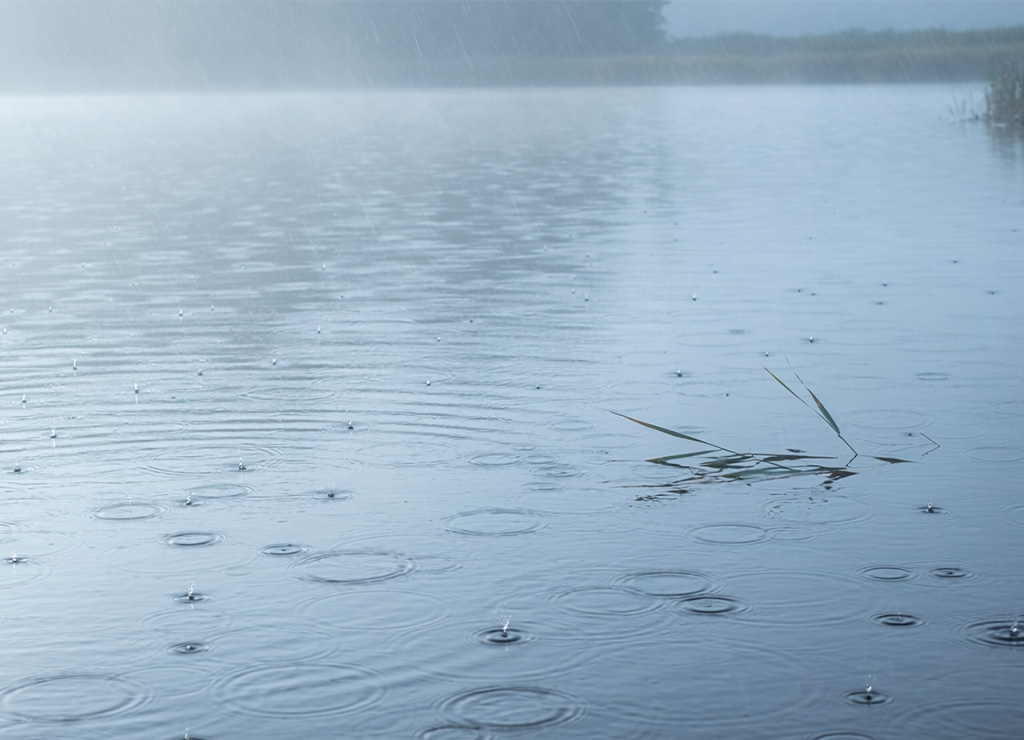
Gentle rain
Steady, unbroken rainfall, no thunder. The most consistently popular calming sound.

Chirping birds
A calm daytime sound rather than a sleep one, included for a different kind of listening.

Lapping waves
Slow, rhythmic waves breaking and retreating, close to the pace of relaxed breathing.
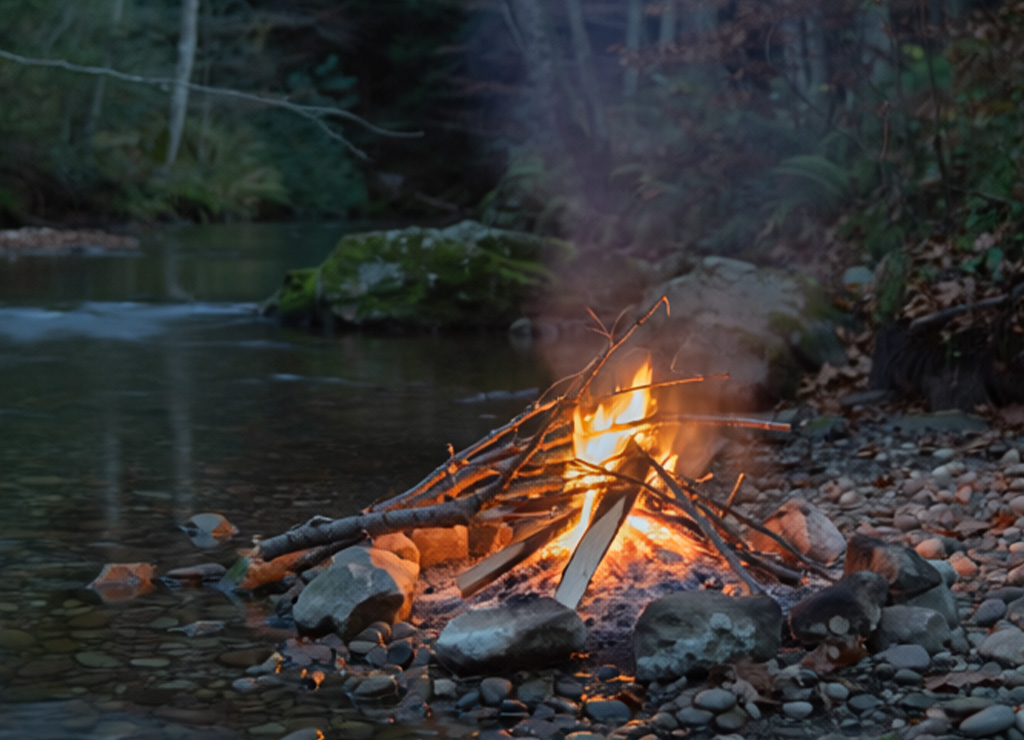
Crackling bonfire
Soft pops and settling embers, not a roaring blaze. A warmer, more grounded kind of background.
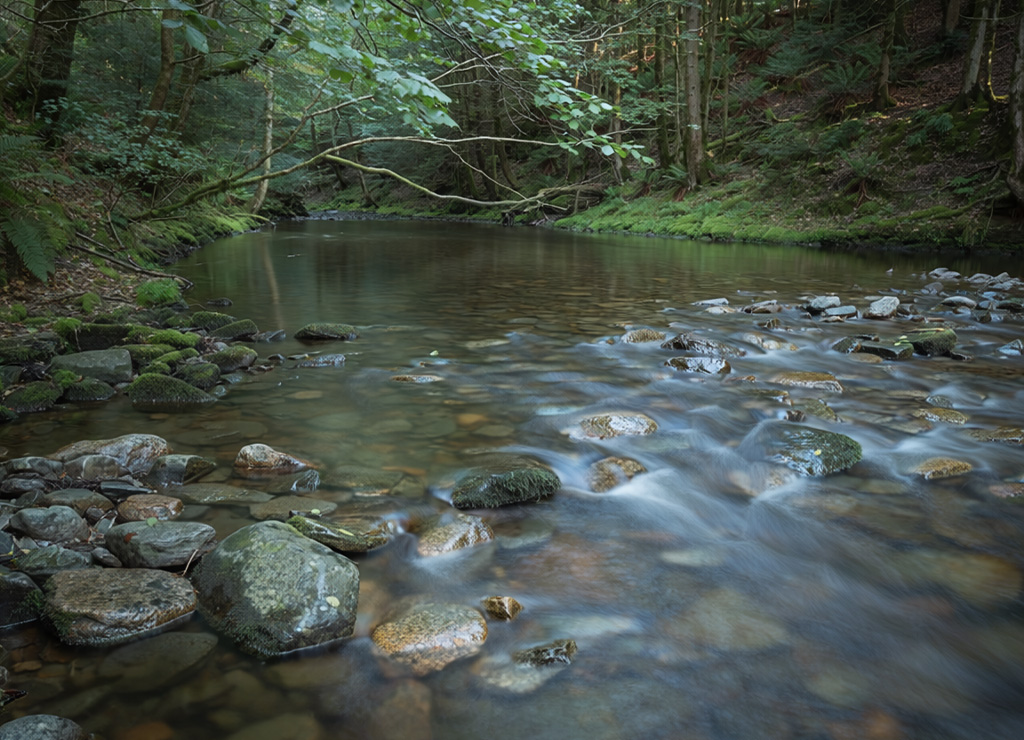
Burbling brook
Light, continuous water over stones. One of the gentlest sounds there is — easy to leave running for hours.
Why it works
Steady, continuous sound generally beats anything with sudden peaks for extended listening, and not every calming sound suits every purpose: birdsong is a strong daytime signal, but several sources flag it as a touch too alerting for sleep specifically.
Most people use sounds like these as a bed for something else – reading, working, falling asleep – rather than sitting and listening on their own, which is worth keeping in mind when you’re choosing length and how something loops.