
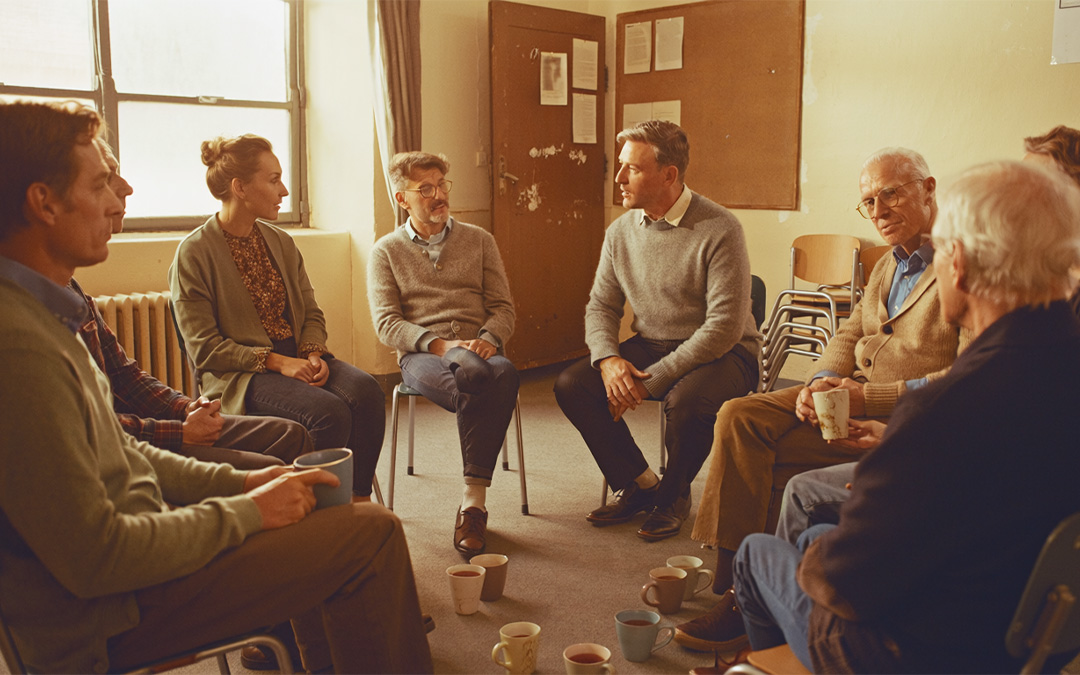
Most meditation is something you take up on your own. MBSR is a course – eight weeks, a teacher, a group and a fair amount of homework – and that structure is why it has more research behind it than almost any other calming practice.
Mindfulness-Based Stress Reduction was designed for hospital patients, not spiritual seekers. It takes the same basic act as ordinary meditation – noticing where the attention has gone, and bringing it back – and sets it inside a fixed curriculum.
Because courses follow the same pattern wherever they run, researchers have been able to study them properly for more than forty years.
Where it comes from
In 1979 Jon Kabat-Zinn, a molecular biologist with a long personal meditation practice, opened the Stress Reduction Clinic at the University of Massachusetts Medical School.
His patients were people medicine had largely run out of answers for – chronic pain, heart disease, conditions that weren’t going to be cured.
He kept the Buddhist practices and dropped the Buddhist vocabulary. His early studies followed chronic pain patients through the course and found large falls in reported pain and distress – less because the pain disappeared than because people’s relationship to it changed.
How to do it
A standard course follows a shape that hardly varies from one teacher to the next:
- Find a trained teacher. Courses run in person and online. In the UK, the British Association of Mindfulness-Based Approaches (BAMBA) keeps a listing of teachers who meet its good practice guidelines.
- Expect eight weekly sessions. Each lasts around two and a half hours, in a small group, mixing guided practice with conversation about how the week actually went.
- Start with the body scan. The first formal practice: lying down, moving the attention slowly through the body from the toes upwards, noticing each part without trying to change it.
- Add sitting, walking and gentle yoga. Later weeks build in other formal practices, alongside informal ones – bringing the same attention to eating, washing up or a difficult conversation.
- Do the homework – and the retreat day. Around 45 minutes of practice a day, six days a week, plus an all-day session in silence towards the end. It’s the part most people underestimate.
Worth knowing
MBSR has one well-known offshoot. In the 1990s, three psychologists – two of them British – adapted it into Mindfulness-Based Cognitive Therapy for recurrent depression, the version the NHS now recommends.
The evidence is unusually strong for a wellbeing practice. A large 2014 review found moderate evidence that structured mindfulness programmes ease anxiety, depression and pain.
In 2023, a trial of 276 adults with anxiety disorders found the eight-week course worked about as well as escitalopram, a standard first-line antidepressant – with far fewer side effects.
But that evidence belongs to the course as a whole, not to a ten-minute app session that borrows the name. The commitment is real: around 30 hours in class and 40 or more practising at home. If you’d rather start small and alone, plain meditation is the gentler door.
It isn’t always comfortable, either. Turning towards pain or worry can make it louder before it gets quieter – about one in ten people on the course in that 2023 trial reported a rise in anxiety. A good teacher expects this, and will talk it through with you.
Recommended reading
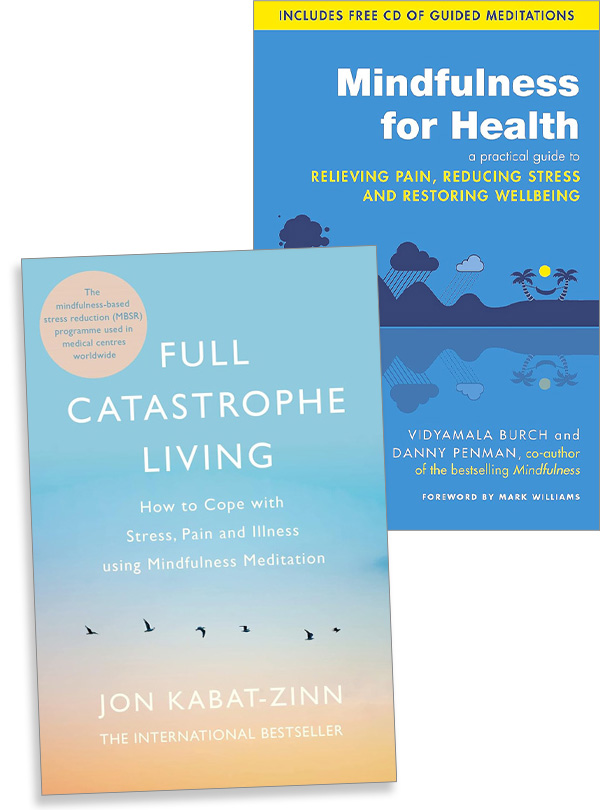
Jon Kabat-Zinn’s Full Catastrophe Living is the programme itself in book form – written to capture the eight weeks as his patients lived them, and still the standard text for anyone taking or teaching the course.
Vidyamala Burch and Danny Penman’s Mindfulness for Health is a UK take on the same eight-week approach, adapted for pain and illness. Burch developed it to cope with her own spinal injury, and it won the British Medical Association’s popular medicine book award in 2014.