

Bookshelf: A > E
Book links on this page go to Amazon. If you buy through them, it costs you nothing extra and gives a small amount back to support this site. If you’d rather not use Amazon, Bookshop.org sells the same titles and splits its profits with independent bookshops instead.
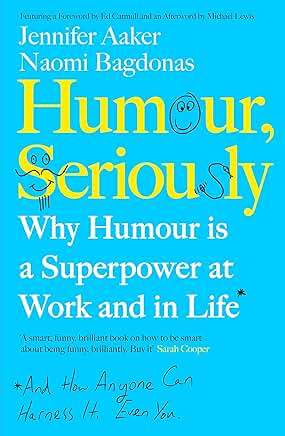
Humour, Seriously
By Jennifer Aaker and Naomi Bagdonas
A research-backed, practical case for humour as a tool for connection and resilience, drawn from the authors’ popular Stanford Business School course.
Recommended on: Humour and laughter
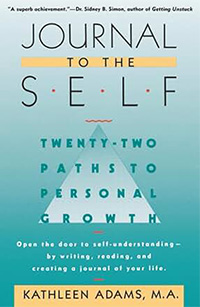
Journal to the Self
By Kathleen Adams
A wider exploration of journalling techniques beyond the structured Pennebaker protocol – a long-standing classic in journal therapy.
Recommended on: Journalling & writing

A Biography of Loneliness
By Fay Bound Alberti
A historian’s account of loneliness as a modern emotional category, tracing how it took shape from the eighteenth century to today.
Recommended on: Loneliness
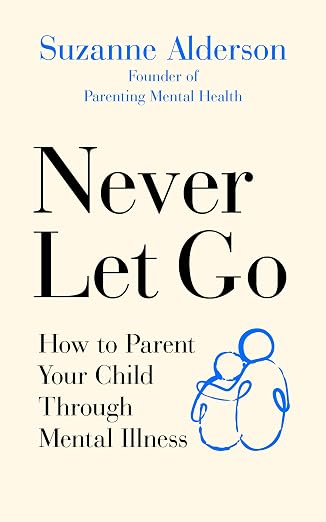
Never Let Go
By Suzanne Alderson
A UK parent’s account of her son’s mental health crisis, written to help other families recognise what’s happening and stay connected through it.
Recommended on: Supporting a child or teenager

I Am Not Sick, I Don’t Need Help!
By Xavier Amador
A psychologist’s practical method (LEAP) for reaching someone who won’t accept they need help, developed through his own family’s experience with schizophrenia.
Recommended on: When someone refuses help
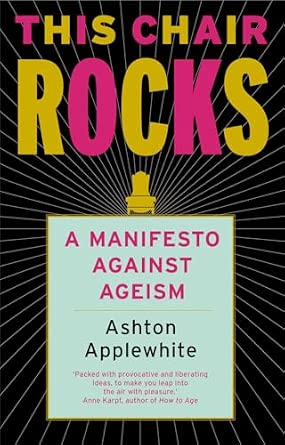
This Chair Rocks
By Ashton Applewhite
A widely cited manifesto against ageism, tracing where negative beliefs about growing old actually come from and the real damage they do to the people who internalise them.
Recommended on: The body changing with age

Meditations
By Marcus Aurelius
A Roman emperor’s private notes to himself, never written for an audience. The gentlest doorway into Stoic practice – a man working the discipline out in real time, not explaining it to anyone.
Recommended on: Stoic practice
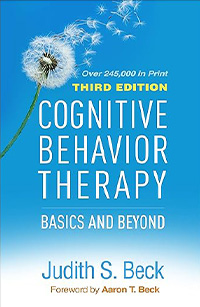
Cognitive Behavior Therapy: Basics and Beyond
By Judith Beck
The standard clinical text, from the Beck Institute her father, Aaron Beck, founded – more detailed and structured than a general reader’s introduction.
Recommended on: CBT method
The Middlepause: On Turning Fifty
By Marina Benjamin
A candid, unsentimental memoir of one particular milestone, written by a British author unafraid to sit with its more complicated feelings.
Recommended on: Milestone birthdays
How to Be Sick
By Toni Bernhard
A practical, unsentimental guide to the actual daily experience of illness, written by a law professor after her own sudden diagnosis left her chronically ill.
Recommended on: A serious diagnosis
The Novel Cure
By Ella Berthoud & Susan Elderkin
A playful, A-Z guide to prescribing novels for whatever ails you – bibliotherapy in practice, with a light touch.
Recommended on: Reading
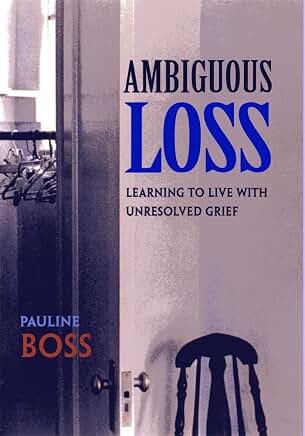
Ambiguous Loss
By Pauline Boss
A clinical psychologist’s account of grief that has no clear ending, drawn from decades of work with families of the missing, and families living with dementia and addiction.
Recommended on: Grieving what hasn’t ended
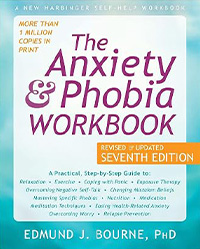
The Anxiety and Phobia Workbook
By Edmund Bourne
A practical, exercise-based workbook that includes grounding alongside the wider set of tools it sits within – long-standing, widely used, and squarely aimed at practice over theory.
Recommended on: Grounding techniques
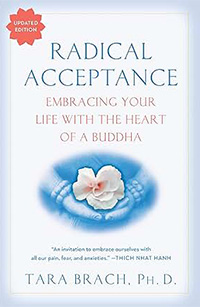
Radical Acceptance
By Tara Brach
One of the best-known voices in guided practice. The book pairs its central teaching – meeting difficult feelings with acceptance rather than resistance – with guided meditations readers can follow along with directly.
Recommended on: Guided meditation
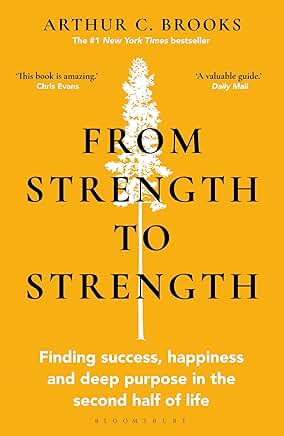
From Strength to Strength
By Arthur C. Brooks
A Harvard professor’s research-backed case for building identity and purpose around something other than professional achievement, written after confronting his own fear of decline.
Recommended on: Retirement and identity loss
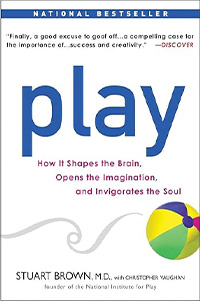
Play: How It Shapes the Brain, Opens the Imagination, and Invigorates the Soul
By Stuart Brown
The research described above, drawn from thousands of life histories, by the psychiatrist who founded the National Institute for Play.
Recommended on: Play
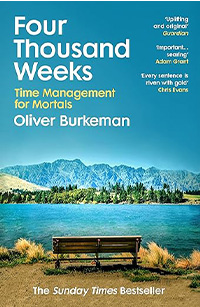
Four Thousand Weeks
By Oliver Burkeman
Takes mortality as its starting point for rethinking how time is actually spent – a contemporary, widely admired take on the same territory.
Recommended on: Facing death
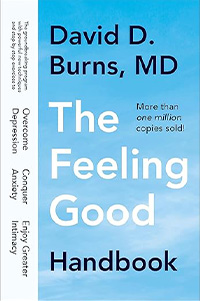
Feeling Good: The New Mood Therapy
By David Burns
The classic, hugely popular CBT self-help book, and still one of the clearest introductions to the method available.
Recommended on: CBT method
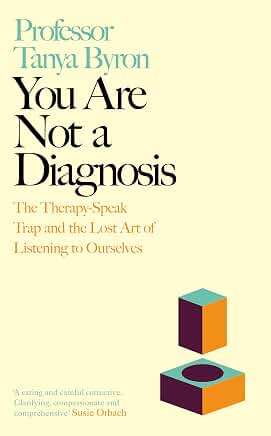
You Are Not a Diagnosis
By Tanya Byron
A clinical psychologist’s case against therapy-speak — arguing that ordinary sadness, stress and grief are being renamed as disorders, drawn from her own misread grief.
Recommended on: This is grief
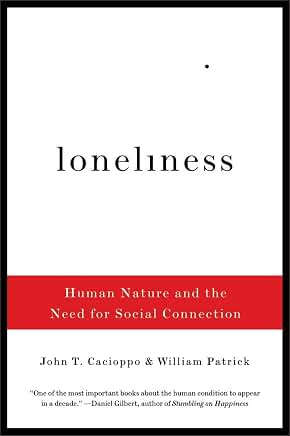
Loneliness
By John Cacioppo and William Patrick
A social neuroscientist’s account of what chronic loneliness actually does to the mind and body, drawing on decades of research into isolation and its effects.
Recommended on: Alone inside a relationship
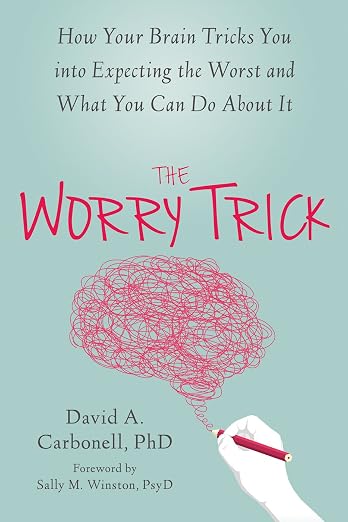
The Worry Trick
By David A. Carbonell
Names the exact trick this page is about – how the mind convinces itself of danger that isn’t there, and how to stop getting caught by it.
Recommended on: Catastrophising
What Doesn’t Kill Us
By Scott Carney
A journalist’s own sceptical, first-hand investigation into Wim Hof and his method – part memoir, part science journalism, neither dismissive nor a convert’s account.
Recommended on: Breathing practices
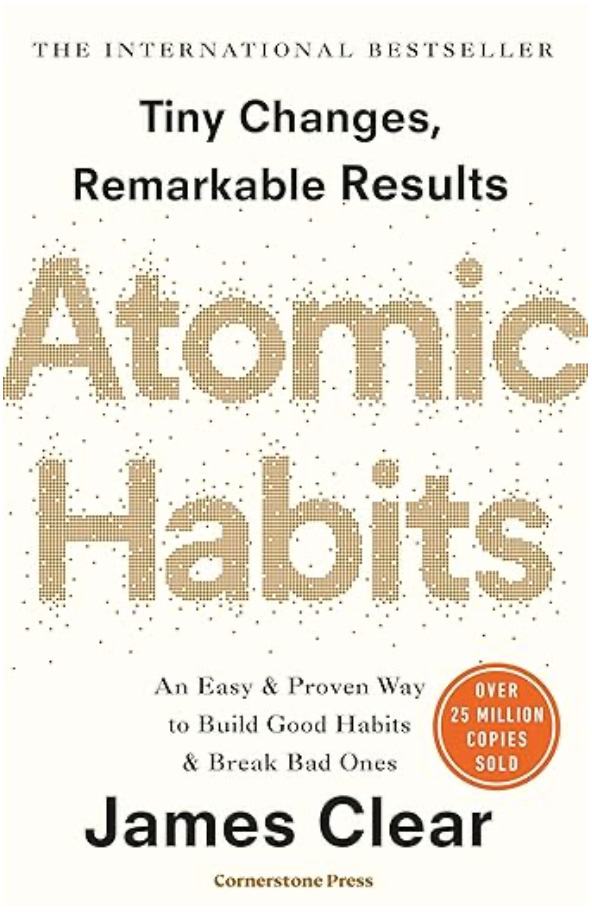
Atomic Habits
By James Clear
By far the most widely read book on building small, lasting routines – practical and immensely popular for good reason.
Recommended on: Daily structure
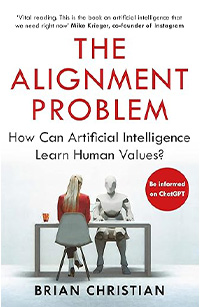
The Alignment Problem
By Brian Christian
A wider look at the question of building AI systems that actually serve human wellbeing, rather than merely appearing to.
Recommended on: AI-guided therapy
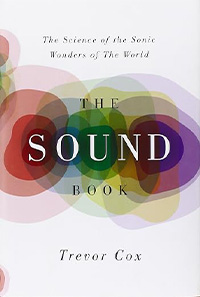
The Sound Book
By Trevor Cox
An engaging tour of the science of sound more broadly, from a UK acoustic engineer.
Recommended on: Ambient sounds
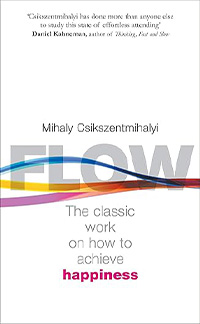
Flow: The Psychology of Optimal Experience
By Mihaly Csikszentmihalyi
The definitive account, from the psychologist who named the state and spent decades studying it.
Recommended on: Flow states
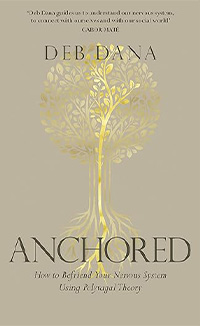
Anchored
By Deb Dana
A practical guide to working with the nervous system directly, built around the same body-first principle as this page.
Recommended on: Somatic techniques
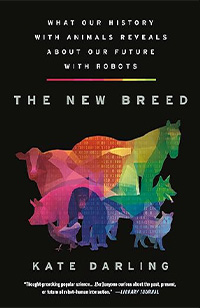
The New Breed
By Kate Darling
A more measured, less alarmed view of attachments to machines, drawing on our long history with animals.
Recommended on: AI companions
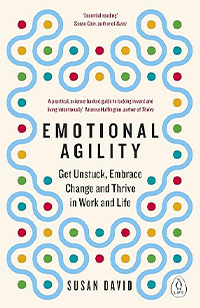
Emotional Agility
By Susan David
A more research-grounded approach to the same territory, from a Harvard psychologist.
Recommended on: Letting go
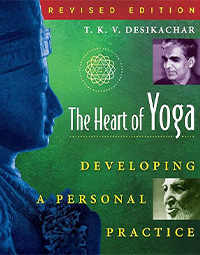
The Heart of Yoga
By T.K.V. Desikachar
From one of the most respected teachers of the modern era – an approach built around adapting the practice to the person, rather than the person to the practice.
Recommended on: Yoga
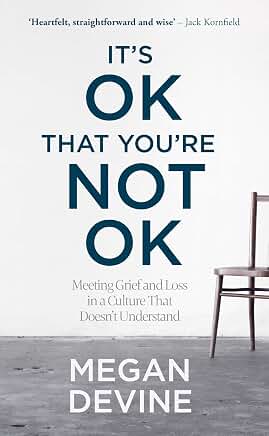
It’s OK That You’re Not OK
By Megan Devine
A clear rejection of the idea that grief follows fixed stages or a fixed timeline, written by a psychotherapist whose own partner died suddenly.
Recommended on: Grief that comes in waves
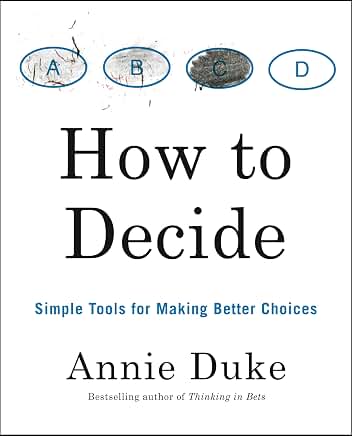
How to Decide
By Annie Duke
A former professional poker player’s practical toolkit for making better decisions under real uncertainty, rather than waiting for certainty that isn’t coming.
Recommended on: Decision paralysis
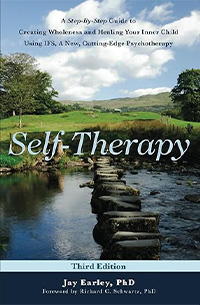
Self-Therapy
By Jay Earley
A practical, step-by-step workbook for going further with IFS than the short practice above – more exercise than theory.
Recommended on: Working with your parts
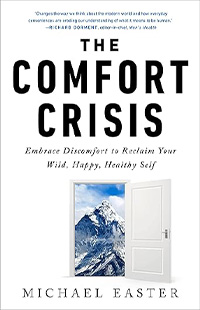
The Comfort Crisis
By Michael Easter
An argument for deliberately seeking out discomfort and hardship, built around the same tolerance mechanism this page describes – a nervous system too used to ease loses its resilience.
Recommended on: Physical exertion
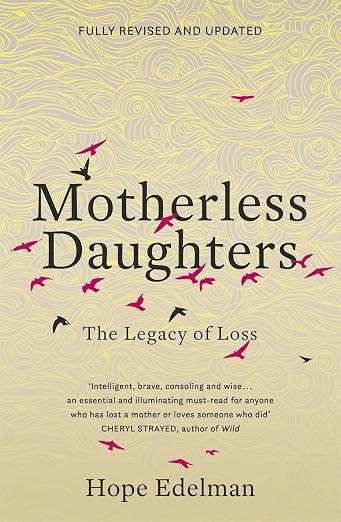
Motherless Daughters
By Hope Edelman
Names the lasting, identity-level effects of losing a parent, and why the loss keeps resurfacing at new life stages.
Recommended on: Losing a parent
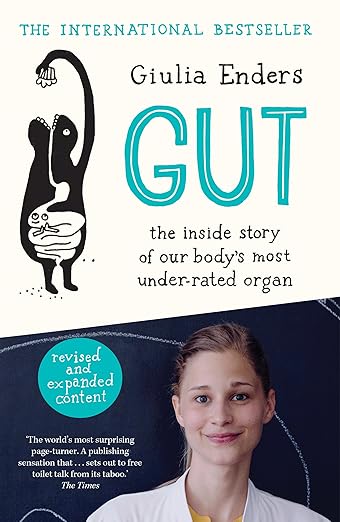
Gut
By Giulia Enders
A hugely popular, accessible tour of the digestive system more broadly, translated into dozens of languages.
Recommended on: Diet & the gut