

Hearing that you have a serious illness can be hard to take in. You may leave the appointment remembering a few words clearly, while struggling to recall what was said about treatment or what happens next.
You might feel frightened, upset, numb or unsure what to ask. If you’ve spent a long time seeking answers, there may also be some relief at finally knowing more. Your feelings may change as you take in the news.
You don’t have to understand everything in the first conversation. You can ask for an explanation again, write down questions afterwards or ask someone you trust to come to another appointment.
Alongside questions about the illness, you may be thinking about work, money, family or plans you’d made. Some decisions may need prompt attention; others can wait until you know more about your circumstances and the care being offered.
Start with the next step: what you need to do, who to contact with questions and where you can find support.
A few things to keep in mind…
- Suspecting the diagnosis doesn’t mean you’ll feel prepared. Hearing it confirmed may still be upsetting or difficult to believe. You don’t have to expect yourself to respond calmly because you knew it was a possibility.
- You can ask for information again. If you couldn’t take everything in, ask for a written summary or another explanation. You could say, “Could you explain that in everyday language?” or “What do I need to understand today?”
- Find out what happens next. Ask about the next appointment, any action you need to take and who to contact with questions. If you’re waiting for more results, ask when and how you should expect to receive them.
- You can tell people what kind of support you want. You might need someone to listen, help with a meal or come to an appointment. It’s reasonable to say, “I’m not ready for advice yet,” or to limit how widely you share the news.
- Support for how you’re feeling is part of your care. If worry, low mood or withdrawal is making daily life difficult, tell your care team or GP. Ask what emotional support is available; you don’t have to wait until you’re struggling badly.
Taking in the news
You may understand what the doctor has said and still find it hard to believe it applies to you. Questions can arrive later, once you’re home or trying to sleep: what treatment will involve, whether you can keep working or how to tell your family.
You can take the next practical step while still feeling upset or uncertain. You don’t have to come to terms with everything before asking questions or accepting help.
Some days you may want to know more; on others, you may need a break from thinking about the illness. Let your care team know if you’re finding the information difficult to follow or need help understanding a decision.
Things that may help
Keep questions in one place. Use a notebook or a note on your phone. Before an appointment, choose the questions that matter most to you. These might include what is known so far, what remains uncertain and what the next step involves.
Ask someone to come with you if you’d like. A trusted person can help remember what was said, take notes with your agreement or remind you of a question. You can tell them beforehand whether you want them to speak or mainly listen.
If something sounds unclear or frightening, ask what it means in your particular situation. Information about an illness in general may not tell you what to expect yourself.
Be selective about online information. Ask your care team for reliable websites or a relevant patient organisation. If searching is leaving you more confused, note the question you’re trying to answer and bring it to someone involved in your care.
Choose how to share the news. You may want to tell a few people first, or ask someone to update others with your permission. A message such as “I’ve had a diagnosis and am still finding out what it means. I’ll share more when I’m ready” can give you some space.
Ask for help with ordinary tasks. Shopping, transport, childcare or a meal may be more useful than general offers of help. Choose one thing that would make the coming days easier and ask someone you trust.
Making room for support
You don’t have to keep every conversation focused on the illness. You may want company, familiar activities or time when you can talk about something else. Tell people what suits you, and allow yourself to change your mind.
Support can include both help with your care and space to talk about what the diagnosis means to you.
Ask your care team about a specialist nurse, counsellor, patient support service or relevant peer group. If worry or low mood is affecting your sleep or making daily life difficult, tell them or speak to your GP. You can seek support while tests, treatment or other decisions are still ongoing.
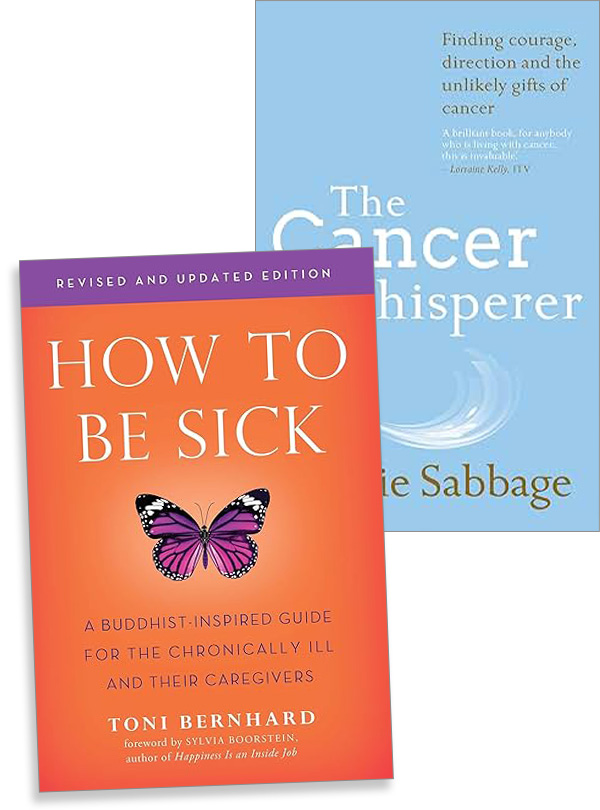
Recommended reading
If reading about illness feels helpful, these books offer personal perspectives on living with uncertainty and change. They aren’t guides to choosing medical treatment.
Toni Bernhard’s How to Be Sick draws on her experience of chronic illness and Buddhist-inspired practices. It considers frustration, changed expectations and relationships, and may interest you if you’d like to explore acceptance and self-compassion while living with illness.
Sophie Sabbage’s The Cancer Whisperer describes receiving a late-stage cancer diagnosis and responding to fear, anger and grief. It offers one person’s perspective on making sense of the experience, rather than a model for how you should feel or cope.