

You may have looked forward to retirement and still feel unsettled when work stops. The free time is welcome, but you might miss colleagues, familiar responsibilities or knowing where you’re needed each morning.
If work was a large part of your life, saying “I’m retired” may feel like an incomplete answer to “What do you do?” You still have your experience and abilities, but fewer everyday opportunities to use them or have them recognised.
Enjoying retirement and missing parts of working life can happen together. You don’t have to feel grateful for every empty afternoon just because you wanted more time to yourself.
How you came to retire matters too. You may have chosen the timing, or stopped because of illness, caring responsibilities or changes at work. There may be money worries or plans that no longer fit your circumstances.
You don’t need to decide straight away what will take work’s place. Start by noticing what you enjoy about retirement and what you’re missing.
A few things to keep in mind…
- Notice which parts of work you miss. It might be the work itself, solving problems, seeing colleagues or having a regular routine. Knowing what mattered can help you choose what you’d like more of now.
- Your skills haven’t disappeared with the role. You may want to use them in a different setting, or enjoy time away from them. You don’t have to turn your experience into another commitment to show that it still matters.
- Work friendships may need more deliberate contact. Without shared breaks or daily conversations, staying in touch can take planning. You could suggest a regular coffee or call with someone whose company you’d like to keep.
- You can enjoy the freedom and still feel a loss. Missing parts of working life doesn’t mean retirement was a mistake. You may want more shape or company in your week without wanting your old job back.
- You don’t need a full timetable straight away. Try one or two activities before making lasting commitments. Leave room to discover what you enjoy, what feels manageable and how much unplanned time suits you.
Finding a different rhythm
Work may have organised your week without you having to think about it. Retirement leaves more decisions open: when to get up, who to see and what to do with the afternoon. That freedom may feel enjoyable on some days and difficult on others.
You don’t have to replace your working week with an equally busy one. The aim is to find a mix of activity, company and rest that suits your life now.
If you live with someone, your new routine may affect theirs too. You might want more time together while they’re used to having part of the day alone. Talking about shared plans, household tasks and time apart can help you avoid relying on assumptions.
Things that may help
Give the week a few regular points. A walk on certain mornings, a weekly class or a regular call can provide some shape. Start with arrangements you can manage and leave space between them.
Try an interest before making it a commitment. Attend an introductory session, borrow equipment or join a short course. Something that sounded appealing while you were working may turn out not to suit you, and you can try something else.
You’re allowed to enjoy being a beginner, or to do something simply because it interests you. It doesn’t have to become a new role or something you’re especially good at.
Decide whether you want to keep a connection with your work. Mentoring, occasional paid work or volunteering may appeal if you miss using particular skills. Check the time and responsibilities involved before agreeing. You can also choose a complete break from your former field.
Make room for regular company. If you miss seeing familiar faces, look for an activity where you’ll meet the same people again. Contact former colleagues you want to keep in your life, while giving yourself opportunities to meet people outside work.
Take practical concerns seriously. Money, health, transport or caring responsibilities may limit what you can do. Look for advice or accessible options that fit those circumstances, rather than measuring your retirement against someone else’s travel plans or busy diary.
When you’re not feeling settled
You may need to change your plans as you find out what suits you. If the week feels empty, add one manageable arrangement. If you’ve taken on too much, consider what you can reduce.
You don’t need to give yourself a new title or have a polished answer about what retirement is for. It’s enough to begin with things you want or need in your life.
If you’re feeling persistently low, withdrawing from people or finding everyday life difficult to manage, speak to your GP rather than assuming you have to wait for the adjustment to pass. NHS Talking Therapies may help with anxiety or depression; in England, you can refer yourself without going through your GP. If you need urgent mental health support, the Support directory has crisis contacts.
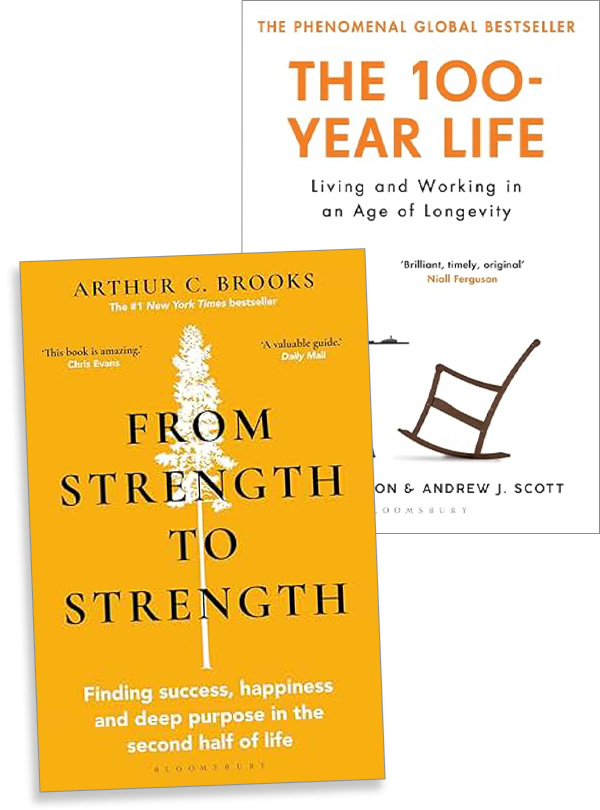
Recommended reading
If you’d like to think more broadly about life after work, these books consider purpose, relationships and changing priorities in later life.
Arthur Brooks’s From Strength to Strength explores finding meaning beyond professional achievement. It may interest you if work and being good at it have been central to how you see yourself. Its focus extends beyond retirement to changes across the second half of life.
Lynda Gratton and Andrew Scott’s The 100-Year Life considers how longer lives may change the way we approach work, learning, money and relationships. It offers a wider perspective on planning for different stages of life, rather than a guide specifically to settling into retirement.