
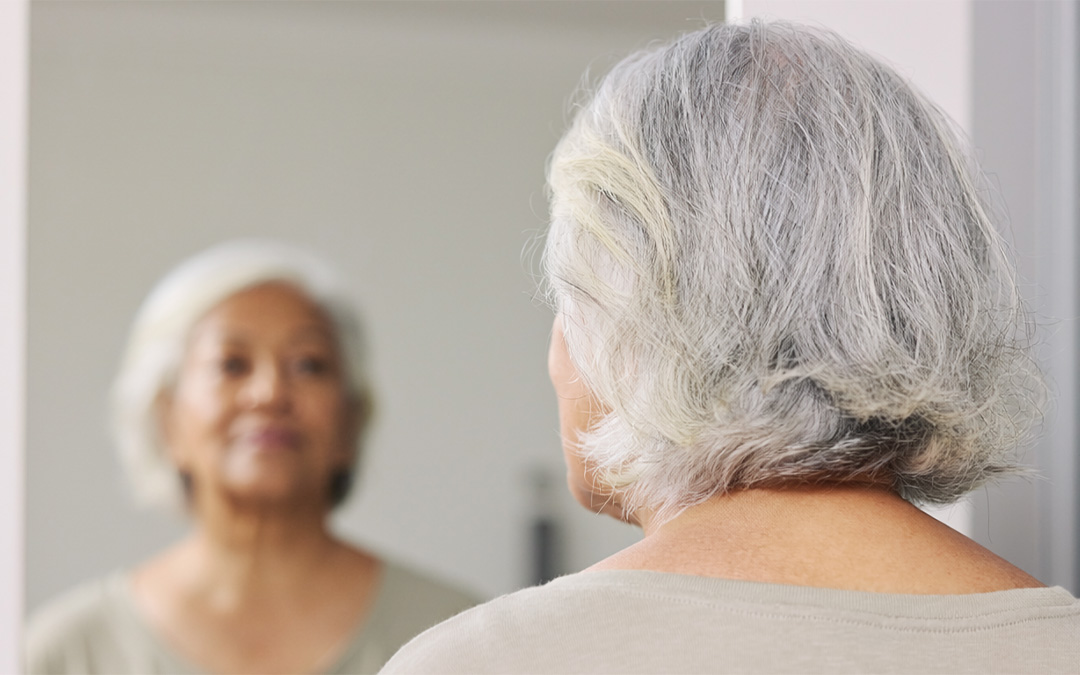
You may notice changes in a photograph, in how your clothes fit or when something you used to do easily takes more effort. Even when you expect your body to change with age, a particular change can catch you off guard.
You might feel much the same inside while looking different, or find that your energy and abilities have changed more than your appearance. What matters to you may be less about looking younger than about feeling comfortable, independent or able to do things you enjoy.
You can appreciate your body and still feel upset about a change. You don’t have to dismiss those feelings as vanity or pretend every part of getting older is easy.
Changes happen differently for different people. Illness, injury and other circumstances can play a part too. If a symptom is new, persistent or worrying, seek medical advice rather than assuming it’s simply your age.
A few things to keep in mind…
- Notice what the change means to you. You may be concerned about appearance, comfort, independence or an activity you enjoy. Naming the concern can help you decide whether you want practical advice, medical help or someone to talk to.
- You don’t have to feel a particular age. Some days you may feel much as you always have; on others, a change may be noticeable. There’s no requirement to make your interests, clothes or plans fit someone else’s idea of your age.
- Adapting an activity can help you keep enjoying it. A shorter route, different equipment or more breaks may make something manageable. You can change how you do it without treating that as a failure.
- Other people’s assumptions aren’t an assessment of your abilities. If someone talks past you or offers help you don’t want, you can say what you need. “Please ask me directly” or “I’ll let you know if I need a hand” may be enough.
- A new symptom deserves attention. Pain, unusual tiredness or changes in mobility shouldn’t automatically be put down to getting older. Speak to your GP if something is new, persistent or concerning, and explain how it affects your daily life.
When a change affects how you see yourself
A physical change may matter because of what it interrupts. You might miss walking without planning where to rest, recognise less of yourself in photographs or feel frustrated when someone assumes you can’t manage something.
You don’t have to feel younger than your age, or be cheerful about every change. What matters is understanding what’s difficult for you and what might help.
Messages about ageing can add pressure: to hide the signs, stay endlessly active or accept limitations without question. None tells you much about your own health, abilities or preferences.
Things that may help
Describe the difficulty without judging yourself. “My knees hurt on the stairs” gives you something specific to ask about. “I’m falling apart” may express your frustration, but doesn’t help you identify what support or treatment you need.
Look for ways to keep doing what matters. If an activity has become harder, consider which part you most enjoy. You might choose a shorter outing, somewhere with seating or equipment that makes the task easier. Ask for advice if you’re unsure what’s suitable for you.
You can take a change seriously without deciding that everything you enjoy is now out of reach.
Make room for how you feel about your appearance. You may want to change your clothes, hair or skincare, or leave things as they are. Choose what feels comfortable to you rather than treating looking younger as something you owe other people.
Question a broad age-based conclusion. If you catch yourself thinking “I’m too old to join”, ask what the actual obstacle is. It might be accessibility, cost, confidence or a health concern. A specific difficulty may have options that the general statement overlooks.
Be clear about the help you want. You can appreciate an offer and still prefer to do something yourself. Equally, accepting help with one task doesn’t mean giving up control over the rest of your day.
Finding support
If a physical change is affecting daily life, speak to your GP about it. Explain what has changed, when it began and what you’re finding difficult. You don’t have to decide for yourself whether age is the cause before asking.
Practical support and space to talk about your feelings can both matter. You don’t have to choose between attending to your body and acknowledging that the change has upset you.
If low mood or anxiety is lasting or making everyday life difficult, tell your GP. NHS Talking Therapies may help with anxiety or depression; in England, you can refer yourself without going through your GP. If you need urgent mental health support, the Support directory has crisis contacts.
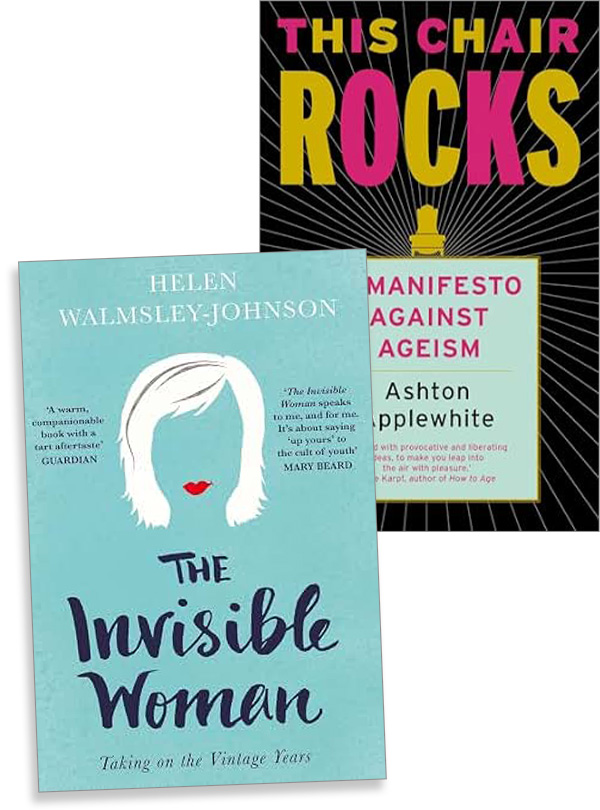
Recommended reading
Helen Walmsley-Johnson’s The Invisible Woman looks at getting older from a woman’s perspective, covering appearance, relationships, work and the experience of being overlooked. Its humour may appeal if you want something personal rather than a guide to managing physical changes.
Ashton Applewhite’s This Chair Rocks examines ageism: the assumptions about older people that shape everyday life, work and how we see ourselves. It offers ways to recognise and challenge those assumptions, including ones you may have absorbed about your own age.