

You can miss someone deeply while they’re still alive. Dementia may change the conversations you can have. Addiction may make it hard to stay close. An estrangement may leave you wondering whether you’ll speak again.
You may miss everyday things: asking their advice, sharing a joke or knowing you can call them. Other people may not recognise this as grief, especially if they still see the person or hope the relationship will improve.
This is sometimes called ambiguous loss: a loss with uncertainty about what remains or what might happen next. The person may be physically present but less able to connect with you, or absent from your life while still very much in your thoughts.
You may feel sadness alongside love, frustration or hope. Missing the relationship you had doesn’t mean you’ve stopped caring about the person as they are now.
This can overlap with anticipatory grief — grieving a loss you expect in the future. Here, the focus is on what has already changed, even when you don’t know what comes next.
A few things to keep in mind…
- There may be no shared way to mark the loss. Without a funeral or another occasion to bring people together, you may find yourself carrying feelings that others haven’t noticed. You can still ask for time, company or someone to listen.
- You can hope for change and miss what you’ve lost. Wanting treatment to help, or hoping you’ll speak again, doesn’t remove the sadness about how things are now. You don’t have to choose between hope and grief.
- Further changes can bring fresh sadness. A conversation that’s no longer possible, another relapse or an unanswered message may hurt in a different way. Something you’d begun to manage can become difficult again.
- Other people may need help understanding. They might offer solutions when you want to talk about what you miss. You could say, “I know we can’t sort this out today. I’d just like you to listen.”
- Your own needs still matter. Keeping some time for friends, rest or things you enjoy doesn’t mean you care any less. If you’re struggling to manage everyday life, you can speak to your GP or seek support for yourself.
Living with uncertainty
You may not know what to expect from one visit or phone call to the next. There might be a moment of closeness, followed by a conversation that leaves you upset. If you’re estranged, you may keep wondering whether to make contact or wait for the other person.
It can be tiring to keep making decisions when so much is uncertain. You may need to work out what’s manageable now, without knowing how things will be in six months.
These situations are different. Dementia may change how you spend time together; addiction may bring concerns about safety and trust; estrangement may mean deciding whether contact is welcome or safe. What helps will depend on your circumstances.
Things that may help
Be specific about what you miss. You might miss talking freely, making plans together or feeling able to rely on someone. Writing this down or telling a trusted person can help you explain what’s difficult, without having to describe the whole situation.
Make plans you can review. Rather than deciding how you’ll handle everything from now on, consider the next visit, call or family occasion. You might arrange a shorter visit, ask someone to come with you or decide to leave a message unanswered for now.
Caring about someone doesn’t mean every kind of contact is good for you. You can set limits on what you’re able to offer, particularly if contact leaves you frightened, pressured or exhausted.
Look for support that understands the situation. A dementia carers’ group, support for families affected by addiction or a counsellor familiar with estrangement may give you space to talk without having to explain everything from the beginning.
Choose a personal way to acknowledge what has changed. You could write about a memory, keep a photograph nearby or talk with someone who remembers the relationship as it was. If this feels painful or unhelpful, you don’t have to do it.
Making room for your own life
It may feel difficult to make plans for yourself while someone else’s future is uncertain. Start with something modest: seeing a friend, returning to an activity you miss or arranging time away from caring responsibilities where possible.
You don’t have to wait for the situation to be settled before allowing yourself rest, company or something to look forward to.
If you’re finding everyday life difficult to manage, or are worried about how you’re feeling, speak to your GP. You can ask for help with your own wellbeing while the situation is still ongoing.
Recommended reading
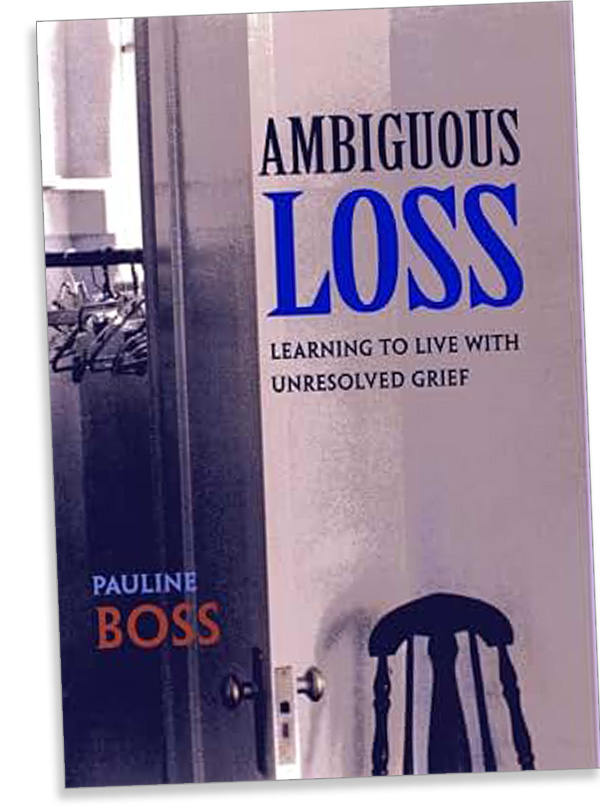
If you’d like to read more about loss without a clear ending, Pauline Boss’s Ambiguous Loss explores the uncertainty families can face when someone is missing or when illness changes their ability to connect.
Drawing on her work as a family therapist and researcher, Boss considers how people can make room for their own lives while important questions remain unanswered.