
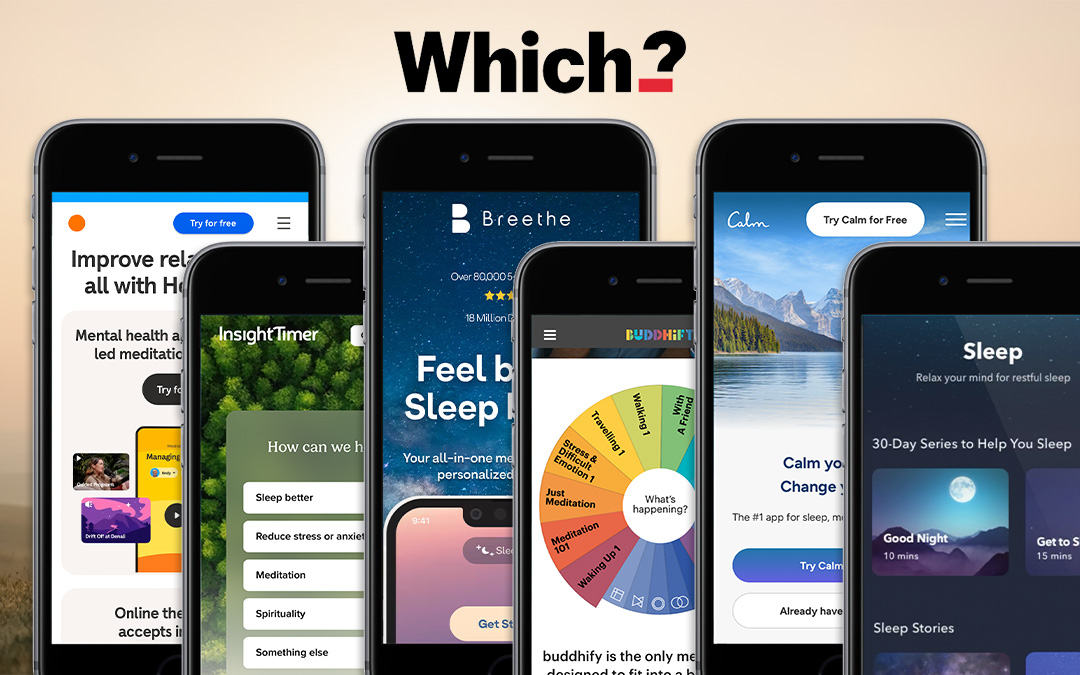
Meditation apps are no longer a niche choice – there are dozens of them, and most people who try one get something real out of it. The harder question is which one actually suits you, and what it costs to find out.
Which? is the UK’s independent consumer champion – funded by its members rather than advertising, so it has no stake in which app you choose. It recently compared six of the best-known names – Headspace, Calm, Insight Timer, Simple Habit, Buddhify and Breethe – on price, features and who they’re built for.
Their conclusion was refreshingly honest: there’s no single winner. It comes down to whether you like the voice, the style, and whether the price fits your budget.
That’s a useful starting point, but a comparison built for a general audience doesn’t always translate into a quick decision. Here’s the same ground, distilled into what each app is actually best at, and what it’ll cost you to find out.
- Headspace – best for complete beginners. Animated, structured courses that hold your hand from day one, plus family plans. The full library sits behind a subscription running £24–£90 a year.
- Calm – best for sleep. A huge library of sleep stories, several read by well-known narrators, and probably the most recognisable name in the category. Annual billing only – no monthly option if you just want to try it.
- Insight Timer – best free option. The largest free meditation library of any app here, with thousands of sessions at no cost. Its structured courses and named teachers sit behind a separate paid tier.
- Simple Habit – best if you’re short on time. Sessions start at five minutes, built for people who won’t commit to a twenty-minute practice. Smaller and less varied than the bigger names once you’ve worked through the basics.
- Buddhify – best value. A one-off purchase from £2.99 rather than a subscription – no recurring cost at all. Less polished, and a smaller content library than its subscription-based rivals.
- Breethe – best for fitting around your day. Suggests sessions based on what you’re doing – commuting, working, winding down. Less well known, so there’s a smaller body of reviews to judge it by.
What actually matters when you’re choosing
Which?’s own researchers put it well: consistency mattered more than which app they picked.
One researcher found real, sustained benefit from Calm’s anxiety course over five years of regular use. Another found the gamified streaks and badges added stress rather than motivation, and did just as well with free podcasts.
Most people who try meditation find it helpful. But it’s also true that a small minority of people – around one in ten, by the best current estimates – find that meditation makes things harder rather than easier, at least for a while.
If that’s new to you, The dark side of meditation covers the research behind it, and Waking up reviewed looks at how one app in particular has responded to it. Neither is a reason to avoid meditation altogether – just useful context if something about it isn’t sitting right.
For almost everyone else, the practical advice is the same as Which?’s: most of these apps offer a free trial. Try two or three before paying for a year up front, and pick the one whose voice you don’t mind hearing every day – that turns out to matter more than any feature list.
Sources: Which?, “Mindfulness apps compared: features, costs and what to expect,” accessed September 2026.