
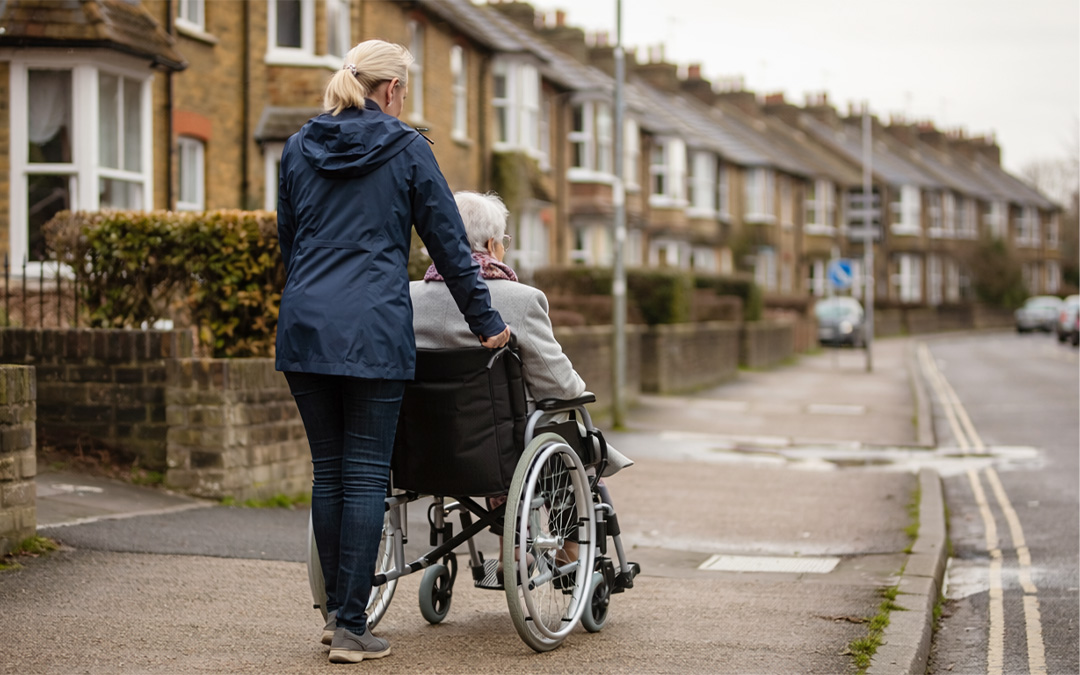
Nobody hands you a title when you become a carer. It arrives through a hundred small adjustments – appointments booked, medication tracked, weekends quietly rearranged – long before you’d think to call yourself one.
Most carers don’t begin with a decision. They begin with doing one more thing than they did last week, then one more thing after that, until the shape of an entire life has changed around someone else’s needs without a single moment that felt like the start of it.
By the time the word “carer” actually fits, it can feel like it’s describing something that’s already been true for a long time – which is part of why so many people are well into the role before they ever use it about themselves.
The role rarely announces itself. It’s usually named by someone else, or by a form that needs filling in, long after it’s already been lived.
- It’s a role, not a diagnosis, but it can restructure everything. Days get organised around someone else’s needs so gradually that it’s easy not to notice how completely the shape of daily life has changed.
- The word “carer” often arrives late. Most people are already doing the work for months or years before anything makes them think to apply the label to themselves.
- Love and resentment can coexist without contradiction. Caring for someone you love doesn’t cancel out the exhaustion, the lost time, or the moments of wishing things were different – both are allowed to be true at once.
- Losing yourself in the role is a known risk, not a personal failing. Research on caregiving identifies the erosion of a carer’s own sense of self as a recognised part of the strain, not a sign of weakness or poor coping.
- It can tip into something more. Persistent exhaustion, resentment that won’t lift, or a sense of having disappeared into the role are worth acting on – NHS Talking Therapies (self-referral, no GP needed) is built for exactly this. If it feels more urgent than that, the Support directory has crisis contacts.
Why this happens
Caregiving research describes the strain as cumulative rather than sudden – primary demands from the caring itself, and secondary strains that spread outward into work, relationships, and a person’s own sense of who they are.
The self-erosion isn’t incidental to caring. It’s one of the most consistently documented parts of it – which is exactly why it deserves to be taken seriously, not brushed aside as an unfortunate side effect.
Part of why the identity shift goes unnoticed for so long is that “carer” was never a role most people chose or trained for. It’s simply what happens to the relationship you already had, one task at a time.
What actually helps
Using the word “carer” for yourself, even privately, tends to help more than it might seem like it should – it’s often the first step toward actually being able to ask for the support that exists for people who hold that role.
It also helps to keep something that belongs only to you, however small – a friendship, a habit, a version of yourself the caring role hasn’t absorbed. It doesn’t need to be large to matter.
It’s also worth knowing what you’re formally entitled to. A carer’s assessment is free, doesn’t depend on the person you care for having one, and can open up practical support – respite care, benefits, breaks – that most carers never think to ask for.
Where guilt turns up alongside frustration or resentment, it helps to remember that both can be true of the same relationship. Needing a break from someone doesn’t undo the care underneath it.
Worth knowing
Carers are consistently underrecognised, by services and often by themselves – so if support has felt hard to find, that’s a real gap, not something you’ve failed to look for hard enough.
Most carers only start identifying as one well after the role has already reshaped their daily life – so if the word still feels unfamiliar, that’s the norm, not a sign you’re not doing enough to deserve it.
Recommended reading
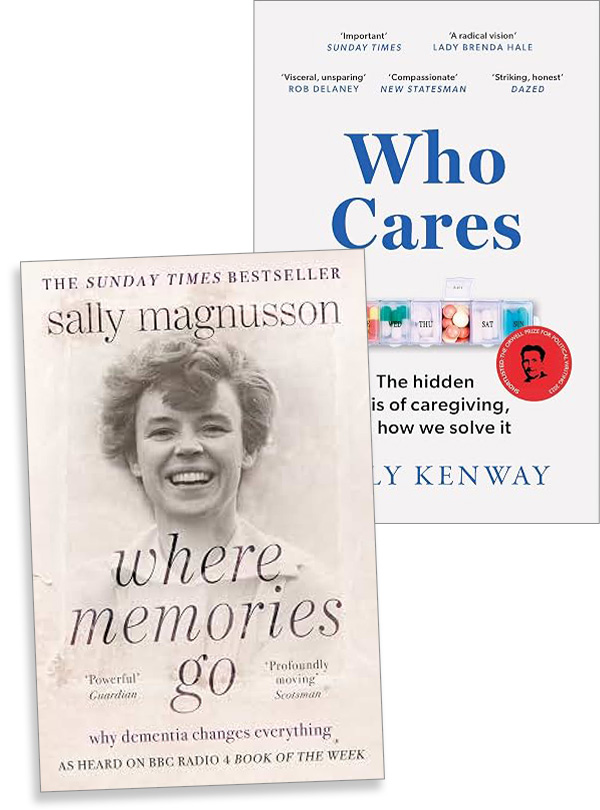
Sally Magnusson’s Where Memories Go is a British broadcaster’s account of caring for her mother through dementia – unsentimental about the exhaustion and the guilt, while never losing sight of why the caring happened in the first place.
Emily Kenway’s Who Cares takes the wider view – an Orwell Prize-finalist account, part memoir and part investigation, of exactly why carers go so unrecognised by the systems meant to support them.