

Bookshelf: M > R
Book links on this page go to Amazon. If you buy through them, it costs you nothing extra and gives a small amount back to support this site. If you’d rather not use Amazon, Bookshop.org sells the same titles and splits its profits with independent bookshops instead.
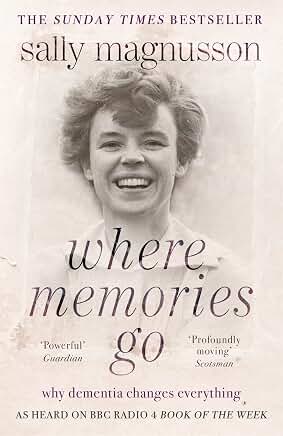
Where Memories Go
By Sally Magnusson
A Scottish broadcaster’s honest, unsentimental memoir of caring for her mother through dementia for eight years – the exhaustion and the love, given equal space.
Recommended on: Becoming a carer
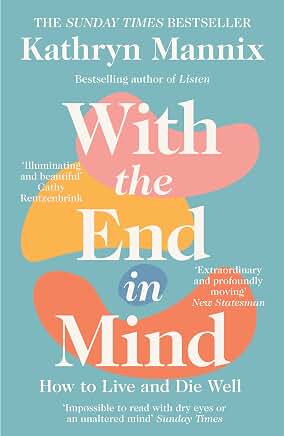
With the End in Mind
By Kathryn Mannix
A British palliative care doctor and CBT therapist’s account of thirty years spent caring for the dying, written to make the natural process of death less frightening for the people watching it happen.
Recommended on: Anticipatory grief
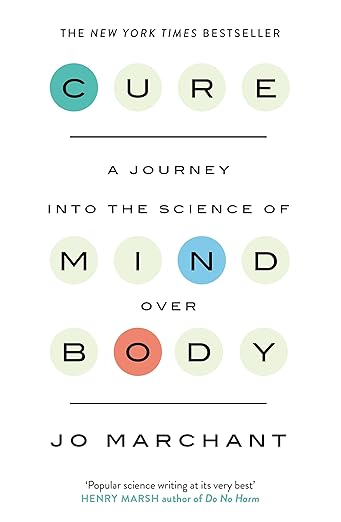
Cure
By Jo Marchant
A deeper dive into the research behind mind-body medicine, including the open-label placebo work described above.
Recommended on: The placebo effect
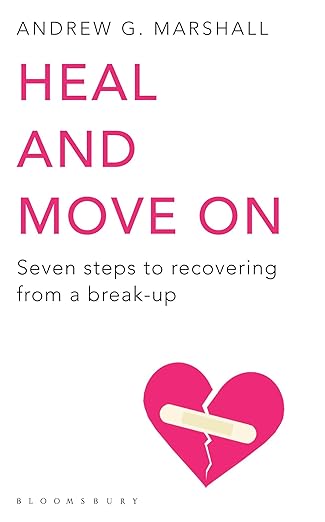
Heal and Move On: Seven Steps to Recovering from a Break-Up
By Andrew G. Marshall
Breaks the recovery process into concrete stages, drawing on the author’s three decades as a Relate-trained marital therapist – useful for anyone who wants a clearer sense of what comes next.
Recommended on: Divorce and separation
The Mind-Gut Connection
By Emeran Mayer
From a leading gastroenterologist and researcher in the field – the science behind this page, in full.
Recommended on: Diet & the gut
Menopausing
By Davina McCall & Dr Naomi Potter
A broadcaster’s candid account of her own rage, anxiety and mood swings during menopause, co-written with a menopause specialist GP for practical, evidence-based context.
Recommended on: Menopausal mood swings
Poverty Safari
By Darren McGarvey
A raw, first-hand account of growing up amid financial insecurity in Scotland, and what that does to a person’s sense of safety and self-worth over time.
Recommended on: Financial insecurity
The Humor Code
By Peter McGraw & Joel Warner
A different research angle, travelling the world to test a theory of what actually makes things funny.
Recommended on: Humour & laughter
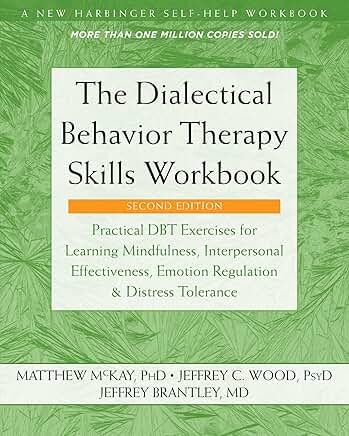
The Dialectical Behavior Therapy Skills Workbook
By Matthew McKay, Jeffrey Wood & Jeffrey Brantley
Practical and exercise-based, covering STOP alongside the wider set of DBT skills it belongs to – one of the most widely used DBT workbooks available.
Recommended on: The STOP technique
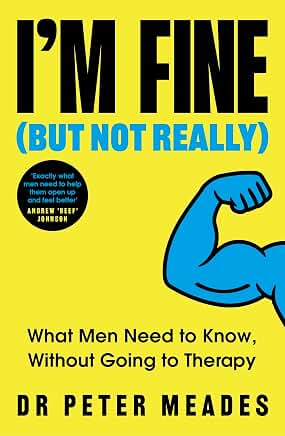
I’m Fine (But Not Really)
By Dr Peter Meades
A practical, no-nonsense guide for men who’ll never book a therapy session, from a psychotherapist with over 25 years in the NHS.
Recommended on: I’m Fine (But Not Really): a review
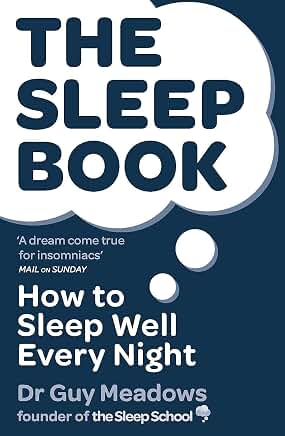
The Sleep Book
By Dr Guy Meadows
A British sleep physiologist and founder of The Sleep School’s five-week programme, using mindfulness and acceptance-based techniques to break the cycle of fearing sleeplessness itself.
Recommended on: Sleepless nights
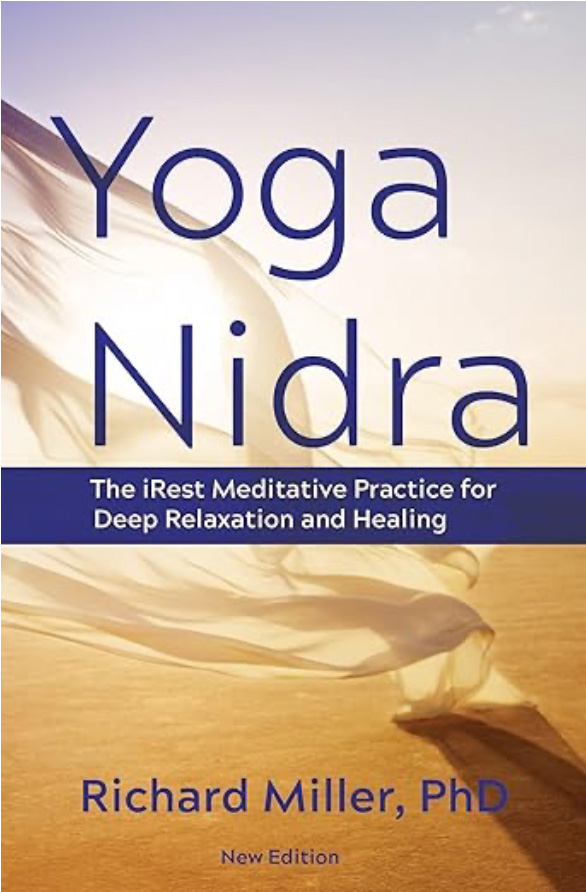
Yoga Nidra
By Richard Miller
The clinical originator’s own account of the practice NSDR is built on, drawing on decades of research with veterans, trauma survivors and chronic pain patients.
Recommended on: A closer look at NSDR
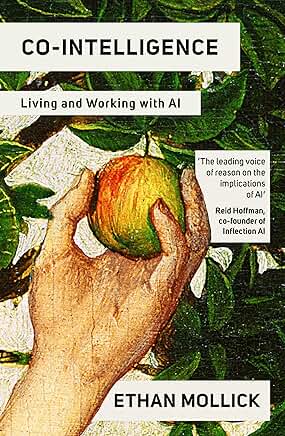
Co-Intelligence
By Ethan Mollick
Looks directly at using AI as a genuine thinking partner, in work and beyond, from a Wharton professor who studies this closely.
Recommended on: A thinking partner
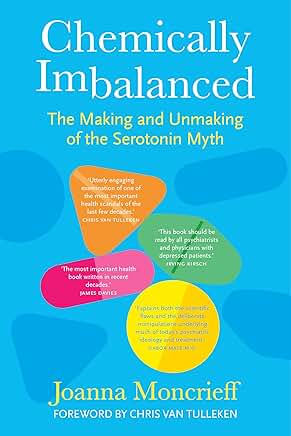
The Myth of the Chemical Cure
By Joanna Moncrieff
A more critical psychiatric perspective worth weighing alongside Kramer’s, from a UK psychiatrist and researcher.
Recommended on: SSRIs & anxiolytics
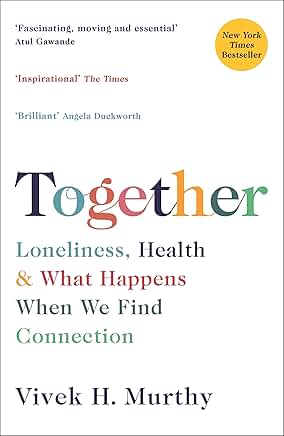
Together
By Vivek Murthy
From the former US Surgeon General, on the health cost of loneliness and the case for connection – a public-health perspective on a personal subject.
Recommended on: Close relationships
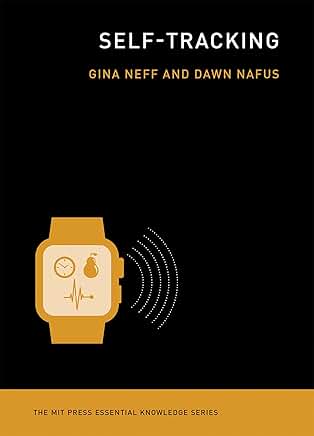
Self-Tracking
By Gina Neff & Dawn Nafus
A look at the wider culture of wearables and personal data, including where tracking genuinely helps and where it doesn’t.
Recommended on: Biofeedback
Self-Compassion
By Kristin Neff
The founding text on self-compassion, from the psychologist who defined and researched it, setting out the three-part model and the evidence behind it.
Recommended on: Self-compassion
Breath: The New Science of a Lost Art
By James Nestor
A highly readable tour through the history and science of breathing, and how much of what we assume about it turns out to be wrong. The book most responsible for breathwork’s current popularity.
Recommended on: Breathing practices
Digital Minimalism
By Cal Newport
Takes on the exact tension this page describes, between the device offering calm and the device causing the need for it.
Recommended on: Mindfulness apps
The Definitive Guide to the Perimenopause and Menopause
By Dr Louise Newson
A UK GP and menopause specialist’s comprehensive, evidence-based reference, including the hormonal basis of mood changes and the full range of treatment options for them.
Recommended on: Menopausal mood swings
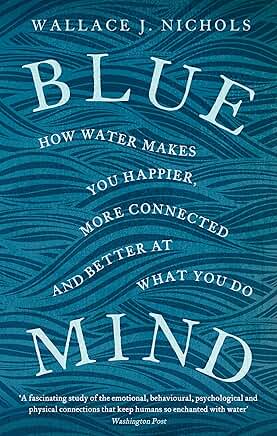
Blue Mind
By Wallace J. Nichols
The popular-science book named on this page, and the one that first brought this field wider attention – engaging, though some claims run ahead of the evidence.
Recommended on: Water: rivers & sea
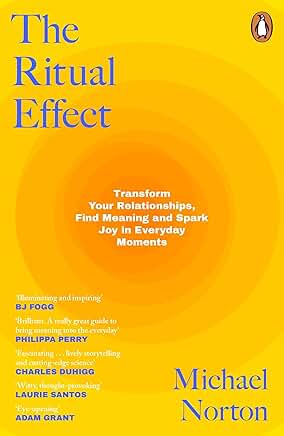
The Ritual Effect
By Michael Norton
A practical, behavioural-science approach from a Harvard researcher, on turning ordinary habits into something with more weight.
Recommended on: Personal rituals
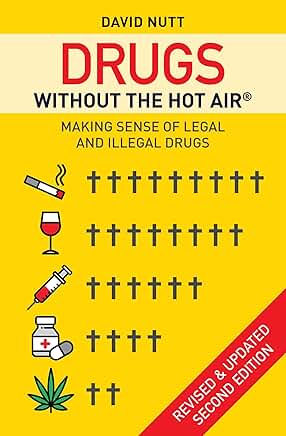
Drugs Without the Hot Air
By David Nutt
From a leading UK researcher and former government drugs advisor, built around evidence rather than advocacy.
Recommended on: Psychedelics
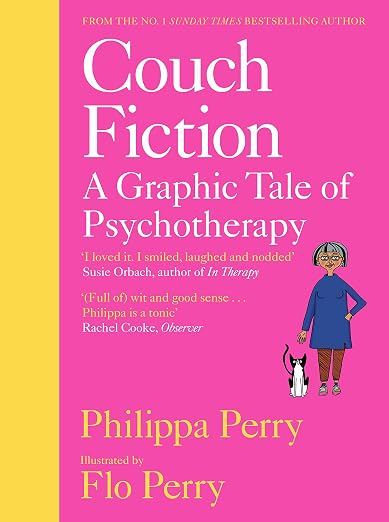
Couch Fiction
By Philippa Perry
A graphic novel by a UK psychotherapist depicting a full course of psychodynamic therapy panel by panel – a visual, accessible feel for what one approach is actually like in the room.
Recommended on: Understanding therapy options
How to Fund the Life You Want
By Robin Powell and Jonathan Hollow
An award-winning, jargon-free British guide to pensions, savings and investing, co-written by a former insider at the UK’s Money and Pensions Service.
Recommended on: Retirement money worry
Such Stuff as Dreams
By Keith Oatley
A deeper dive into the psychology of why fiction affects us the way it does, from a leading researcher in the field.
Recommended on: Reading
How to Do Nothing
By Jenny Odell
Takes on this exact idea directly, as a form of resistance to the attention economy – more cultural critique than self-help, but a natural pairing.
Recommended on: Unstructured rest

Made for Each Other
By Meg Daley Olmert
An accessible look at the biology behind the human-animal bond, drawing on neuroscience, evolutionary biology and archaeology.
Recommended on: Animals & pets
Rest: Why You Get More Done When You Work Less
By Alex Soojung-Kim Pang
An accessible, well-researched case for why deliberate rest makes us more productive, not less – directly relevant to the default mode network science above.
Recommended on: Unstructured rest
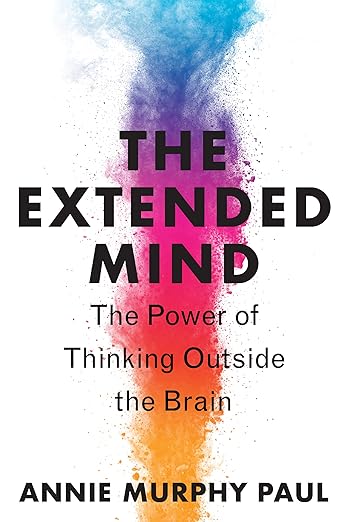
The Extended Mind
By Annie Murphy Paul
On how thinking has always happened partly outside the brain – in bodies, spaces and other minds – long before AI entered the picture.
Recommended on: A thinking partner
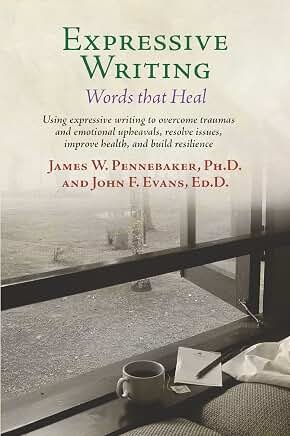
Expressive Writing: Words That Heal
By James Pennebaker & John Evans
The method described above, in full, from the psychologist who developed it – practical and workbook-like rather than academic.
Recommended on: Journalling & writing
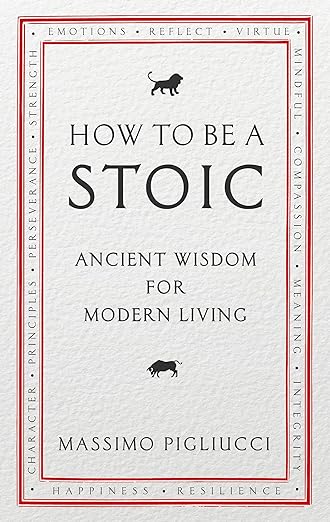
How to Be a Stoic
By Massimo Pigliucci
An accessible route into Stoic philosophy, written as an ongoing dialogue with Epictetus rather than a dry summary – by the philosopher behind the Big Think interview this book pairs with.
Recommended on: Stoicism: a modern view
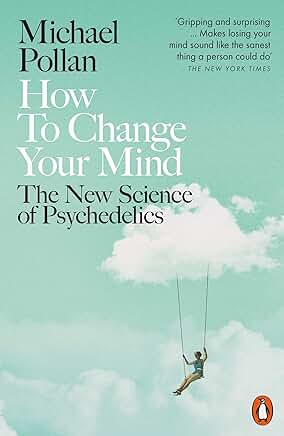
How to Change Your Mind
By Michael Pollan
The definitive, balanced, journalistic account of the psychedelic research renaissance and its history.
Recommended on: Psychedelics
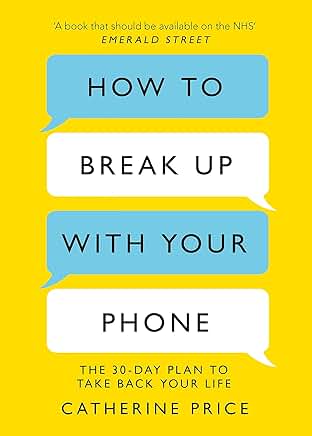
How to Break Up with Your Phone
By Catherine Price
A practical, evidence-based 30-day plan rather than a vague call to unplug, from an award-winning health and science journalist.
Recommended on: Digital detox & silence
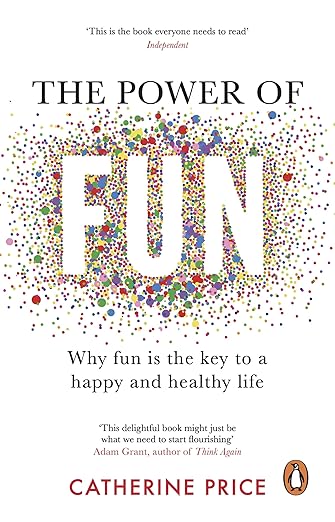
The Power of Fun
By Catherine Price
A practical, more everyday way into the same territory, distinguishing genuine fun from mere pleasure or distraction.
Recommended on: Play
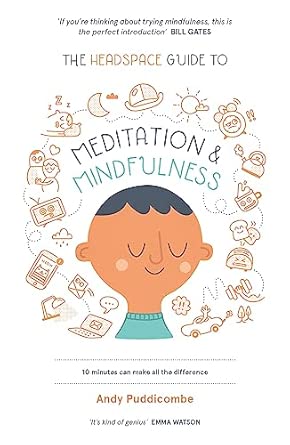
Get Some Headspace
By Andy Puddicombe
The book that preceded the app, from the former monk who founded Headspace and still voices most of its sessions.
Recommended on: Mindfulness apps
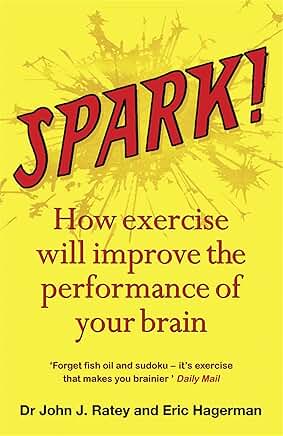
Spark: The Revolutionary New Science of Exercise and the Brain
By John Ratey
A psychiatrist’s accessible, well-evidenced case for exercise as one of the most powerful tools available for mental health – not just mood, but attention, memory and resilience too.
Recommended on: Physical exertion
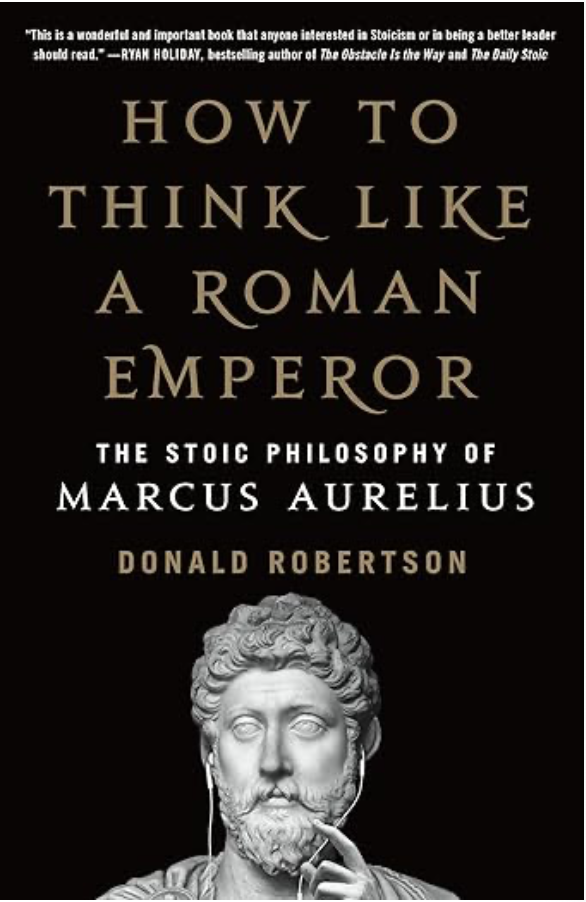
How to Think Like a Roman Emperor
By Donald Robertson
Traces Stoicism’s real link to cognitive behavioural therapy through Marcus Aurelius’s own life – written by a working CBT therapist, not just a classicist.
Recommended on: Stoicism: a modern view