
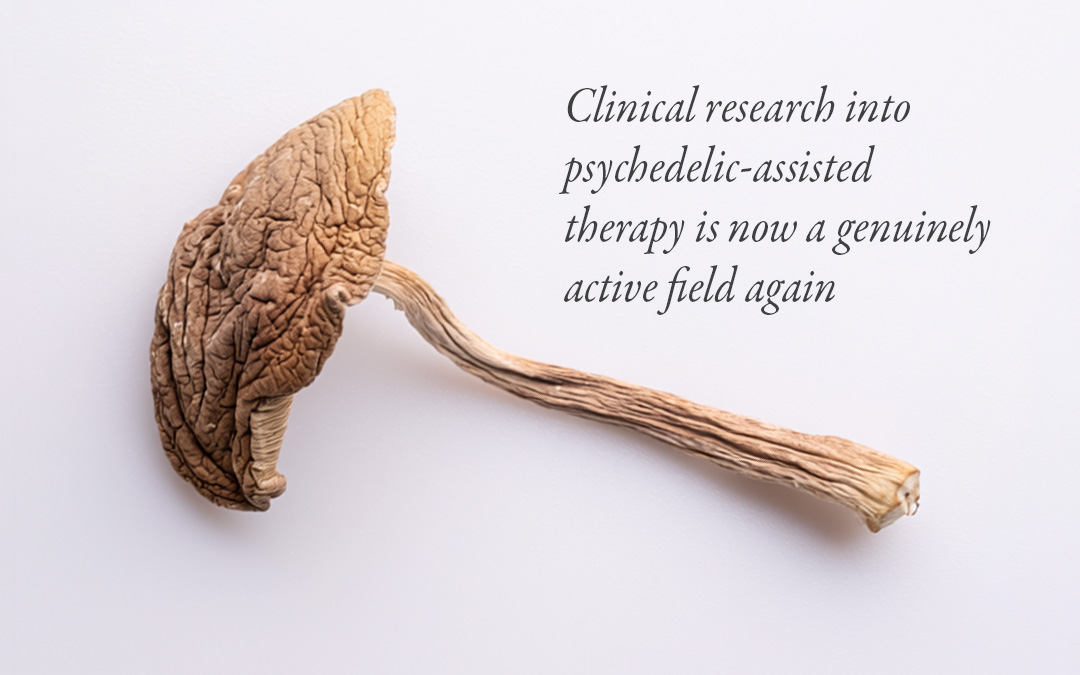
Stories about psychedelic therapy often describe a striking change: depression lifting, or someone finding it easier to face a serious illness. They have drawn attention to treatments that, until recently, were rarely discussed outside specialist research.
Some of those stories have clinical evidence behind them. Trials of psilocybin, found in certain mushrooms, have reported improvements in depression and distress associated with serious illness. How long those benefits last, who is most likely to benefit and what risks treatment carries remain important questions.
The treatment being studied involves more than a substance. Participants are screened beforehand, supported during the experience and helped to make sense of it afterwards. That care is part of the research, though it tends to receive less attention than the psychedelic itself.
The distinction matters. A promising result from a supported clinical trial tells us something worth knowing, but it cannot tell the whole story about a substance used elsewhere, under different conditions.
Old traditions, new questions
Some psychedelic substances have long histories in Indigenous ceremonial traditions. Their place in modern medicine is a different question, with its own responsibilities and evidence to establish.
The phrase “plant medicine” can make very different substances and practices sound like one thing. They are not interchangeable, and a natural origin does not establish safety or effectiveness.
Making sense of the promises
This page offers a way to understand the research and its limits. It is not a guide to taking psychedelics: unsupervised use can cause serious harm, and findings from supported clinical trials cannot establish that an informal experience will be safe or helpful.
- Look at what a study actually tested. A finding about depression or distress during serious illness does not tell us whether the same treatment will help with a different difficulty.
- Include the support in the story. Screening, preparation, supervision and follow-up are part of the treatment being studied, rather than optional extras around it.
- Take the exclusions seriously. Trials commonly exclude people with a personal or family history of psychosis. Results from carefully selected participants cannot establish safety for everyone.
- Distinguish a clinical trial from a commercial experience. A retreat or paid session may borrow the language of therapy without offering the safeguards or oversight used in research.
- Be wary of anyone promising a breakthrough. Warmth, confidence and moving testimonials cannot tell you whether an experience will be safe or helpful for you. Questions about treatment belong in a conversation with a qualified clinician who knows your circumstances.
A powerful experience and a lasting improvement are not necessarily the same thing. Someone may come away feeling that they have understood their life differently; what matters afterwards is whether that helps them live with less distress, maintain relationships or manage daily life.
What the studies can tell us
Some trials of psilocybin with psychological support have found substantial reductions in depressive symptoms. That is an encouraging finding, particularly for people whose difficulties have persisted despite treatment.
It does not yet establish that psilocybin works better than standard antidepressants. In one small trial comparing it with escitalopram, the main measure of improvement did not show a statistically significant difference between the treatments.
These studies are also unusually difficult to interpret. Participants can often tell whether they have received a psychedelic, making it hard to separate the treatment’s effects from expectations. Many trials have relatively small samples, and questions remain about lasting benefits and harms.
Making room for change
One idea researchers are exploring is that psychedelics may temporarily make familiar patterns of thought less fixed. With support, that might allow someone to approach a painful experience or belief differently.
That remains an explanation under investigation, rather than a complete account of how treatment works. The substance, the relationship with the people providing support and the participant’s expectations may all contribute.
The experience itself can be frightening or destabilising. Feeling overwhelmed is not proof that healing is happening, and an intense sense of insight does not make every conclusion reached during it reliable.
Hope without a guarantee
If you have spent years looking for something that helps, it is understandable to want this research to deliver. You deserve an account that leaves room for that hope without asking you to overlook uncertainty.
There is enough promise here to justify careful research. There is not enough to promise a cure, treat different substances as interchangeable or assume that a retreat offers what a clinical trial provides.
If the subject feels personally relevant, a clinician who knows your history can help you consider the evidence alongside your current care. There is no need to abandon support that is helping while waiting to see what this field becomes.
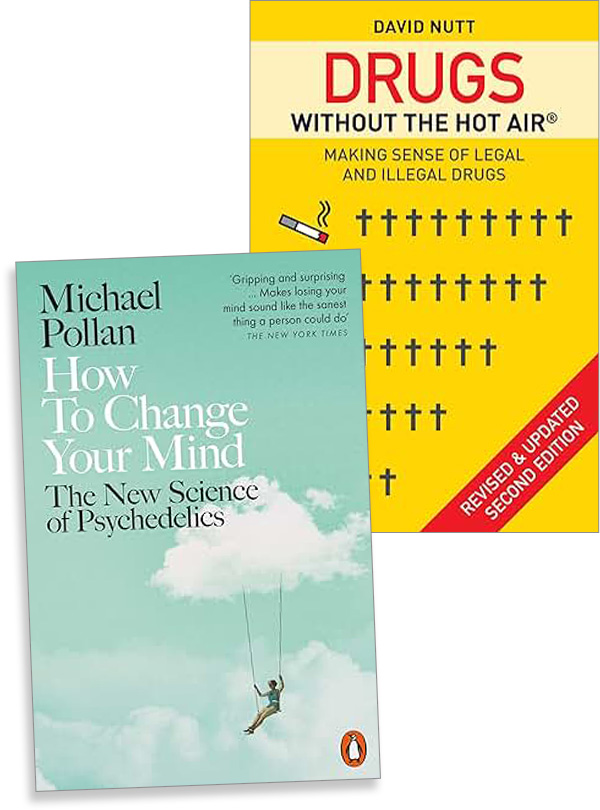
Recommended reading
Michael Pollan’s How to Change Your Mind combines reporting, history and personal experience to explore why psychedelics have returned to medical research, and the hopes surrounding them.
David Nutt’s Drugs Without the Hot Air offers a wider look at drugs, their effects and their risks, questioning how well familiar assumptions match the evidence.