

You may find yourself snapping over something small, feeling unexpectedly tearful or becoming anxious in situations you used to manage comfortably. Mood changes around menopause can feel unsettling, especially when you don’t feel like yourself.
Mood swings, irritability and low mood can happen during perimenopause — the transition leading up to menopause — as well as around menopause itself. You may not immediately connect them with this change, particularly if you’re expecting hot flushes to be the main sign.
Changing hormone levels can play a part, but sleep, health and everyday pressures matter too. You don’t have to work out the cause on your own before asking for help.
Work, caring responsibilities or relationship difficulties may be adding to the strain. If changes in your mood are troubling you or affecting daily life, speak to your GP. They can help you consider whether menopause is contributing, check other possible causes and discuss support.
A few things to keep in mind…
- Mood changes can be part of menopause. Irritability, anxiety, tearfulness and low mood are recognised symptoms. They deserve attention, even if you aren’t having hot flushes.
- Poor sleep can add to the strain. Night sweats or difficulty sleeping may leave you tired and less able to manage everyday frustrations. Mention sleep problems alongside mood changes when you ask for help.
- Persistent low mood needs attention. Depression can occur during this transition, including in people who haven’t experienced it before. If you’re feeling low most days or losing interest in things you usually enjoy, speak to your GP.
- There are treatment options to discuss. HRT may help menopause-related mood symptoms for some people. Talking therapies and, where appropriate, treatment for depression may also help. The right approach depends on your symptoms, medical history and preferences.
- Specific examples can help you explain what’s happening. A brief note of changes in mood, sleep and periods can be useful at an appointment. You don’t need a complete record, or proof that hormones are responsible, to ask for support.
When you don’t feel like yourself
Mood changes can affect more than how you feel. You might find yourself avoiding people, struggling to concentrate at work or arguing with someone over something that would usually feel manageable.
These changes deserve attention in their own right. You don’t need to have severe physical symptoms before asking for help with your mood.
Hormonal changes may contribute, alongside poor sleep, other health problems and pressures in your life. Some days may feel harder than others without an obvious reason. That uncertainty can be frustrating, but you don’t have to identify a single cause before getting support.
Things that may help
Make a brief note of what’s changing. Record a few examples of your mood, sleep and any changes in your periods or other symptoms. Include how they affect your day. This can help you explain things at an appointment without relying on memory alone.
Tell someone what you’re experiencing. You might say, “I’ve been feeling more irritable lately, and I’m finding it difficult too.” Where possible, ask for something specific: a quieter evening, help with a task or time to yourself.
You can be kinder to yourself about a difficult reaction and still repair it. Taking a pause, apologising if needed and explaining what would help next time can all matter.
Notice what makes difficult days harder. Missed meals, poor sleep or an overloaded day may add to the strain. Small adjustments can help, but they don’t replace treatment or mean you should be able to manage everything through lifestyle changes.
Discuss treatment with your GP. Explain that you’re wondering whether perimenopause or menopause is contributing. Depending on your symptoms and medical history, options may include HRT, menopause-specific CBT or support for depression or anxiety.
Getting support
You don’t have to wait for symptoms to become severe, or assume they will disappear once the transition is over. Their duration and impact vary, and help is available while you’re experiencing them.
If low mood, anxiety or irritability is affecting daily life, ask for support now. Menopause may be part of the picture without explaining everything you’re going through.
Your GP can assess persistent symptoms and discuss appropriate care. In England, you can usually refer yourself to NHS Talking Therapies for anxiety or depression without a GP referral. If you feel unsafe or need urgent mental health support, use the crisis contacts in the Support directory.
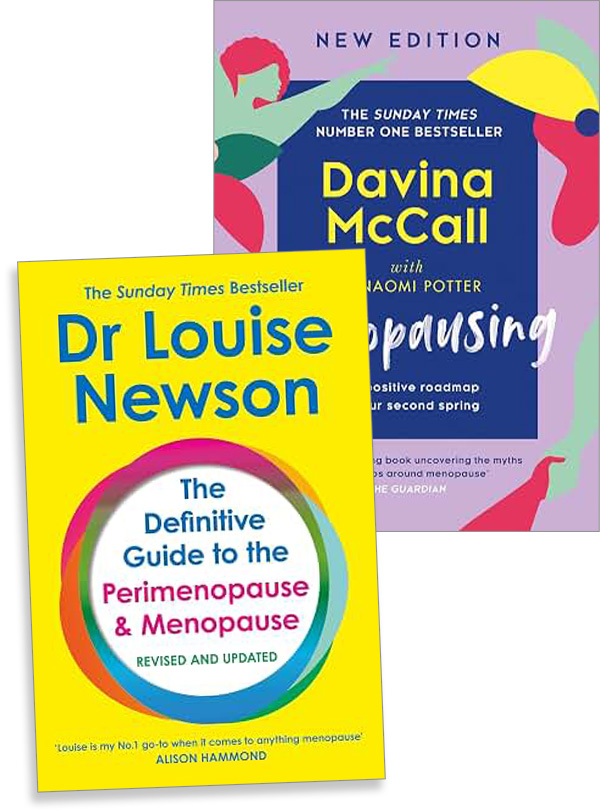
Recommended reading
Dr Louise Newson’s The Definitive Guide to the Perimenopause and Menopause explains the transition, its symptoms and treatment options. It may help you find words for what you’re experiencing and prepare questions for an appointment.
Davina McCall and Dr Naomi Potter’s Menopausing combines personal experiences with medical information. If you’ve found mood changes difficult to explain, reading about other people’s experiences may help you feel less alone and more comfortable talking about your own.