

When money is uncertain, ordinary decisions can become difficult: putting the heating on, opening a bill or agreeing to plans with friends. The worry can follow you even when you’re trying to think about something else.
You may be managing an income that changes each month, rising costs, debt or savings that are running down. Sometimes there’s an immediate shortfall. Sometimes you can cover today’s costs but don’t know how you would manage an unexpected expense.
Money worries can affect sleep, concentration and relationships. You don’t have to wait until you’ve missed a payment before asking for help.
Practical advice can help you understand your options. You may also need support with the strain of keeping everything going. Neither requires you to pretend the problem is smaller than it is, or to feel ashamed that you’re finding it difficult.
A few things to keep in mind…
- Being able to pay today doesn’t always mean feeling secure. You may be covering your bills but have little room for an unexpected cost or a drop in income. That uncertainty can be stressful in its own right.
- Repeated checking can become exhausting. Looking at your balance may be necessary, but checking again without new information can keep the worry going. Where possible, set aside a time to review your finances rather than monitoring them throughout the day.
- Shame can make it harder to ask for help. Financial difficulties can follow rising costs, illness, caring responsibilities or changes at work. Whatever brought you here, you deserve practical advice and respectful support.
- Getting through the month can take most of your attention. Longer-term plans may need to wait while you deal with immediate costs. Start with what needs attention soonest; you don’t have to solve your whole financial future at once.
- You may need practical and emotional support. Money or debt advice can help with bills and payments. If anxiety or low mood is also affecting daily life, speak to your GP or look at NHS Talking Therapies. For urgent mental health support, the Support directory has crisis contacts.
When money worry follows you around
If you’re unsure how you’ll cover essentials, it can be difficult to give anything else your full attention.
You might run through the same calculations at night, hesitate over small purchases or avoid opening messages about money. Even when this month’s bills are covered, uncertainty about next month can leave little room to relax.
There may be a real shortfall, uncertainty about what’s coming or both. Looking at the figures can help you identify the next step, but it may not immediately ease the strain you’ve been carrying.
Things that may help
Start with a manageable picture. Write down what money you expect, what needs paying and when. Estimates are a useful starting point if your income varies. You don’t need a perfect spreadsheet before asking for advice.
Find out what needs attention first. Some missed payments have more serious consequences than others. MoneyHelper’s bill prioritiser can help you understand which bills to deal with first. If you’re worried about missing a payment or already have arrears, seek free debt advice promptly.
If there isn’t enough money for essentials, that deserves practical help. A budget can make the gap clearer, but it cannot create income that isn’t there.
Choose one next action. That might be opening a letter, contacting a provider about a payment you can’t manage or arranging an advice appointment. Write down the action and any deadline so you don’t have to keep rehearsing it in your head.
Give checking a purpose. Where possible, review your finances at a planned time and decide what needs doing. Check again when new information arrives or a payment needs attention. If nothing has changed, another look may only repeat the worry.
Let someone help with the difficult part. A trusted person could sit with you while you open bills or prepare for a call. You can ask for company without sharing every detail of your finances.
Getting support
MoneyHelper offers information about money difficulties and routes to free, confidential debt advice across the UK. You can ask for help before the situation becomes a crisis.
You deserve support with the worry as well as the bills. Feeling overwhelmed doesn’t mean you’re incapable of taking the next step.
If anxiety or low mood is affecting sleep or daily life, speak to your GP or look at NHS Talking Therapies. For urgent mental health support, the Support directory has crisis contacts.
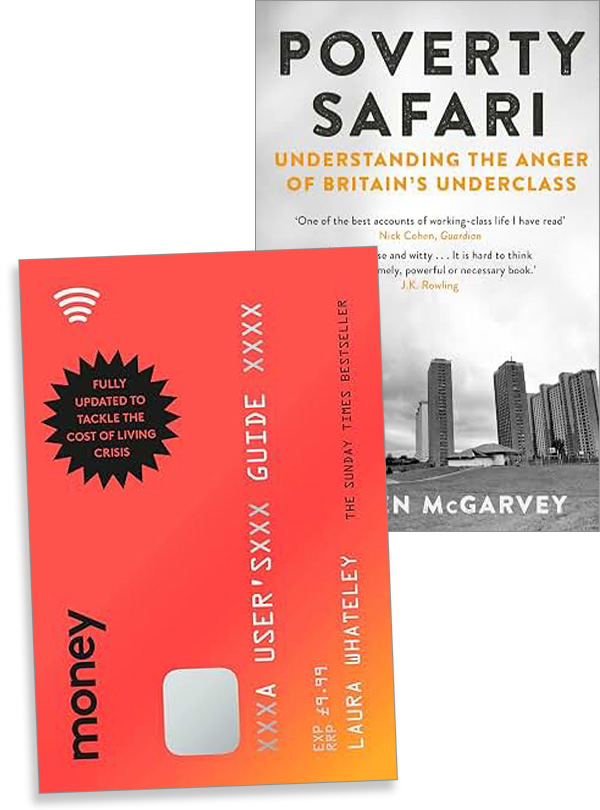
Recommended reading
Laura Whateley’s Money: A User’s Guide explains everyday financial topics, including housing, debt and pensions, alongside money’s effect on relationships and mental health. It may help you understand unfamiliar terms and work out what questions to ask when seeking advice.
Darren McGarvey’s Poverty Safari draws on his experience of growing up in poverty in Glasgow. It combines personal history with an examination of how poverty is understood and discussed, offering a wider perspective on pressures that can feel very private.