
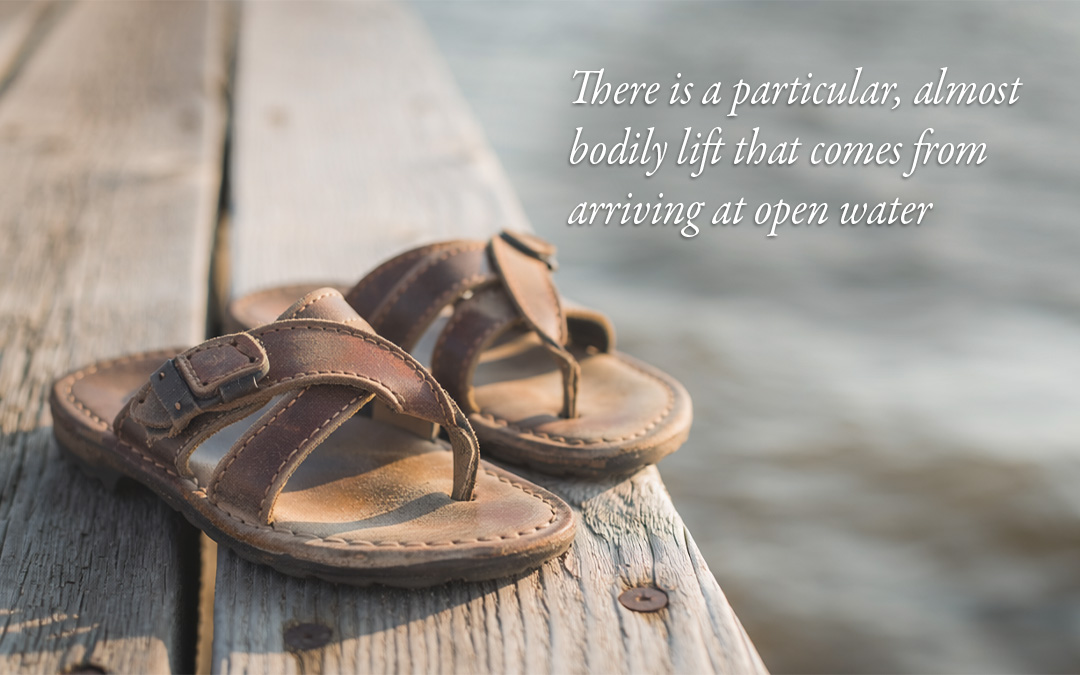
Time beside a river, lake or the sea can offer a pleasant break from the day. You might watch reflections change, listen to waves or sit with a view of the water.
Researchers call these settings “blue spaces”. Studies often link visiting or living near them with better wellbeing, although much of the evidence is observational. It cannot establish that water itself causes the difference.
The surroundings, movement, company and opportunity to take a break may all contribute. Your own experience matters too: some waterside places feel welcoming, while others may be noisy, exposed or uncomfortable.
You can begin with somewhere nearby, such as a canal, pond or riverside park. Sitting on a bench or following an accessible path are both options; this practice involves spending time beside water.
How to try it
Choose a place where you can sit or move comfortably, with a clear route back. Keep a safe distance from edges, and consider the weather, tides and condition of paths where relevant.
Stay for a short while and notice whatever interests you. You can go with someone, talk, walk or simply look at the view. There is no particular way to pay attention and no feeling you need to achieve.
- Choose somewhere comfortable. Try a river, lake, canal or stretch of coast that is easy enough to reach. Moving and still water are both options. Look for a suitable path or seat, with enough distance from the edge.
- Sit or walk as you prefer. Pause on a bench, take a short stroll or use an accessible viewing point. Choose what suits your mobility and energy. There is no need to stay for a set time.
- Reduce interruptions if you want to. Silence non-essential notifications and keep your phone available for directions or help. You can take a photograph, then put it away if you would like time simply to look.
- Notice something that interests you. Perhaps reflections, ripples, birds or the sound of the water. Use whichever senses are available and comfortable. Let your attention move naturally while staying aware of your surroundings.
- Decide whether to return. Afterwards, consider what you enjoyed and anything that made the visit difficult. You might choose a quieter time, go with someone or try a different place. Feeling unchanged is also a useful response to notice.
What blue-space research tells us
Researchers have studied where people live, how often they visit waterside places and how they feel during those visits. Many studies find links between blue spaces and better wellbeing, but the findings vary.
Living near water is different from spending time beside it. Access, the quality of the surroundings and whether people feel comfortable visiting can all affect their experience.
Even when studies account for income or other factors, an association does not establish cause. Exercise, social contact and differences between neighbourhoods may contribute to the results.
Why a waterside visit might help
Several explanations are being explored. A pleasant view may offer a break from demanding tasks, while a waterside path can provide somewhere to walk, meet someone or spend time outdoors.
Attention restoration theory suggests that surroundings which hold our interest without much deliberate effort may help with mental fatigue. Reflections, waves or birds can provide that interest, though this remains one possible explanation.
Sounds matter to some people too. You might enjoy a stream or gentle waves; someone else may find the same sound distracting or unsettling. There is no evidence-based requirement to choose moving water over still water.
The phrase “Blue Mind” is associated with Wallace J. Nichols’s popular-science writing about water and wellbeing. It is useful to distinguish this broad idea from findings about particular places, activities and groups of people.
Making it fit your circumstances
You do not need a coastal trip or a place close to the water’s edge. A familiar park with a pond, a riverside bench or a view from a promenade may be more manageable.
If a visit involves too much travel, expense or physical effort, a nearby green space may suit you better. The walking in nature page offers suggestions for choosing an accessible outing.
You can also bring a little mindful walking into a waterside stroll, provided attention to the exercise does not distract you from the path or water’s edge.
This page is about spending time beside water. Swimming and other water activities need their own preparation and safety advice; they are not necessary for trying the practice described here.
A visit can be enjoyable without producing a noticeable change in mood. Time near water can accompany other support, but it does not replace treatment for persistent anxiety or depression.
Recommended reading
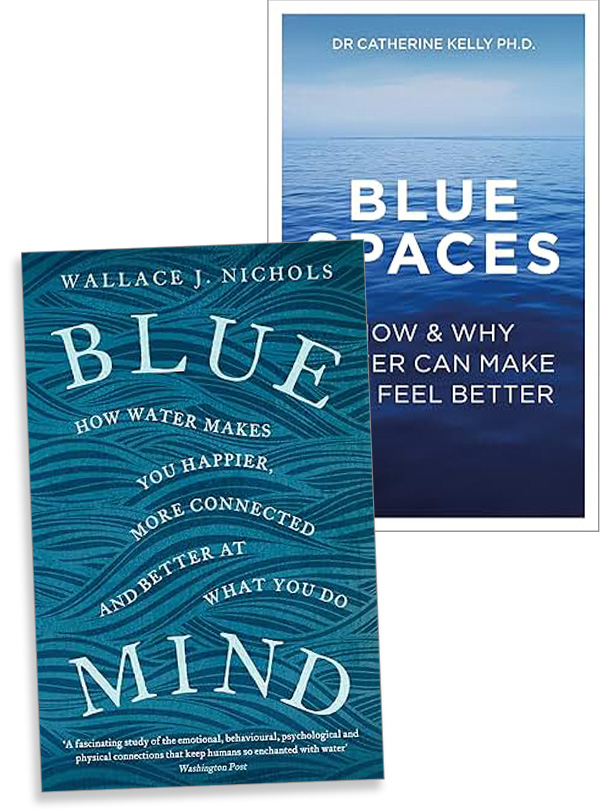
Wallace J. Nichols’s Blue Mind explores our relationship with water through scientific research and personal stories. It offers a broad popular-science account, rather than a guide to a tested treatment.
Catherine Kelly’s Blue Spaces combines research, the cultural significance of water and practical wellbeing exercises. Drawing on her work in geography and wellbeing, she suggests ways to explore time near water in everyday life.