
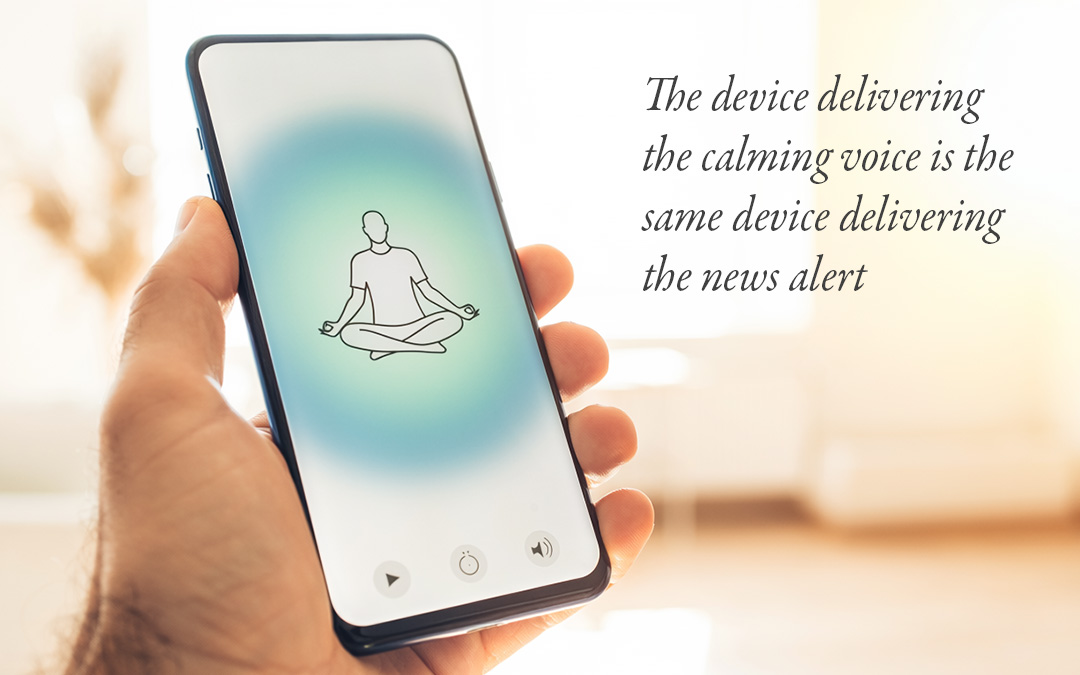
You sit down to meditate, and almost immediately wonder what you are supposed to be doing. A voice offering a few simple instructions can make beginning feel less uncertain.
That is part of the appeal of a mindfulness app. You can choose a short session, find somewhere comfortable and let someone explain the next step.
Over time, you may find a voice you like and an exercise you recognise. Returning becomes easier when you do not have to choose from a whole library every time you open the app.
The phone brings its usual distractions along, of course. A message arrives, or choosing a session turns into browsing. A little preparation can help protect the few minutes you wanted.
Some people continue with guidance; others enjoy practising alone or join a class. There is no required progression. The useful question is whether this way of practising fits your life and gives you something worth returning to.
Finding a voice you can follow
Start with a short session and instructions that make sense to you. A style that feels comfortable is more useful than one you think you ought to like.
- Choose a session that fits the time you have. A few unhurried minutes may be easier to make room for than a longer session squeezed between other things.
- Try a few voices, then give one a chance. Pace, wording and tone can make a difference to how easily you follow along. Once something suits you, there is no need to keep searching.
- Set the phone up before you settle. Silence notifications, start the recording and put the screen out of easy reach. Let the audio be enough for a while.
- Follow the invitation without forcing the result. When your attention wanders, return to the exercise as the guidance suggests. You do not need to finish with an empty mind or a particular feeling.
- Return after a gap without catching up. Missed sessions do not create a debt. Turn off streaks or reminders if they make the practice feel like another obligation.
Sessions will differ. You may finish one feeling settled and spend the next remembering an unfinished job. That variation does not need to become a judgement on the session or on you.
Consider what you notice over time: whether the instructions become easier to follow, whether you recognise distraction sooner, or whether you simply value having a few minutes set aside.
A little structure when it helps
An app brings recordings, timers and courses into one place. For someone who would find a class difficult to attend, that convenience can make trying meditation more manageable.
The exercises often draw on older traditions, adapted into secular guidance about attention, breathing and everyday experience.
A recording can remind you what to try, but it cannot answer a question about something that happened during the session. If you want that conversation, a teacher or group may add something useful.
You can also explore the wider meditation practice without deciding that one format must suit you forever.
What a session can promise
Some trials of mindfulness apps have found improvements in reported stress or wellbeing after several weeks. Others have found little difference from the comparison group.
The results depend on the app, the people taking part and what they are doing instead. A benefit compared with a waiting list does not show that an app is better than another helpful activity.
Many studies are relatively short, so we know less about lasting effects. Research on a full course with a trained teacher also cannot automatically support the claims of every app.
That leaves room to try a format you find appealing, with modest expectations. You do not need a subscription to take the practice seriously, or a dramatic change to justify enjoying a session.
When inward attention feels uncomfortable
Sitting quietly with your thoughts or bodily sensations does not feel helpful on every occasion. If an exercise makes you increasingly anxious or unsettled, you can stop.
Open your eyes, look around and notice where you are. You might prefer grounding techniques, movement or something else that brings your attention outward.
If difficulties persist, speak with a suitably trained teacher or health professional. There is no need to push through distress to prove that you are practising properly.
An app can have a place in everyday care, but it should not delay getting support for ongoing mental health concerns.
Recommended reading
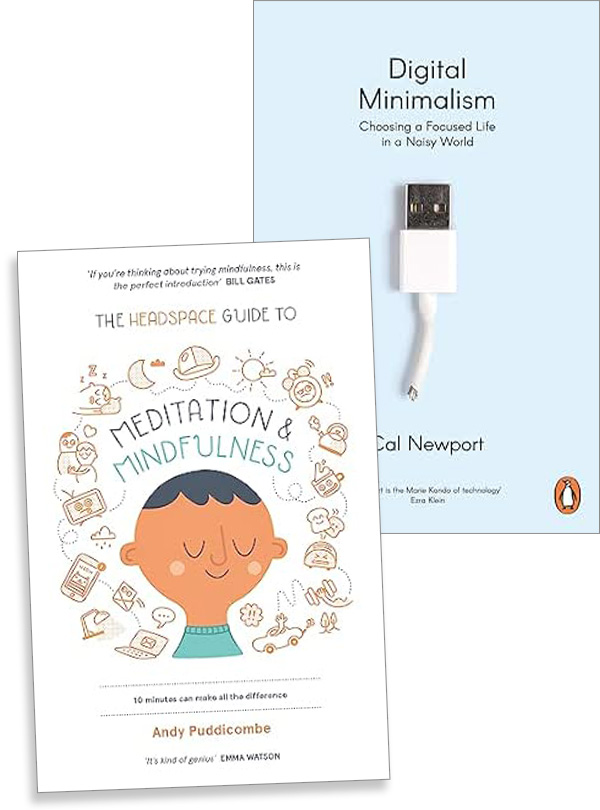
Andy Puddicombe’s Get Some Headspace offers an approachable introduction to meditation, with exercises from the co-founder of Headspace.
Cal Newport’s Digital Minimalism looks at choosing which digital activities deserve a place in your life, and making room for what you value beyond the screen.