

Retirement can bring questions that are difficult to answer: will your income cover everyday costs, how much can you afford to spend, and what happens if your needs change?
You may be approaching retirement and trying to work out whether you can afford it, or already retired and finding that money feels less secure than you expected. Moving from wages to pensions, savings or benefits can take some adjustment, particularly if there’s little room for unexpected costs.
Some worries come from a clear shortfall. Others come from not knowing how long your savings need to last or what future expenses might be. You might hesitate over spending even when you can cover the cost today.
The figures matter, and so does having help to understand them. You don’t have to work out every possible future cost before asking for guidance.
A few things to keep in mind…
- A change in income can take time to get used to. Pensions, savings and benefits may arrive differently from your wages. Knowing what comes in, when it arrives and which costs it needs to cover can make day-to-day decisions clearer.
- You can’t predict every future cost. Prices, health and circumstances can change. Planning can allow for uncertainty, but it doesn’t require you to know exactly how long you’ll live or what you’ll need.
- Having enough today doesn’t always ease the worry. You may still feel uneasy about spending, particularly if replacing savings would be difficult. It can help to identify whether you’re facing a shortfall, an unanswered question or both.
- You can ask for help understanding the figures. Pension statements and unfamiliar terms can be difficult to make sense of. Start with one question or document rather than expecting yourself to understand everything before seeking guidance.
- The worry may be about independence too. Concerns about needing help, supporting someone else or managing a change in health deserve space alongside the financial questions. Naming the particular concern can help you decide what support to seek.
When the future is difficult to budget for
Retirement brings together questions about everyday spending and longer-term security. You may know what you need this month but feel less sure about rising costs, repairs or changes in your health.
A plan can help you understand your position without removing every uncertainty. You don’t have to predict the whole of retirement to make a useful decision now.
Looking at the figures may feel daunting if you’re expecting bad news. You might put it off, or keep checking without feeling reassured. Having someone explain the information can help you identify what needs attention and what remains uncertain.
Things that may help
Start with income and everyday costs. List what comes in, when it arrives and your regular spending. Include occasional expenses such as repairs or annual bills. If you’re not yet retired, use estimates and note what still needs checking. MoneyHelper’s retirement budget planner can help you organise this.
Turn a broad worry into a question. “Will I have enough?” might become “Will my income cover my regular bills?” or “What are my options for taking this pension?” A specific question gives you somewhere to start, even if others remain unanswered.
If the figures show a shortfall, you deserve practical help with it. Feeling calmer may make planning easier, but it cannot make an inadequate income cover essential costs.
Get guidance before making a major pension decision. Pension Wise offers free, impartial appointments for people aged 50 or over with a UK-based defined contribution pension — a pension pot built from contributions and investments. It explains your options; a regulated financial adviser can provide a personal recommendation if you need one.
Write down the next step. You might need to request a statement, check an income estimate or arrange an appointment. Keeping a short list of actions and unanswered questions can save you from trying to hold everything in your head.
Give reviews a purpose. Choose a manageable time to look at your finances, and review them when your circumstances change. If you’re repeatedly checking the same information, ask whether there’s a decision to make or whether you need help with the worry itself.
Getting support
MoneyHelper provides free guidance on pensions and retirement. If paying current bills is the immediate concern, seek money or debt advice alongside any longer-term planning.
You can ask for help with the finances and with how they’re affecting you. Neither requires you to have everything organised first.
If worry is disrupting sleep or taking over daily life, speak to your GP or look at NHS Talking Therapies. For urgent mental health support, the Support directory has crisis contacts.
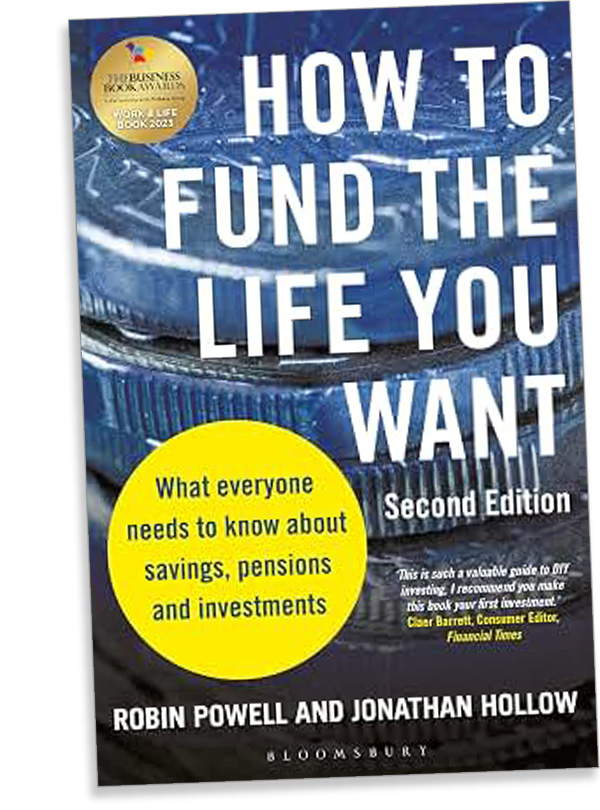
Recommended reading
Robin Powell and Jonathan Hollow’s How to Fund the Life You Want explains savings, pensions and investments in accessible language, connecting financial planning with the life you want to lead. It may help you understand unfamiliar terms and prepare questions about your retirement options.