

You may be helping someone with appointments, meals, medication or everyday tasks without thinking of yourself as a carer. It can feel like something you do because you’re their partner, child, parent or friend.
Sometimes caring begins suddenly, after an illness or an accident. Sometimes the responsibilities build gradually: another phone call, more visits, staying nearby in case you’re needed. You may only notice how much has changed when work, rest or your own plans become harder to fit in.
You can care about someone deeply and still find caring difficult. Tiredness, frustration or wanting time to yourself don’t cancel out your love or concern.
You don’t have to wait until you’re overwhelmed to ask what help is available. Recognising the role can be a first step towards getting support for yourself as well as the person you’re helping.
A few things to keep in mind…
- Caring can affect more of your day than you realise. Alongside practical tasks, you may be organising appointments, checking how someone is or staying available in case they need you. That responsibility can make it difficult to switch off.
- You don’t have to use the word “carer” to ask for help. Explain what you’re doing and how it affects your life. You may see yourself mainly as a partner, relative or friend and still need support with caring.
- Difficult feelings don’t mean you don’t care. Love can sit alongside frustration, sadness or resentment about what has changed. Those feelings may be a reason to seek help or a break, rather than something to hide.
- Your own needs still matter. Sleep, medical appointments, friendships and time away can become hard to protect. If they’re repeatedly being pushed aside, it’s worth looking at what support would make space for them.
- Support may need to be practical as well as emotional. Help with tasks, advice or a break from caring may be needed alongside someone to talk to. If anxiety or low mood is affecting daily life, speak to your GP or look at NHS Talking Therapies. For urgent mental health support, the Support directory has crisis contacts.
When caring takes up more of your life
Caring can involve more than the tasks other people see. You may be keeping track of appointments, arranging help or thinking about what could happen while you’re away. Even when you’re not doing something, you may still feel responsible.
If caring leaves little room for your own life, that deserves attention. You don’t have to reach a point where you can’t cope before asking for support.
Your relationship may be changing too. Being someone’s partner, child or friend can feel different when you’re also helping them wash, managing paperwork or making arrangements. You may miss parts of the relationship you had, alongside wanting to help now.
Things that may help
Describe what caring involves. Make a short list of the tasks you do, the time they take and when you need to be available. Include disrupted nights and organising things behind the scenes. This can help you explain where support is needed.
Ask for specific help. If someone offers, you might ask them to collect shopping, take over a regular visit or help with paperwork. Where family or friends can’t provide what’s needed, ask a local carers’ service about other options.
A break needs arrangements that let you step away. If you can’t leave safely or are still on call throughout, explain that when you ask for help.
Ask about an assessment of your needs. In England, a carer’s assessment is free and looks at how caring affects your life and what support you may need. It isn’t a test of how well you care, and you can request one separately from an assessment for the person you support. Any help offered depends on your circumstances and eligibility.
Arrangements differ across the UK. Carers Trust explains where to start in each nation, including adult carer support plans in Scotland and assessments through Health and Social Care Trusts in Northern Ireland.
Protect something that matters to you. That might be seeing a friend, attending your own medical appointment or having time for an activity you enjoy. If it keeps being cancelled, treat that as a support need to discuss, rather than another thing you should somehow fit in.
Getting support for yourself
You can tell your GP about your caring responsibilities and any effect on your health. A local carers’ organisation may also offer information, help finding services or contact with people in similar situations.
You can be willing to care and still have limits. Being clear about what you can manage helps identify what other support is needed.
If anxiety or low mood is affecting daily life, speak to your GP or look at NHS Talking Therapies. For urgent mental health support, the Support directory has crisis contacts.
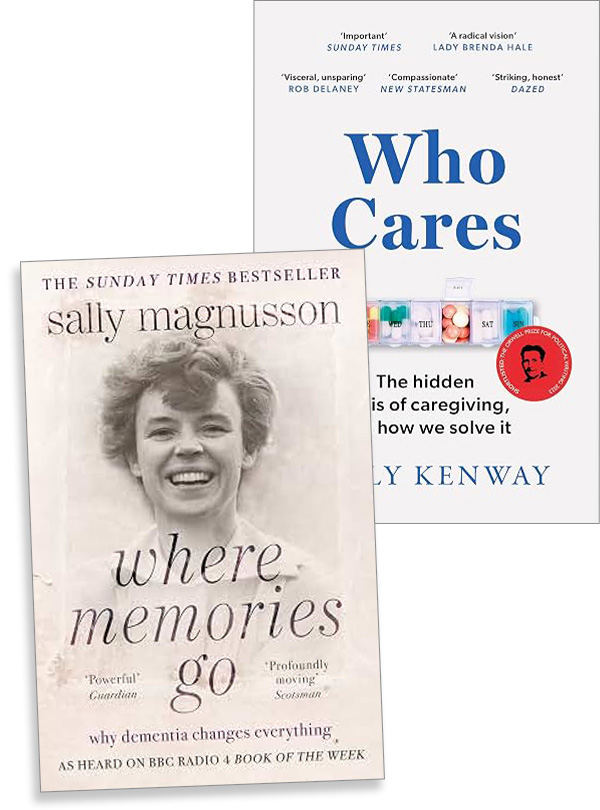
Recommended reading
Sally Magnusson’s Where Memories Go describes caring for her mother through dementia alongside her sisters. It makes room for frustration, sadness, humour and affection, and may offer company if you’re navigating changes in someone you love.
Emily Kenway’s Who Cares combines her experience of caring for her mother with other carers’ stories and an examination of how society supports care. It looks beyond individual coping to ask what families, workplaces and public services need to do differently.