
The psychologist who helped define the autistic spectrum has published a formal case that it has grown too wide to be useful. A closer look at her argument, and where it’s being challenged.
A recent Journal post highlighted the case for de-diagnosis – a former NHS psychiatrist’s argument that some diagnoses do more harm than good once they stop fitting.
This week’s story is related, but comes from a different direction entirely. Dame Uta Frith, the psychologist who helped build the theory of the “autistic spectrum” itself, has published a formal editorial arguing the category has grown so broad it risks what she calls diagnostic meaninglessness.
Frith isn’t a clinician critiquing a diagnosis from outside it. She’s spent more than fifty years, since first encountering autism in the 1960s, helping to establish the framework that autism diagnoses are still built on today.
Her essay in Psychological Medicine isn’t a one-off comment – it follows an earlier interview in March where she used similar language, suggesting this is a position she’s been developing publicly for some time, not a single remark to a newspaper.
- Diagnosis rates have risen sharply. Primary care records show close to a ninefold increase in new autism diagnoses between 1998 and 2018, and roughly 190,000 people in England are currently awaiting an autism assessment.
- She’s arguing from an unusual position. Frith helped build the theory of the autistic spectrum over a career spanning decades – she isn’t an outside critic, but one of the people responsible for the framework now under strain.
- Her actual claim is narrower than “overdiagnosis.” She draws a distinction between overdiagnosis – perfectly normal people being told they’re autistic – and misdiagnosis, where something is genuinely making someone’s life hard, but that something isn’t autism.
- The academic response has been mixed, not united. Some researchers argue her own data shows little evidence of diagnoses causing unnecessary harm, and that under-diagnosis carries real costs of its own.
- She isn’t calling for existing diagnoses to be stripped. Despite her concerns about the category’s breadth, she’s said she wouldn’t want to challenge a diagnosis that’s genuinely helping the person who holds it.
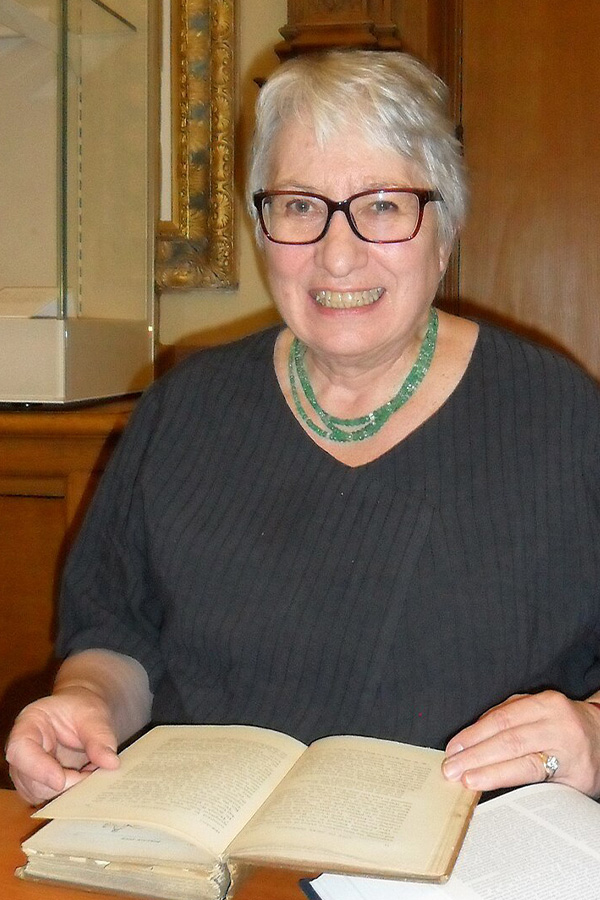
Dame Uta Frith.
Photo: Uta Frith by Katie Chan, licensed under CC BY-SA 3.0.
The architect reconsidering her own blueprint
What makes Frith’s argument land differently from most contributions to this debate is precisely who’s making it.
She’s not disputing whether autism is real, or whether it deserves recognition and support – questions she settled, in large part, by helping answer them decades ago.
Her concern is closer to what happens to any successful theory: as awareness spreads, media coverage grows, and online self-assessment becomes easier, the edges of a category can widen further than the evidence underneath it.
Autism prevalence estimates have risen from around one in 2,500 children when Frith began her research to roughly one in 57 today – a shift she attributes partly to inclusivity succeeding almost too well, and partly to autism becoming, in her words, part of popular culture as much as a clinical term.
What the disagreement is actually about
Frith’s distinction between overdiagnosis and misdiagnosis matters more than it might first appear. She isn’t suggesting the distress driving people toward an autism assessment is invented – only that naming it autism, when something else may be the better explanation, doesn’t actually resolve it.
That’s also where the strongest pushback lands. A published response from researchers in the field argues there’s little solid evidence that autism diagnoses are causing the kind of unnecessary harm Frith describes, and that the opposite risk – autism going unrecognised – carries well-documented costs of its own, including worse mental and physical health outcomes.
The National Autistic Society’s Mel Merritt has separately warned that drawing sharper lines around who “really” qualifies risks setting autistic people against each other, rather than resolving anything.
What this doesn’t mean
This isn’t a case against autism as a diagnosis, and Frith isn’t arguing that the people currently living with one are wrong to have it. Her target is the edge of the category, not its centre.
It’s also not a settled question. The academic rebuttal to her essay makes a genuinely substantive case in the other direction – this is a live, contested argument among people who study this for a living, not something either side has closed off.
What both this piece and last week’s on de-diagnosis keep circling back to is the same underlying question: not whether a label is real, but whether it’s still doing the job it was given for the person holding it.
Sources: Frith, U. (2026). “Autism Spectrum Disorder: Has it lost its meaning and is it leading to misdiagnosis?” Psychological Medicine. “Has autism become too broad to be useful?”, UCL News, August 2026. “It’s absolutely absurd to me to say Chris Packham is autistic”, Andrew Billen, The Times, 10 August 2026.