

The chair still waiting for someone who won’t be back.
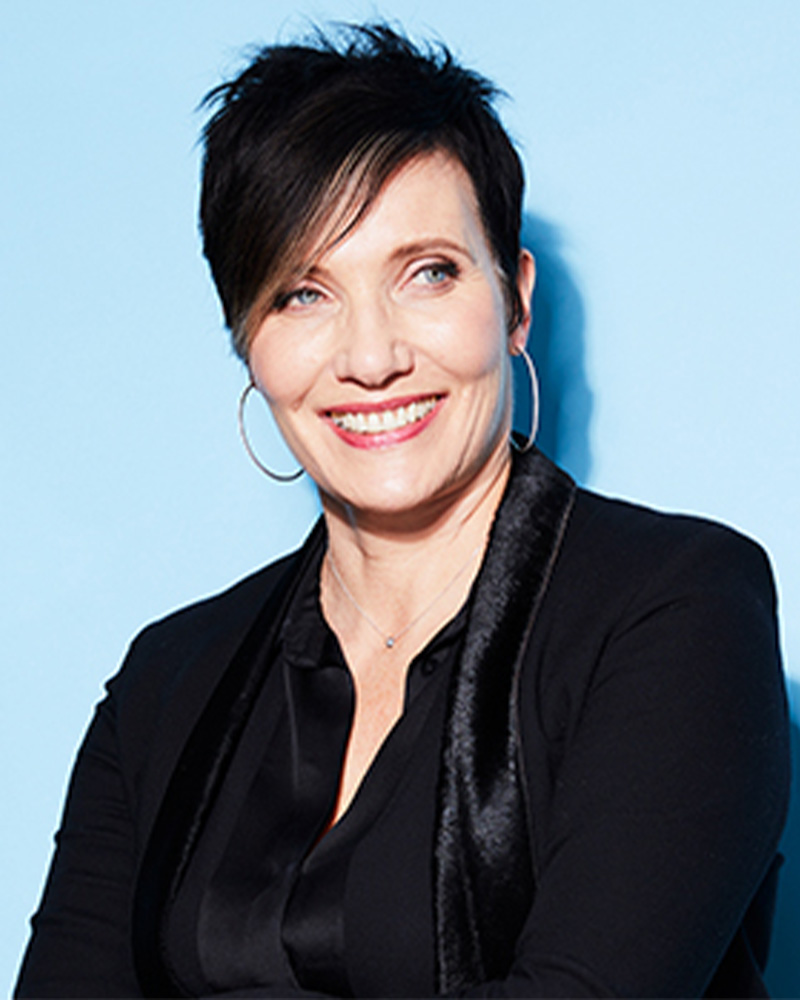
Professor Tanya Byron: “This is not depression. This is grief.”
A clinical psychologist spent three decades teaching other people to tell the difference between pain and pathology. When her own father died, she couldn’t do it for herself.
Her new book argues that’s not really a personal failing – it’s what an entire culture has started doing to itself.
What happened
Professor Tanya Byron’s father collapsed and died suddenly in 1972, aged 67, backstage at the theatre he was directing. She was a working mother of two, mid-career as a clinical psychologist. She went straight back to work, made lists, spoke calmly at the funeral, and told everyone she was “doing okay.”
Within weeks she’d diagnosed herself with clinical depression. Brain fog, the fatigue, the inability to function – it had to be more than grief, she told herself. It had to have a name, so she could begin to make it stop.
Her therapist didn’t argue with the symptoms. She just reflected them back differently – naming the pain as pain, not as illness – and asked Byron to sit inside it rather than fix it.
That reframe took months to actually land. Byron writes about crying, going numb, functioning on the outside while feeling shattered on the inside – all while knowing, professionally, exactly what grief was supposed to look like, and still not recognising it in herself.
Two decades on, while writing this book at her dying mother’s bedside, a clinical colleague told her the same thing her own therapist once had: “This is not depression. This is grief.”
Here’s how her wider argument breaks down:
Worth knowing…
- Her own case is the proof she leads with. A clinical psychologist, trained to spot the difference, still reached for a diagnosis over a feeling – because a diagnosis felt like something she could act on, and grief felt like something she’d just have to survive.
- She isn’t arguing that distress is fake. Her concern is that real, ordinary suffering – grief, stress, disappointment – is being renamed as disorder, which doesn’t make it more valid, just harder to actually sit with.
- The evidence on where people get their information is bleak. One study found over half of the most-viewed ADHD videos on TikTok were misleading; a later one found much of what young adults watch there still encourages self-diagnosis with no medical involvement at all.
- The label has become financially load-bearing. Some private clinics assessing for ADHD now ask for half their fee upfront, because so many people who don’t get the diagnosis they came for simply refuse to pay for the assessment.
- Precision, not awareness, is what she says is missing. Words like “trauma,” “triggered” and “gaslit” get used so loosely, she argues, that they stop meaning anything – which makes it harder, not easier, for people who genuinely need care to be taken seriously.
The wider argument
Byron’s case isn’t that mental health awareness went too far. It’s that somewhere in the last decade, an epidemic of silence flipped into what she calls an epidemic of noisy mental-health mis-speak – and both leave the people who are actually unwell harder to spot.
Her argument: when a difficult but ordinary feeling gets treated as evidence of an underlying disorder, it doesn’t build resilience – it quietly erodes it. Sadness gets called depression, disagreement gets called gaslighting, and being reminded of something upsetting gets called being triggered, until the words have nothing left to describe the moments that actually deserve them.
She traces her own instinct on this back through her family. Her mother, Elfie, was diagnosed with Alzheimer’s and faced seven years of decline with what Byron describes as extraordinary, almost Stoic composure – asking not “why is this happening” but what she could still control. Watching that, Byron writes, taught her more about real resilience than her clinical training ever did.
She’s careful about where she draws her own line. She isn’t saying mental illness is overstated, or that people should simply get a grip – she’s asking who brought this generation into a world on fire and then handed them therapy-speak instead of resilience. “I’m not depressed,” she writes of her current grief, this time for her mother. “My heart is just shattered into a million sharp pieces. And in that there’s something real and right.”
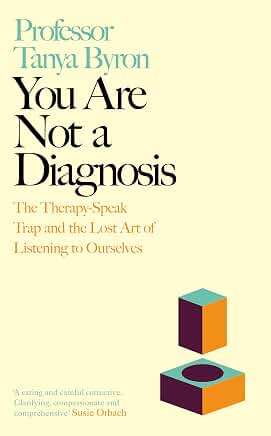
Sources: “I am a trained clinical psychologist but I didn’t recognise my own grief,” The Times, 24th August 2026 – Tanya Byron’s own first-person account. “‘People’s feelings are real but the labelling is not always correct,'” The Times Magazine, 22nd August 2026 – interview ahead of the publication of her book, You Are Not a Diagnosis: The Therapy-Speak Trap and the Lost Art of Listening to Ourselves (Penguin, £18.99), out 3rd September 2026.