by calm_2jqtsj | Jun 29, 2026
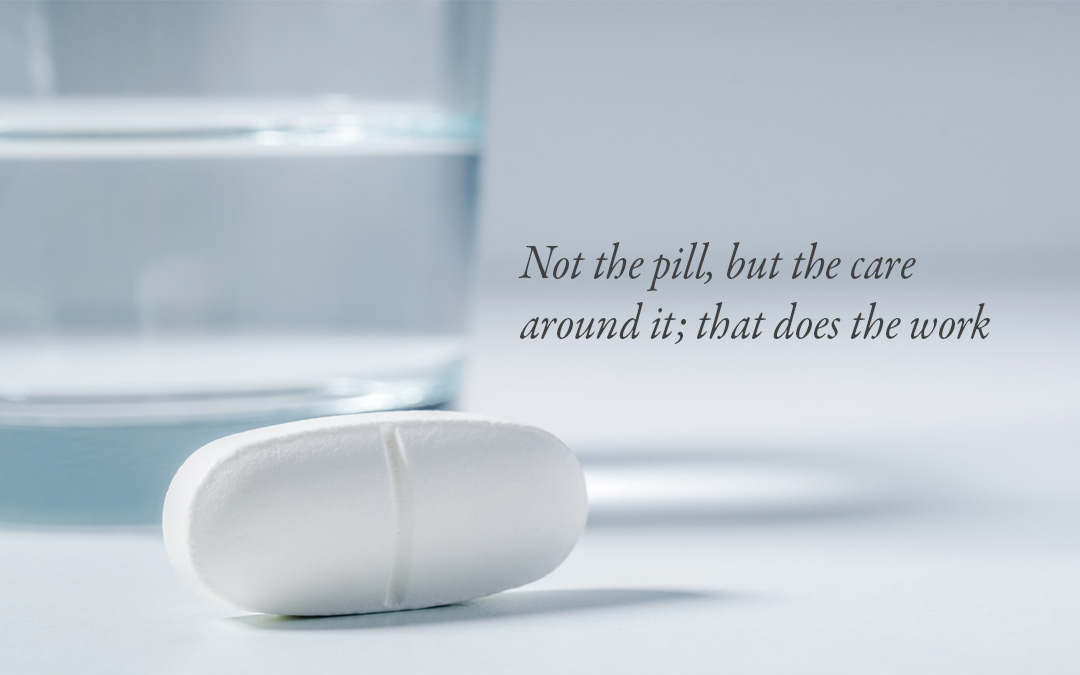
Support this project The placebo effect describes changes linked to the expectation and experience of receiving treatment, rather than its specific active ingredient. These can include changes in how symptoms such as pain are felt. A placebo might be a dummy pill used...

by calm_2jqtsj | Jun 28, 2026
Support this project Cognitive behavioural therapy (CBT) explores how thoughts, feelings, physical sensations and actions influence one another. It uses practical exercises to understand these patterns and try different responses. For example, thinking “I’ll embarrass...

by calm_2jqtsj | Jun 27, 2026
Support this project Acceptance and commitment therapy (ACT) helps you respond more flexibly to difficult thoughts and feelings, while taking steps towards what matters to you. For example, you might feel anxious about contacting a friend. ACT asks whether you can...

by calm_2jqtsj | Jun 26, 2026
Support this project A walk among trees, beside water or through a local park can offer a change of pace and surroundings. You might notice birdsong, moving leaves or the feel of the air as you go. Research suggests that walking in natural settings can support mood...

by calm_2jqtsj | Jun 26, 2026
Support this project Writing can give you space to describe what has happened, notice how you feel and consider what you need next. A few private lines may be enough; you do not need to write well or keep a daily diary. There are several approaches. You might record...
