
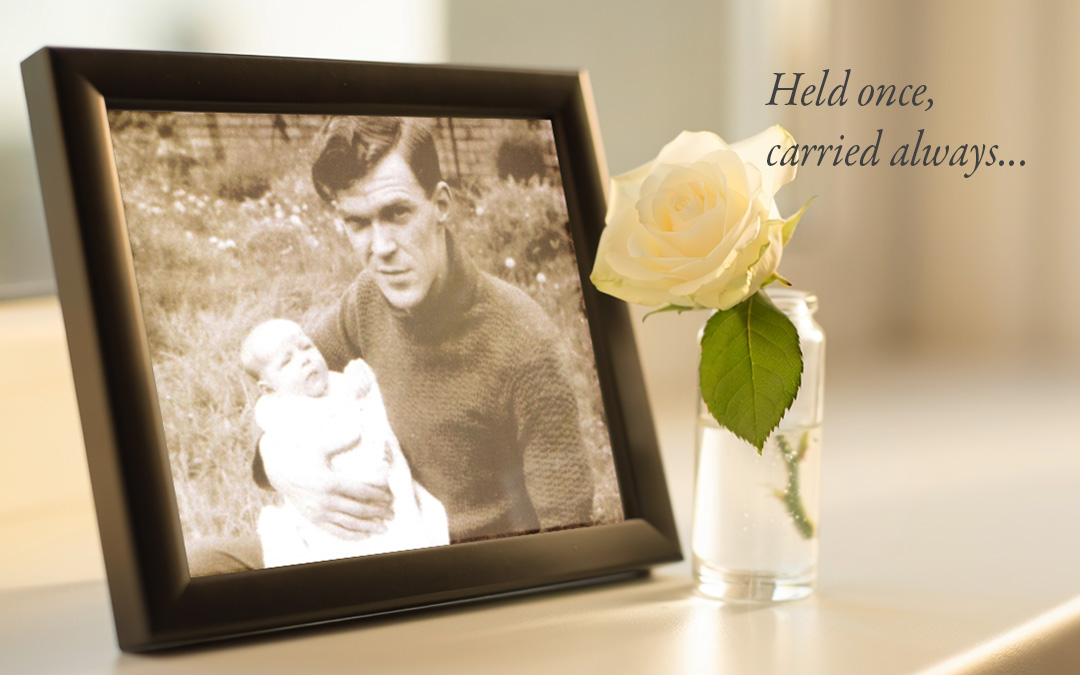
Losing a parent is the one major loss almost everyone expects to face eventually – which is exactly what makes it so easy for others to underestimate.
Of all the people we lose, a parent is the one whose death is, in the ordinary run of things, supposed to happen. Children aren’t supposed to die before their parents. Partners hope to go together, or close enough. But a parent going first – that’s simply the shape the timeline is meant to take.
That expectedness doesn’t make the loss smaller. If anything, it changes the loss into something else: not a tragedy that shouldn’t have happened, but the end of the one relationship that was there before you had a self to remember it with.
A parent isn’t just someone who dies. They’re the person who held the story of who you were before you could hold it yourself – and when they go, a particular kind of witness goes with them, one no other relationship quite replaces.
- It’s an asymmetric relationship, and the loss is asymmetric too. A parent shaped you before you had language for it – losing them isn’t like losing a peer, because the relationship was never a peer relationship to begin with.
- It’s the “on-time” loss, and that carries its own weight. Because parent loss is expected, it often gets less social recognition than losing a partner or a child – people check in less, and check in for less time.
- It moves you up a generation. Losing your last parent can mean becoming, for the first time, the oldest generation in the family – a shift nobody warns you is coming.
- It’s not interchangeable with other close losses. Losing a sibling, a partner, or (in the hardest cases) a child carries its own distinct grief – parent loss shouldn’t be measured against those, or assumed to be lighter because it’s more common.
- Complicated relationships complicate the grief. If the relationship was difficult, the loss can bring relief, guilt and sorrow at once – that mixture is common, not a sign of doing it wrong.
Why this loss is different
Losing a parent is common enough that it can quietly get treated as smaller – it isn’t.
Because almost everyone eventually loses a parent, and because it usually happens in the expected order of a life, it’s often treated socially as the “easier” loss – less catastrophic than a partner dying, less devastating than losing a child. That comparison misses what’s actually being lost.
A parent is a foundational relationship, not just a close one. They knew you before memory, held context about your own life that nobody else holds, and – for most people – represented the last generational buffer between themselves and the front of the queue. Losing that isn’t diminished by being expected. It’s just a different shape of grief to the sudden, out-of-order losses – not a lesser one.
What actually helps
Because this loss is expected, permission to grieve it fully often has to be self-granted rather than offered.
It helps to notice, and gently resist, the pressure to grieve efficiently just because the loss was foreseeable. A parent’s death being “in the natural order” doesn’t put a ceiling on how much it’s allowed to hurt, or how long it’s allowed to take.
It also helps to expect the generational shift as its own adjustment, separate from the grief itself. Becoming the eldest generation, or the one who now holds the family’s history, is a role change – it deserves its own attention rather than being absorbed silently into mourning.
Where the relationship was complicated, it helps to let the grief be complicated too. Love, relief, unfinished conflict and sorrow can all be true about the same parent at once.
Worth knowing
There’s a quiet irony in how ordinary this loss is, and how singular it feels anyway.
Almost everyone who lives long enough will lose a parent. Almost no one feels prepared for it when it happens. Both things are true, and neither cancels the other out.
If grief feels stuck, or is accompanied by prolonged difficulty functioning day to day, NHS Talking Therapies is worth looking at – free, evidence-based, and self-referral in most of England, no GP needed. If it feels more urgent than that, the Support directory has crisis contacts.
If it would help, here's a short message of encouragement to sit with before moving on.
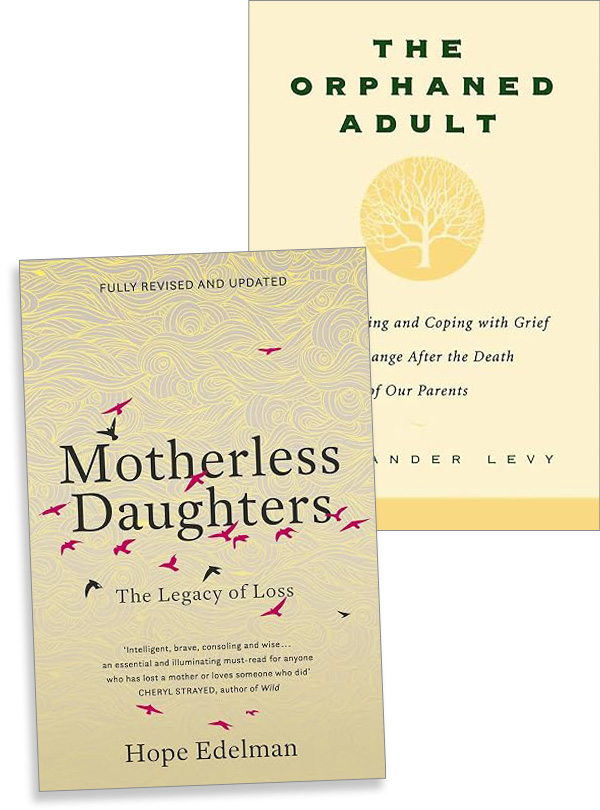
Recommended reading
Hope Edelman’s Motherless Daughters is the standard starting point for this particular grief – it names the lasting, identity-level effects of losing a parent, and why the loss keeps resurfacing at new life stages.
For a broader account that applies regardless of age at loss, Alexander Levy’s The Orphaned Adult looks specifically at what changes – practically and psychologically – when the last parent dies, including the generational shift this page describes.