

When a friendship ends, you may miss having someone to call, share news with or spend an ordinary afternoon alongside. If you were close for years, their absence can leave a bigger gap than other people realise.
Sometimes there’s a clear falling-out. At other times, messages become less frequent, plans never quite happen, or you notice you’re always the one making contact. You may be unsure whether to ask what’s changed or let things be.
Not knowing where you stand can be painful. You might keep checking your phone, going over your last conversation or wondering whether you’ve done something wrong.
You may also miss the part of your life you shared: old jokes, familiar routines or someone who knew you at a particular age. Mutual friends can make things awkward, especially if you’re still likely to see each other.
Even if ending the friendship was your choice, you may feel sad about it. There may have been good things you miss alongside reasons you needed to step away.
A few things to keep in mind…
- You may miss them more than people expect. A friend may have been your main source of company, advice or laughter. If others don’t understand why you’re upset, choose someone who will listen without dismissing the friendship’s importance.
- Less contact doesn’t always mean the friendship is over. Illness, caring responsibilities or a busy period can make someone harder to reach. If you’re unsure, you could ask how they are and whether they’d like to meet, rather than trying to interpret every silence.
- You can make an effort without carrying the friendship alone. If you’ve suggested meeting several times and had little response, you may want to step back. You don’t have to keep finding new ways to get their attention.
- Shared friends can make things awkward. You can ask people not to pass on updates or messages. If you’ll both be at an event, consider what would help you feel comfortable, such as arriving with someone or keeping any conversation brief.
- Missing someone doesn’t mean you need to reconnect. You can value the good times and still remember why the friendship ended. If contact was hurtful or left you feeling pressured, sadness isn’t a reason to ignore those concerns.
Adjusting to their absence
You may notice the gap most at times when you’d usually see or contact your friend. A free evening, a piece of news or a place you went together can leave you wondering what to do instead.
If you don’t know why the friendship changed, you may keep going over old messages for an explanation. It can be hard to leave a question unanswered when the person mattered to you.
There may be something useful to learn from what happened. But if you’re repeatedly reading the same conversation and feeling worse, consider putting the messages away for a while. You can return to them later if you want to.
Things that may help
Decide whether you want to ask about the change. If contact feels safe and welcome, you could send a brief message: “I’ve missed seeing you and wondered whether something has changed between us.” Think about what you want from the conversation, and whether you feel ready for an answer you may find difficult.
Give yourself a stopping point. If you’ve already tried to talk and received no reply, another message may not bring more clarity. You can decide to stop making contact for now without knowing exactly why things ended.
You may never have a full explanation. For now, you can make decisions based on how the friendship is, rather than how you hope it might become.
Make reminders easier to manage. You might mute their social media updates or archive a message thread if seeing it keeps upsetting you. You don’t have to delete photographs or decide what to do with every reminder straight away.
Make a small plan for time you used to share. If you met every Saturday or spoke most evenings, that gap may be particularly noticeable. Arrange something manageable: a walk, a class, a call with someone else or an activity you enjoy on your own.
Reach out to other people without expecting the same closeness. You could invite someone for coffee or follow up on a conversation you enjoyed. A new connection doesn’t have to replace the friendship you’ve lost.
Finding support
If you want to talk about the friendship, choose someone who can listen without taking sides or passing things on. You can say what would help: “I’m not asking you to sort it out. I just need to talk about how much I miss them.”
If you’re finding everyday life difficult to manage, or are worried about your mood or sleep, speak to your GP. NHS Talking Therapies may help with anxiety or depression following the loss; in England, you can refer yourself without going through your GP. If you need urgent mental health support, the Support directory has crisis contacts.
Recommended reading
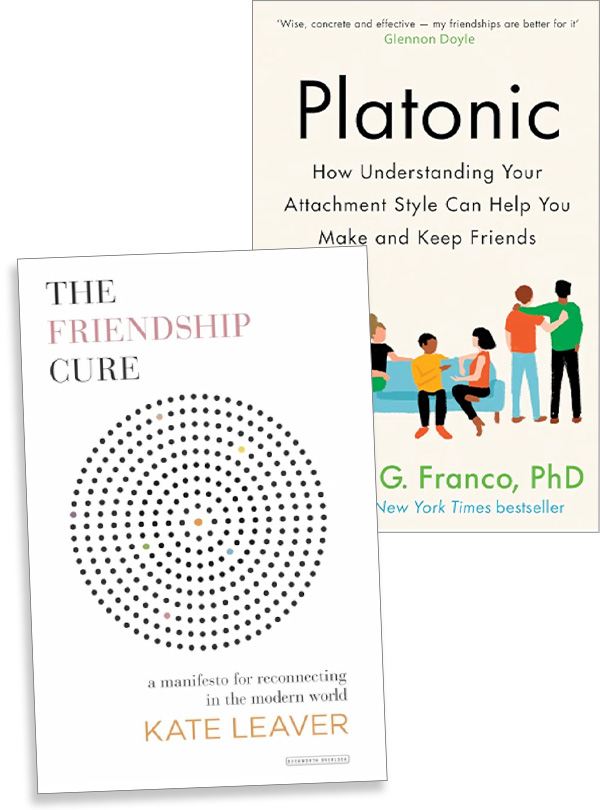
If you’d like to read more about friendship, these books consider why it matters and how we make, maintain and sometimes lose close connections.
Kate Leaver’s The Friendship Cure combines research, interviews and personal stories to explore friendship in adult life. It includes friendship breakups, alongside making new friends and caring for existing relationships.
Marisa Franco’s Platonic draws on attachment theory and friendship research to offer suggestions for making and keeping friends. It may interest you if you’re beginning to think about meeting people or deepening other friendships after a loss.