

You may have been managing reasonably well when something brings the loss home to you again. A song comes on, you find an old photograph, or there’s something you wish you could tell the person who has died.
Sometimes you know why a day feels difficult. A birthday or anniversary is approaching, or you’re doing something you used to do together. At other times, you may feel upset without knowing what brought it on.
A hard day can be unsettling, especially if you’d started to feel more like yourself. You might wonder why it still hurts so much, or worry that you’ve lost the progress you’d made.
Feeling the loss strongly again doesn’t undo the days when life felt easier. There’s room for both experiences as you adjust to living without someone.
You don’t have to measure your grief against a sequence of stages. Your feelings may change from one day to another, and familiar feelings can return. Describing grief as coming in waves may help you make sense of this, but you don’t have to use that description if it doesn’t fit your experience.
A few things to keep in mind…
- A difficult day doesn’t mean you’re back at the beginning. You may miss someone intensely after a period when life felt easier. The things you’ve managed since their death still count, even when today is hard.
- Small reminders can catch you off guard. You might prepare for an anniversary but find yourself upset by their handwriting on a shopping list, or passing somewhere you used to meet. You can’t anticipate every reminder.
- You don’t have to predict how you’ll feel. You may feel able to see people one day and want some quiet the next. Where you can, leave room to change your plans rather than expecting the same of yourself every day.
- Happy occasions can bring sadness too. At a wedding, a birthday or the arrival of a new baby, you may wish the person could be there. You can enjoy what’s happening and still feel their absence.
- You can ask for company without having to explain everything. A simple message such as “I’m missing them today. Have you got time for a chat?” lets someone know what you need, even if you’re unsure why today feels difficult.
Things that may help
When grief catches you off guard, it can be hard to decide what to do next. Start with something small: find somewhere to sit, have a drink of water, or take a few minutes away from what you were doing.
You don’t have to make the feeling go away, or stay with it until it passes. You might want to cry or talk about the person. You might prefer some company, a short walk or a familiar programme.
Notice what brought the feeling on, if you can. Perhaps you’ve heard a piece of music they loved, or realised they won’t be there for an occasion. Putting that into words may help you understand why the moment feels difficult. If there’s no obvious reason, you don’t need to search for one.
Give yourself a little room. If you’re at work or out with other people, you could step somewhere quiet or say, “I’m having a difficult moment. I need a few minutes.” You can choose how much to explain.
Make the rest of the day more manageable. Some responsibilities can’t wait, but others may be put off or shared. If you’re struggling to concentrate, ask someone to help with a task rather than trying to get through everything as planned.
Over time
You may find that everyday life becomes easier while particular reminders still hurt. Or you may notice that you can talk about the person or visit a familiar place with more pleasure than sadness. What feels painful now may feel different later.
There isn’t a date by which you should stop missing someone. Equally, you don’t have to expect grief to remain as painful as it is today.
New experiences can bring fresh reminders of their absence: moving home, becoming a parent, retiring, or reaching an age they never reached. If that happens, you can ask for support again, even if it’s been years since they died.
Finding support
If you’d like to talk to someone about your loss, Cruse Bereavement Support offers information and bereavement support. You don’t have to wait until things feel unmanageable to ask for help.
If grief is making everyday life difficult to manage, or you’re worried about how you’re feeling, speak to your GP. NHS Talking Therapies may help with anxiety or depression following a bereavement; in England, you can refer yourself without going through your GP. If you need urgent mental health support, the Support directory has crisis contacts.
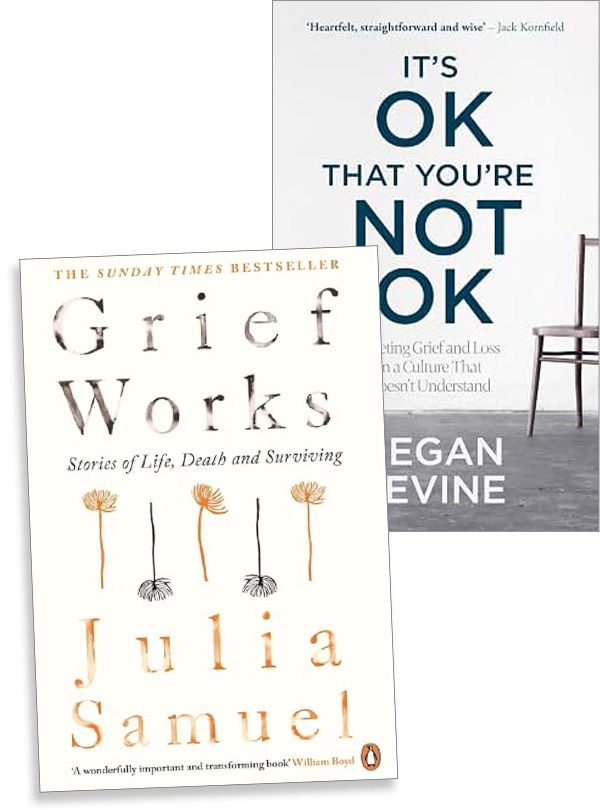
Recommended reading
If reading about grief feels helpful, these books offer different ways to understand what you’re experiencing.
Julia Samuel’s Grief Works brings together stories from her work as a bereavement therapist. It explores different losses and how people find ways to live with them, alongside practical suggestions for support.
Megan Devine’s It’s OK That You’re Not OK questions the pressure to get over a loss or turn it into something positive. It may interest you if you feel expected to be better by now, or find other people’s attempts at reassurance unhelpful.