
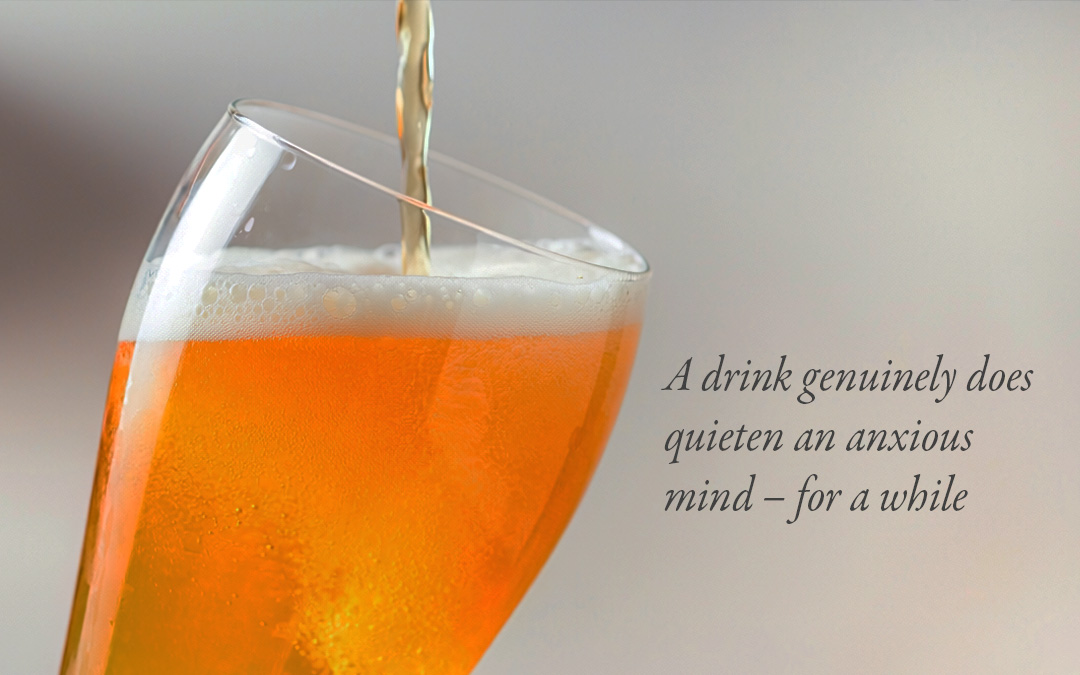
A drink can mark the end of a difficult day: work finished, something poured, a little distance from whatever has been on your mind.
The appeal is understandable. Alcohol can make some people feel more relaxed or less self-conscious for a while, and the occasion may bring pleasures of its own: company, conversation, a familiar ritual.
But the rest of the evening, the night and the following morning belong in the picture too. Alcohol can disrupt sleep and leave you feeling more anxious or low, even when it seemed to help at first.
It is worth noticing when the drink becomes something you rely on to unwind, face a social situation or get through a feeling. That pattern can develop gradually, without a clear moment when you chose it.
You do not need to judge yourself, or decide on a label, to look at what is happening. Wondering whether alcohol is helping as much as it once seemed to is enough reason to pay attention.
Looking at the whole pattern
Start with when you drink, what you hope it will do and how you feel afterwards. If you may be dependent on alcohol, get medical advice before stopping or sharply reducing: withdrawal can be dangerous.
- Notice when you most want a drink. After work, before meeting people or when a worry starts circling? Recognising the occasion can help you understand what you are looking for.
- Include the night and next morning in the picture. Consider sleep, energy and mood alongside any relief you felt while drinking. A brief note may help you spot a pattern.
- Make room for another way to unwind. A meal, a walk, music or a conversation might meet part of the need. Choose something you would welcome, rather than another task to complete.
- If you want to change your drinking, plan some support. Tell someone you trust, or speak with a GP or alcohol service. You can ask for help before you are certain how much of a problem it has become.
- Get medical advice if cutting back brings symptoms. Shaking, sweating, nausea or anxiety when alcohol wears off can indicate withdrawal. If you may be dependent, do not stop suddenly or sharply reduce without medical guidance.
The reasons for drinking are often mixed. You may enjoy the taste, want to join in and hope to feel less tense, all in the same evening.
Understanding those reasons can help, but the amount and frequency matter too. Enjoying a drink does not remove its health risks, just as drinking to cope does not make you someone who deserves blame.
When a drink becomes the signal to stop
Sometimes the first welcome moment is before you have taken a sip: the glass poured, the laptop closed, permission to leave the day alone.
It is worth asking which parts of that occasion you want to keep. A favourite drink without alcohol, something to eat or time with someone may preserve some of the pleasure while changing the drinking itself.
That will not resolve every worry. It can, however, give you more than one way to mark the end of a day.
The evening and the morning after
Alcohol affects brain systems involved in inhibition, mood and alertness. Some people initially feel more relaxed, but the effects vary with the person, the amount and the circumstances.
As the effects wear off, anxiety can return or feel worse. Disturbed sleep and the physical discomfort of a hangover can add to it; concerns about what happened while drinking may contribute too.
Alcohol can make falling asleep easier while disrupting sleep later in the night. Getting to sleep quickly is only one part of feeling rested the next day.
With regular heavy drinking, tolerance and dependence can develop. Needing more for the same effect, or drinking to relieve symptoms when alcohol wears off, deserves professional attention.
These patterns can feed into one another: a difficult morning, another demanding day, then a drink that promises relief again. Recognising the cycle gives you something concrete to discuss, rather than another reason to be hard on yourself.
Giving yourself more options
The question is not simply what to drink instead. It is also what has made relief feel so necessary: exhaustion, loneliness, social anxiety or a situation that keeps asking too much.
Different needs call for different kinds of help. Sleep and rest may deserve attention; a conversation with someone you trust may help you feel less alone with the problem. Small ways of maintaining that contact are explored in close relationships.
If you choose to drink, UK guidance advises no more than 14 units a week on a regular basis, spread over three or more days. This is a lower-risk guideline, rather than a risk-free allowance or a target.
If drinking feels difficult to control, speak with a GP or an alcohol support service. You can seek help while still working out what you want to change.
If you may be dependent, get medical guidance before stopping or sharply reducing. Call 999 for severe withdrawal symptoms such as seizures, hallucinations or severe confusion.
Recommended reading
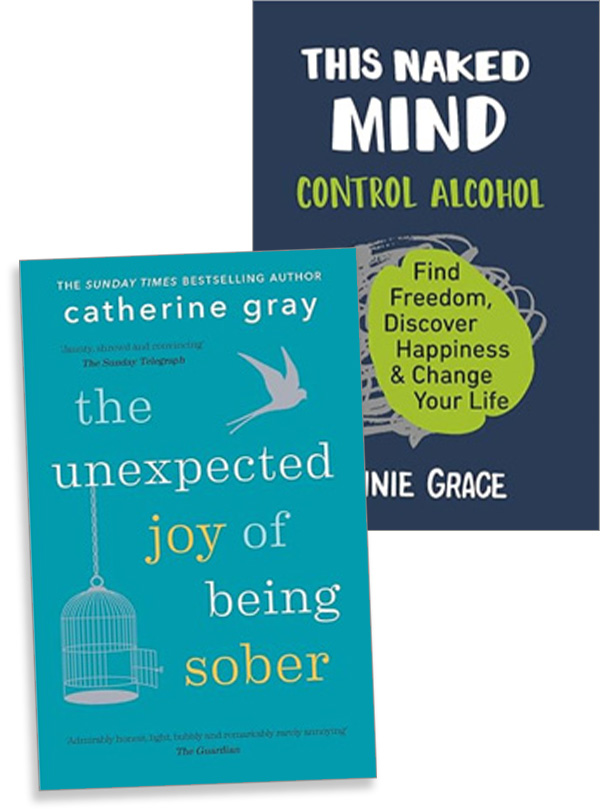
Catherine Gray’s The Unexpected Joy of Being Sober brings humour and honesty to her experience of giving up alcohol, with practical reflections on finding pleasure in life without it.
Annie Grace’s This Naked Mind explores the beliefs and habits surrounding drinking, inviting you to question what alcohol adds to your life and what it costs.