
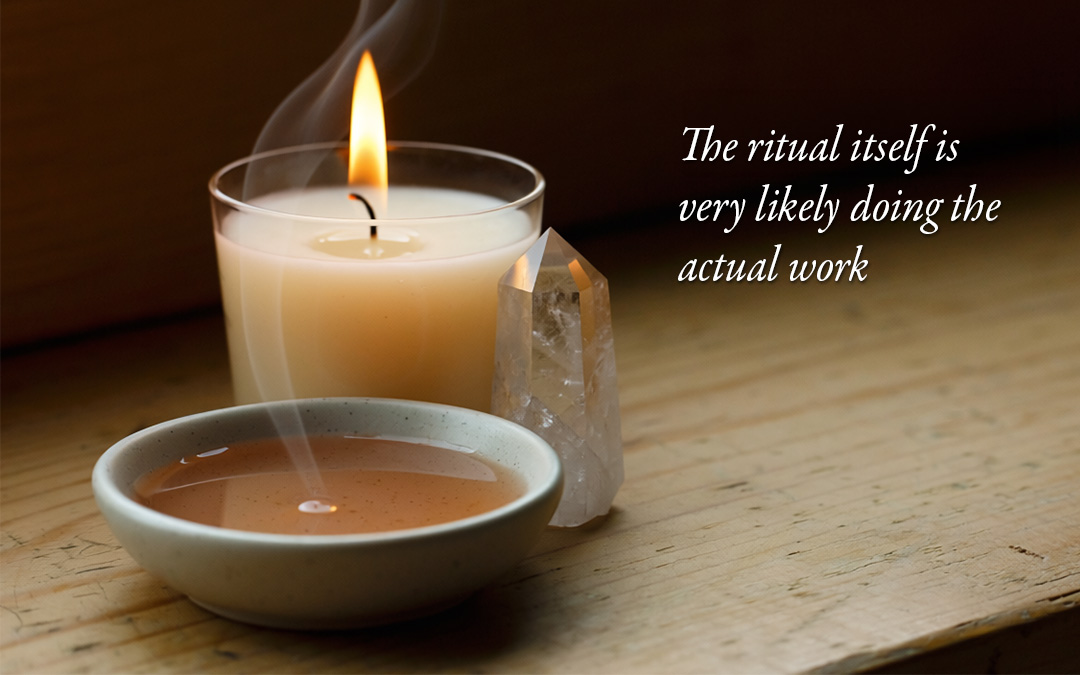
A room with soft lighting, a familiar scent, an hour with nothing to do but listen. Some of the appeal of alternative therapies is easy to understand before any explanation of healing enters the picture.
Sound baths, aromatherapy and crystals offer different experiences, and the evidence behind them differs too. Enjoying a scent or finding a session restful is one thing; establishing that an oil, frequency or stone treats a health condition is another.
That distinction leaves room for pleasure without accepting every claim attached to it. An experience can be worth having because it offers rest, interest or company, even when the explanation offered for its effects is unconvincing.
The experience and the promise
A useful starting point is to separate what a practice offers from what is being promised on its behalf: how it feels, what it costs and whether its claims stand up to scrutiny.
- Notice which parts of the experience appeal. The scent, the sound, the company or simply an hour set aside for rest? That can help clarify what is worth returning to.
- Enjoy a pleasant sensation without asking it to be a treatment. A favourite scent or a resonant sound can be welcome in its own right.
- Separate personal meaning from medical claims. An object may hold memories or mark an intention. That does not establish that it changes the body’s energy or treats illness.
- Consider what a simpler version might offer. Quiet music, a comfortable room or a small ritual at home may provide some of what makes a paid session appealing.
- Look closely at promises before spending money. Claims about healing frequencies, detoxification or treating illness need credible evidence. Advice to abandon prescribed treatment is a reason to step away.
An hour set aside for a sound bath may be the first part of a week in which nothing needs answering, finishing or organising. That change of pace belongs in the picture alongside the bowls, the lighting and the words used to introduce the session.
It is difficult to separate those ingredients. Feeling better afterwards is worth noticing, but it does not establish which part helped or whether the explanation offered was right.
What scent and sound can offer
A familiar scent can bring a place or person vividly to mind. Sound can hold attention, change the atmosphere of a room or simply be a pleasure to listen to. These are ordinary experiences with considerable richness of their own.
Aromatherapy builds on the use of fragrant plant oils, sometimes alongside massage. Some studies suggest benefits for particular symptoms, but the evidence is uneven. Enjoying lavender is not the same as establishing lavender oil as a treatment for anxiety or insomnia.
Research into singing-bowl sessions has also reported improvements in mood and tension. The studies remain limited, however, and do not establish the sweeping claims sometimes made about particular frequencies or vibrations.
Crystals can have a different kind of value: beauty, something pleasing to hold, a gift with a history or a reminder of an intention. Those meanings do not require a claim that the stone has healing powers.
Feeling better and explaining why
A benefit can be real while its explanation remains uncertain. Rest, attention, expectation, company and the sensory experience may all contribute, in different proportions for different people.
Placebo research shows that expectations and the circumstances surrounding care can influence some symptoms. It does not prove that every alternative therapy works through placebo, or that a reassuring ritual can treat an underlying illness.
There is room to say “that was enjoyable” or “I felt less tense afterwards” without turning the experience into a medical claim. Nor does enjoying a session require accepting everything said by the person leading it.
Where the promises become a problem
The stakes change when an enjoyable experience is sold as a way to diagnose illness, correct an invisible imbalance or replace established treatment.
Claims about clearing toxins, repairing energy fields or healing disease through a particular frequency need evidence specific to those claims. Testimonials and scientific-sounding language cannot supply it.
“Natural” also says little about safety. Essential oils are concentrated substances and can cause irritation or allergic reactions; they should not be swallowed as a home remedy. A scent or sound that feels pleasant to one person may be uncomfortable for another.
The most useful distinction is between paying for an experience and paying for a promised health outcome. A restful hour, a beautiful object or a scent associated with home can have a place in life without carrying the burden of being a cure.
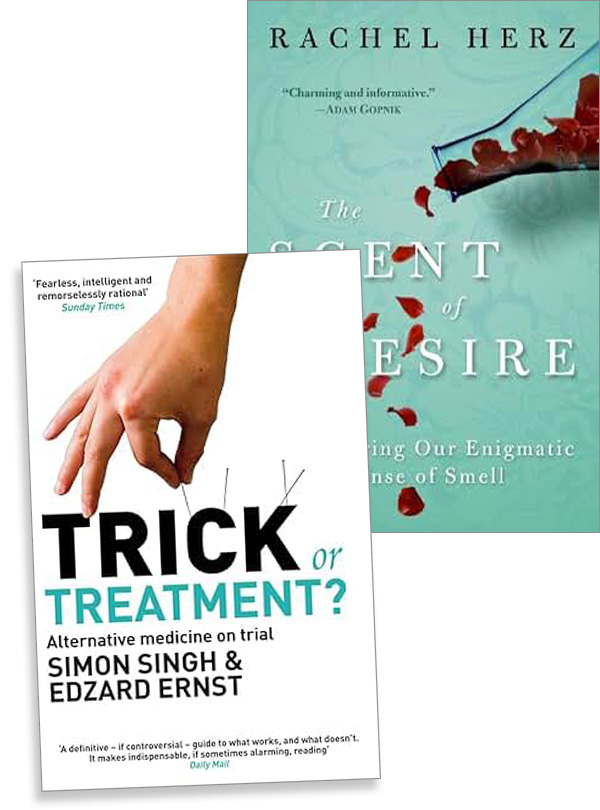
Recommended reading
Simon Singh and Edzard Ernst’s Trick or Treatment? examines the evidence behind a range of alternative treatments, showing how their claims can be tested rather than accepted or dismissed on reputation.
Rachel Herz’s The Scent of Desire explores the place of smell in memory, emotion and everyday life — a fascinating subject beyond the promises attached to aromatherapy.