
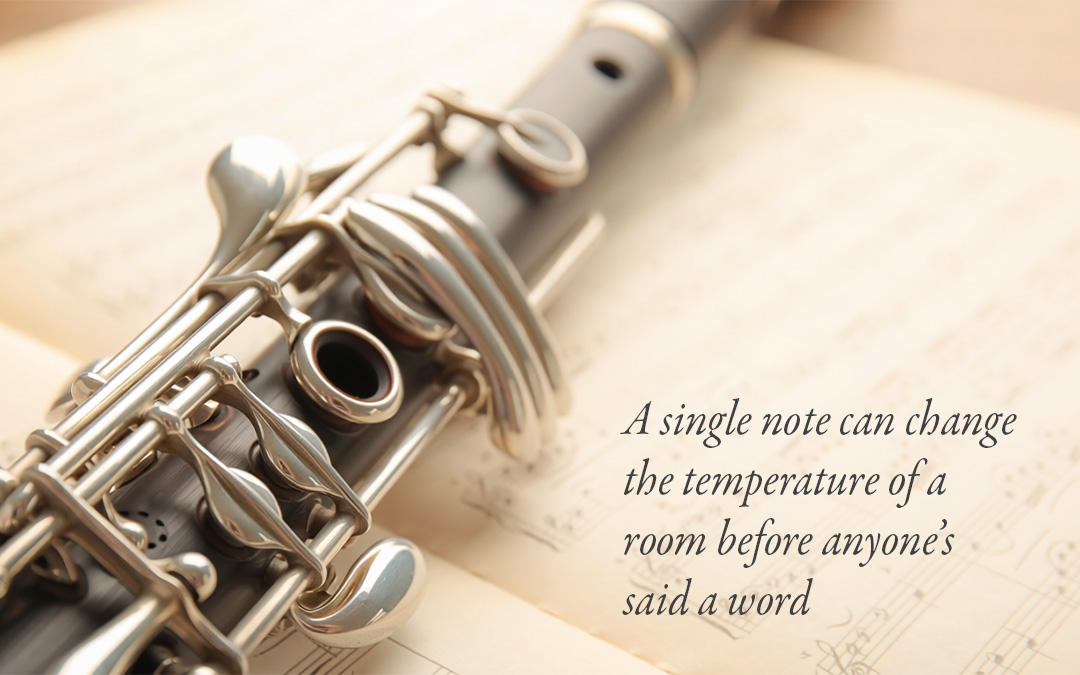
A favourite song, a familiar melody or an interesting rhythm can offer enjoyment, company or a change of pace. Music can be part of a quiet break, an active moment or time shared with others.
You might listen, sing, hum or play an instrument. There is no need to perform well or know much about music to enjoy spending time with it.
Start with what appeals to you. Gentle music may suit one moment; something lively or intense may fit another. A playlist labelled “relaxing” is only useful if you like how it sounds.
Your response can change too. Music brings personal associations, and a song that once felt comforting may now be distracting or bring up difficult memories.
You can give music your full attention or let it accompany a suitable activity. Keep the volume comfortable, and choose quiet instead whenever that feels better.
Choosing music for the moment
Pick a piece you want to hear, or try making a little music yourself. Notice whether you enjoy the experience, and adjust the sound, volume or activity as needed.
- Choose music that appeals to you now. You might want something that reflects your mood or offers a change. Try a track without expecting it to make you feel a particular way.
- Keep a few favourites easy to find. Make a short playlist or keep an album handy. Include different options for quiet listening, movement or singing along, if those interest you.
- Listen in a way that suits the activity. Give a piece your attention during a break, or try it alongside a familiar task. If music makes concentration harder, pause it.
- Try making music if you would enjoy it. Hum, sing, tap a rhythm or play a few notes on an instrument. Keep it manageable, without needing to practise for improvement or perform for anyone.
- Adjust or stop when you want to. Keep the volume comfortable and consider others sharing the space. Change the track or choose quiet if the sound feels tiring, intrusive or upsetting.
Keep familiar music handy if you enjoy returning to it, and explore something new when that appeals. Neither approach is better in every situation.
Notice how the listening feels today. You may want comfort, energy, interest or simply a pleasant accompaniment; the same piece will not always suit each purpose.
Everyday music and music therapy
Listening and making music can be enjoyable activities in their own right. Music therapy is a separate clinical practice, built around a therapeutic relationship and a person’s needs.
In the UK, music therapists are registered with the Health and Care Professions Council. Sessions may involve improvising, singing, playing instruments or listening, with no requirement for the person attending to have musical skills.
Research on music therapy should not be treated as evidence that a particular playlist provides the same treatment. You can enjoy music at home without needing to describe it as therapy.
What the evidence can tell us
Studies suggest that music-based activities can reduce reported stress and anxiety in some settings. Changes in measures such as heart rate and blood pressure are less consistent.
The research includes different people, activities and circumstances, from everyday listening to clinical care. Average benefits across studies do not establish which piece will help you, how quickly or for how long.
Tempo is only one part of the experience. Volume, lyrics, familiarity, personal associations and whether you want to hear the music can all matter. Slow music is not automatically calming.
Claims that one track reduces anxiety by an exact percentage should be read cautiously. A result from a particular study cannot predict your response or establish that the track treats an anxiety disorder.
Let enjoyment and comfort guide you. You might combine music with play or use it to mark a pause in your daily routine. If it brings up difficult feelings or becomes tiring, change it or choose quiet.
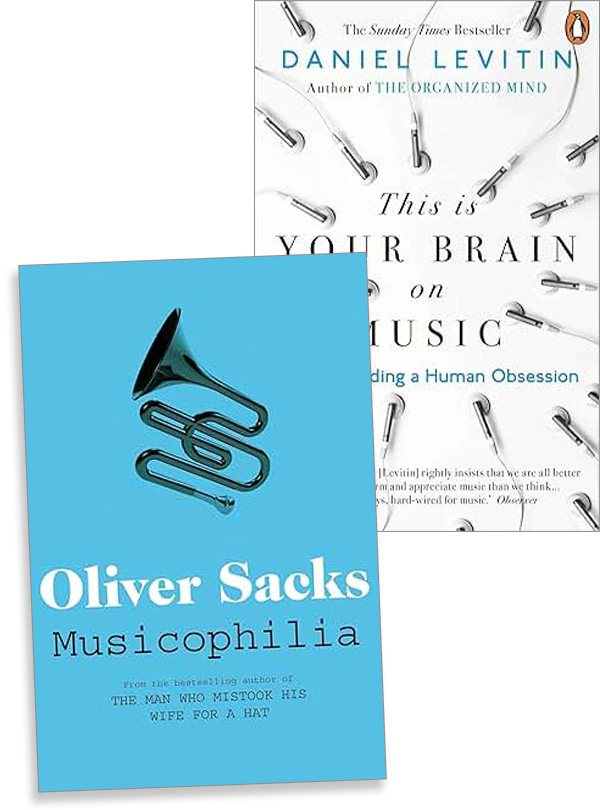
Recommended reading
Oliver Sacks’s Musicophilia explores music through the experiences of people with unusual neurological conditions. His accounts include people who hear music differently, develop an intense interest in it, or retain musical abilities despite profound memory difficulties.
Sacks keeps the person’s experience central, making this an engaging choice if you enjoy stories that raise questions about memory, perception and identity. It offers a way to understand the varied place music can have in people’s lives.
Daniel Levitin’s This Is Your Brain on Music takes a broader look at how we hear, recognise, make and enjoy music. Drawing on his experience as a musician and neuroscientist, he uses examples from different genres to explain the connections between sound, expectation, memory and emotion.
Topics include why familiar songs can carry strong associations, how musical patterns create pleasure and why tunes get stuck in our heads. It may suit you if you want more explanation of everyday listening, with enough detail to explore the science without needing formal musical training.