
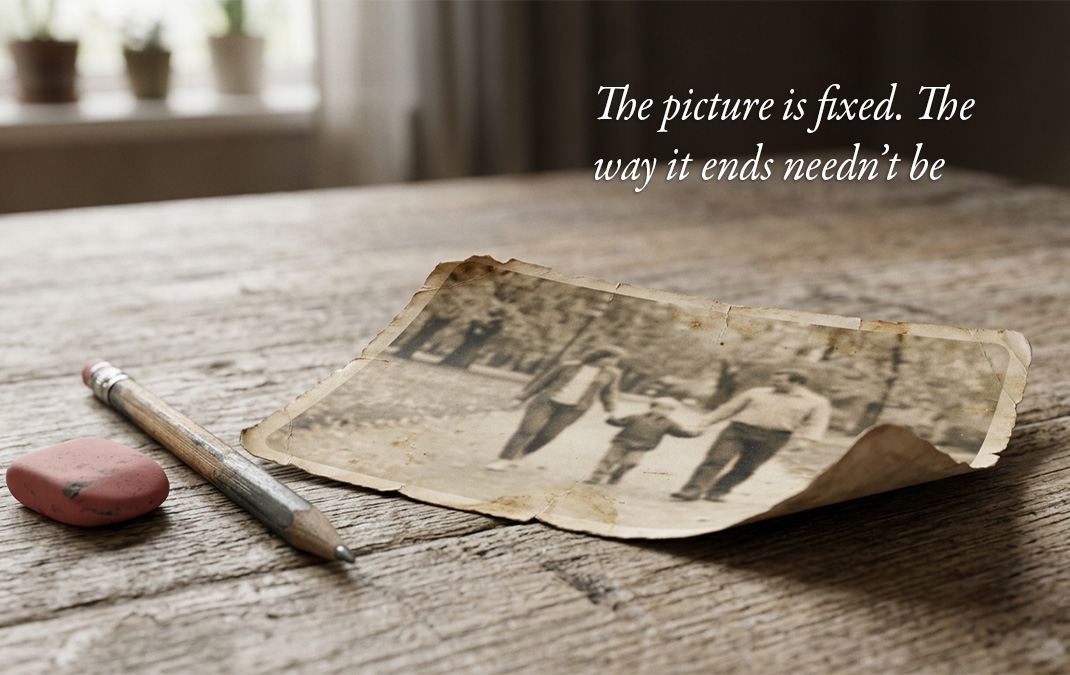
Imagery rescripting involves changing what happens in an imagined scene. In therapy, it can be used to work with distressing memories or recurring images, adding help, protection or a different response to what happened.
For example, someone recalling being humiliated might imagine receiving support or being able to leave. The aim is to work with the feelings and meanings attached to the scene, while recognising that the original event happened.
A related treatment for nightmares, imagery rehearsal therapy, involves creating a revised version of a dream and practising that version while awake. It has its own treatment guidance and is not identical to rescripting a memory.
These approaches have been studied in structured treatment. The findings do not establish that briefly rewriting an image on your own will have the same effect.
For traumatic memories, flashbacks or images that feel overwhelming, seek help from a qualified mental health professional. You can ask what imagery work would involve before deciding whether to try it.
Understanding the exercise
The steps below introduce the idea using a mildly uncomfortable imagined situation. You can use a fictional example rather than a personal memory. If distress increases or you feel less connected to your surroundings, stop and look around the room.
- Choose a manageable example. Sit somewhere comfortable and consider a mildly awkward imagined situation, such as losing your place during a presentation. Use a fictional scene if you prefer, rather than a distressing memory.
- Describe the scene briefly. Picture it or write a sentence about it. You do not need a vivid image or lots of detail. Keep your eyes open if that helps you stay aware of the room.
- Add a helpful response. Imagine what would make the situation easier: someone giving you time, offering support or helping you leave. In the presentation example, you might pause, check your notes and continue at your own pace.
- Consider the revised version. Briefly imagine or read through what happens next. Notice your response without trying to produce relief. You can change the scene, leave it unfinished or stop if it feels uncomfortable.
- Return to your surroundings. Look around, notice the chair or floor supporting you and move gently before continuing your day. If the exercise brings up distressing memories, leave further imagery work for discussion with a qualified therapist.
If the exercise becomes uncomfortable, stop and turn your attention to the room. Notice a familiar object or an ordinary sound. You can leave the scene unfinished; there is no need to reach a reassuring ending.
How it is used in therapy
Imagery rescripting is used in cognitive behavioural approaches, including schema therapy. A therapist helps someone explore a distressing image or memory and imagine a response that addresses needs such as protection, support or being heard.
The work may involve imagining someone intervening, challenging unfair treatment or helping the person leave a situation. It need not produce a happy ending or make what happened seem acceptable.
The imagined changes are recognised as imagined. Rescripting is not a method for discovering hidden memories or establishing what happened in the past.
What the research suggests
Studies have examined imagery rescripting for difficulties including PTSD, anxiety and depression. A 2023 review of 17 randomised trials found benefits compared with mainly waiting-list controls.
It found no clear difference in effectiveness compared with the other psychological treatments studied. That does not establish that the approaches are interchangeable or equally suitable for every person.
The number of trials for each condition was limited. These findings support further use and study in clinical settings, rather than promises about what a short self-guided exercise will achieve.
Changing the meaning, not the facts
A memory can carry conclusions as well as images: “It was my fault”, “Nobody would help” or “I cannot protect myself”. Rescripting aims to work with those meanings and the feelings connected to them.
Imagining receiving help may offer a different perspective on what you needed at the time. It does not change the event or require you to forgive anyone involved.
Researchers are still investigating how rescripting works. The idea that every act of recall opens a window for rewriting a memory is too simple to explain the treatment.
If nightmares are the main difficulty
Imagery rehearsal therapy focuses specifically on nightmares. With guidance, you create a less frightening version of a dream and rehearse that version while awake.
It can address nightmares without treating every other trauma-related symptom. If nightmares recur, disrupt sleep or make you afraid to go to bed, discuss them with your GP or a qualified clinician.
Choosing the right support
For distressing memories, ask a therapist about their training in imagery rescripting and experience with your difficulties. Discuss how they prepare you, pace the work and provide support between sessions.
If you are already receiving therapy, speak to your therapist before adding memory-focused exercises. They can help you decide whether this fits your current treatment.
If you mainly want to explore a pleasant imagined setting, safe-place visualisation has a different purpose. If imagery leaves you feeling overwhelmed or disconnected, grounding techniques focus on your surroundings instead.

Recommended reading
Mary Beth Williams and Soili Poijula’s The PTSD Workbook offers explanations and exercises for managing trauma-related difficulties, including intrusive memories, anxiety and sleep problems.
It provides wider background rather than a focused guide to imagery rescripting. If you are receiving treatment, you can discuss which sections might complement it with your therapist.
Courtney Worley and Michael R. Nadorff’s The Nightmare and Sleep Disorder Toolkit focuses on nightmares and disrupted sleep. It includes imagery rehearsal therapy alongside other approaches to sleep difficulties.
This is the more relevant choice if nightmares are your main concern. It explains ways to revise distressing dream content and practise a new version, rather than rescript a waking memory.