
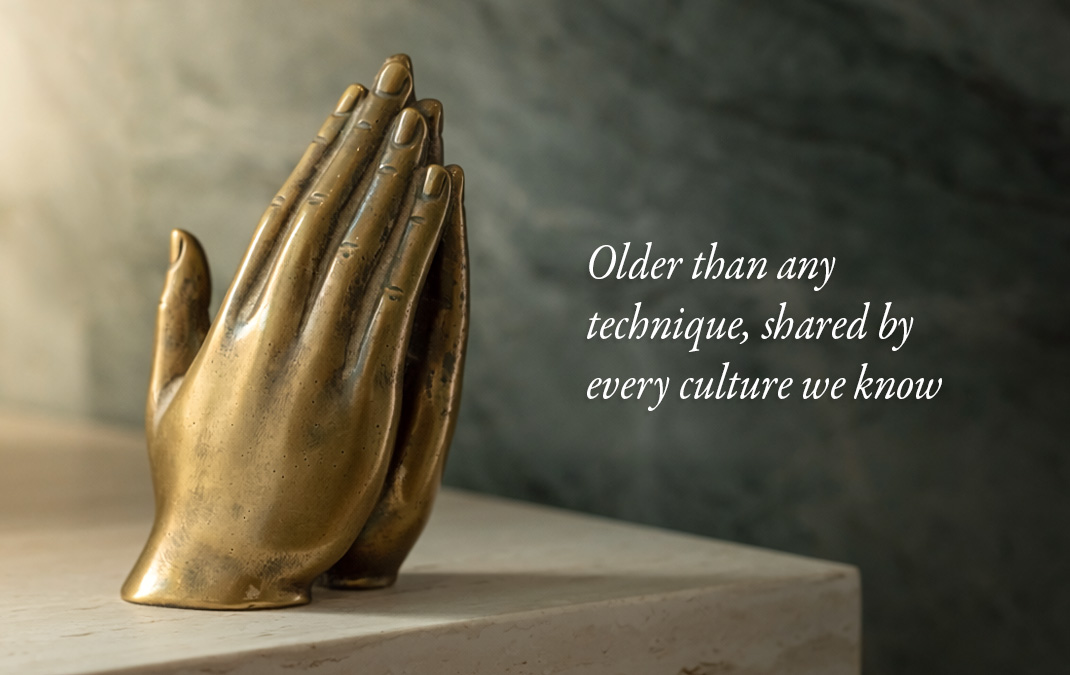
Prayer can be a way to express thanks, ask for help, speak about something painful or spend time in silence. Its meaning and form depend on your beliefs and the tradition you practise.
For some people, familiar words and rituals offer comfort or a way to put difficult feelings into words. Religious practice may also involve worship, reading, music and belonging to a community.
You might pray alone, with others or as part of a regular service. If you belong to a faith tradition, its teachings and a trusted member of your community can help you find a practice that fits.
Prayer does not have to leave you feeling calm. It can include grief, anger, uncertainty or questions about belief. You don’t need to judge it by whether your mood changes.
If you do not hold religious beliefs, you may prefer quiet reflection or a personal ritual. You can make time to consider what matters to you without calling that prayer or adopting beliefs you do not share.
How to begin
The following steps offer a simple structure for personal prayer or reflection. Adapt them to your beliefs and needs; they are not instructions for the formal prayers of a particular religion.
- Choose a moment that suits you. You might take a few minutes on waking, before a meal or at the end of the day. A familiar time can help you remember, but you can also pray or reflect when a need arises.
- Pause in a comfortable position. Sit, stand or use a posture from your tradition that suits your body. Let your breathing follow its usual rhythm. You can keep your eyes open and notice your surroundings before beginning.
- Put into words what matters now. Use a familiar prayer, speak in your own words or remain silent. You might express thanks, ask for help, remember someone or acknowledge something painful. Your own needs can be part of this too.
- Make room for uncertainty. You can express a hope without knowing what will happen. There is no need to force confidence or a feeling of peace. If useful, consider whether there is a practical step you can take alongside the prayer, such as contacting someone or asking for support.
- Finish in a way that feels appropriate. Use a closing phrase from your tradition, pause briefly or return to your day. If the practice brings up distress, stop and seek support from someone you trust. You can choose another form of reflection if this does not suit you.
Where it comes from
Prayer belongs to many religious traditions, with different histories, purposes and forms. It can include asking for help, giving thanks, expressing sorrow, reciting familiar words or waiting in silence.
Some practices follow set times and words; others are more personal. In many Quaker meetings in Britain, for example, people gather in silence, and someone may speak when they feel moved to contribute.
For believers, prayer may be part of a relationship with God or the sacred, rather than an exercise intended to produce calm. Its meaning cannot be reduced to its effects on breathing, attention or mood.
Worth knowing
Prayer and religious life can offer comfort, meaning and companionship. They can also bring conflict, guilt or fear. What matters is how the practice and the people around it affect you.
Some research links religious participation with better mental health. Much of it is observational, so it cannot show that prayer itself causes the benefit. Community support, routines and other differences may contribute.
Praying for someone else is often called intercessory prayer. A 2009 Cochrane review of trials involving people receiving medical care found no clear overall improvement in recovery or survival from additional prayer.
That finding concerns measured health outcomes. It does not settle questions of faith or tell us what praying means to the people involved.
Prayer can sit alongside medical care, psychological support and practical help. It should not become a reason to delay treatment or blame someone for remaining unwell.
If prayer brings up persistent fear, shame or pressure to repeat words until they feel “right”, seek support. A trusted faith leader may help with religious questions; a qualified healthcare professional can help when distress is affecting daily life.
If you prefer a secular approach, acceptance and letting go offers ways to acknowledge uncertainty while considering what you can do. You do not need to adopt religious beliefs to explore that practice.
Recommended reading
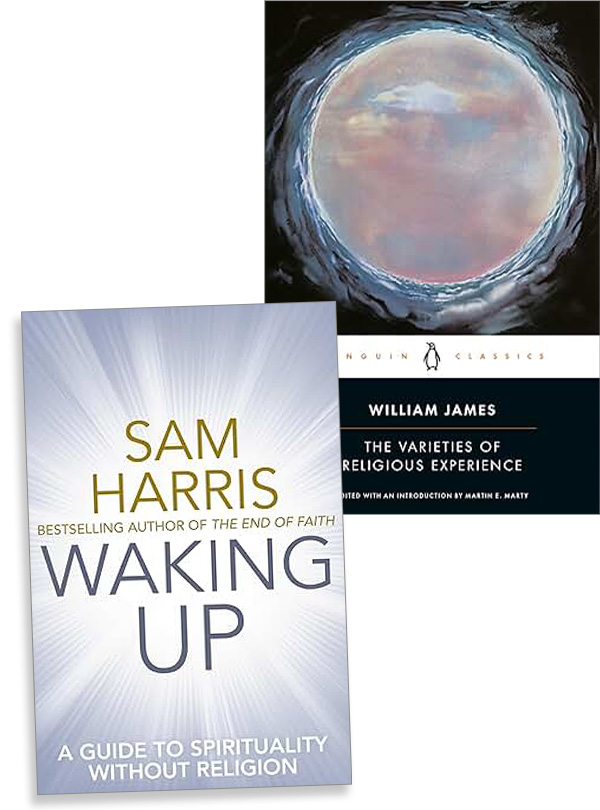
William James’s The Varieties of Religious Experience, published in 1902, explores personal religious experience through accounts of belief, conversion and mysticism.
It may interest you if you want to understand how people describe faith and its place in their lives. It is a substantial historical work, with language and assumptions of its time, rather than a practical guide to prayer.
Sam Harris’s Waking Up: A Guide to Spirituality Without Religion explores meditation, consciousness and spiritual experience from a secular perspective.
Harris is critical of religious belief, so this is a particular viewpoint rather than a neutral introduction to faith. It may suit you if you want to explore contemplation without adopting a religion.