
Techniques and practices for calm – a survey of what human beings have tried, across centuries and cultures, in pursuit of peace of mind. Organised into 18 categories, moving broadly from the most grounded and well-evidenced approaches toward the more contested and speculative. Each entry is honest about what the evidence actually suggests.
Not yet published.
Contemplation
The oldest and most recognisable routes to a quieter mind – practices that work by training attention itself, from meditation and prayer to the disciplines of the Stoics.
- Meditation
- MBSR 8-week course
- Guided meditation
- Stoic practice
- Prayer & religious practice
- Loving-kindness meditation
- Chanting & singing
Physical practice
Calm reached through the body rather than the mind – breath, movement, exertion and rest, which are often the most direct doorway into the contemplative practices above.
- Yoga
- Breathing practices
- Physical exertion
- Sleep & rest
- Tai chi & qigong
- Progressive muscle relaxation
- Napping
- Sauna & heat therapy
- Massage
Therapy tools
Concrete, do-it-now interventions drawn from trauma and anxiety therapy – practical tools for an acute moment rather than long-term disciplines.
- Grounding techniques
- Safe place visualisation
- Working with your parts
- Somatic techniques
- The STOP technique
- Imagery rescripting
- Positive data logs
- The placebo effect
- EFT (tapping)
- EMDR (eye movement)
- TIPP (crisis skills)
- The butterfly hug
Mind & psyche
The formal psychological models that underpin the therapy tools above – structured ways of changing how we relate to anxious thought rather than fighting the feeling directly.
- CBT method
- ACT method
- Journalling & writing
- Self-compassion practice
- Gratitude practice
- Not knowing
Nature & places
Some of the most robust evidence in the whole field: calm that comes simply from where we put ourselves – among trees, beside water, with hands in the soil.
- Walking in nature
- Mindful walking
- Water: rivers & sea
- Gardening & tending
- Awe
- Stargazing & dark skies
Doing nothing
A quiet hinge in the middle of the list. No technique, no method, no app – just vacancy, and the possibility that calm is what remains when you stop trying to fill every moment.
Ritual & routine
The structured counterpart to doing nothing – gentle scaffolding that reduces uncertainty, from a predictable daily rhythm to a small thing done the same way, with care.
Relationships
On the evidence, one of the single most powerful regulators of the nervous system – and one of the most easily overlooked, perhaps because it can’t be packaged and sold.
- Close relationships
- Physical touch
- Animals & pets
- Equine therapy
- Volunteering & helping others
Humour & play
The warm, human, under-rated companion to connection – states of laughter and unselfconscious absorption that interrupt rumination more abruptly than almost anything else.
Flow & creativity
The absorption of making or being lost in something – the closest most non-meditators come to a calm state, reached paradoxically through deep engagement rather than stillness.
- Flow states
- Reading
- Music
- Dance
- Handicrafts
Mortality & acceptance
The philosophical heart of the library: the argument, from Epicurus to the Stoics to Buddhism, that genuine equanimity is impossible without an honest reckoning with what cannot be changed.
- Facing death
- Letting go
- Nostalgia
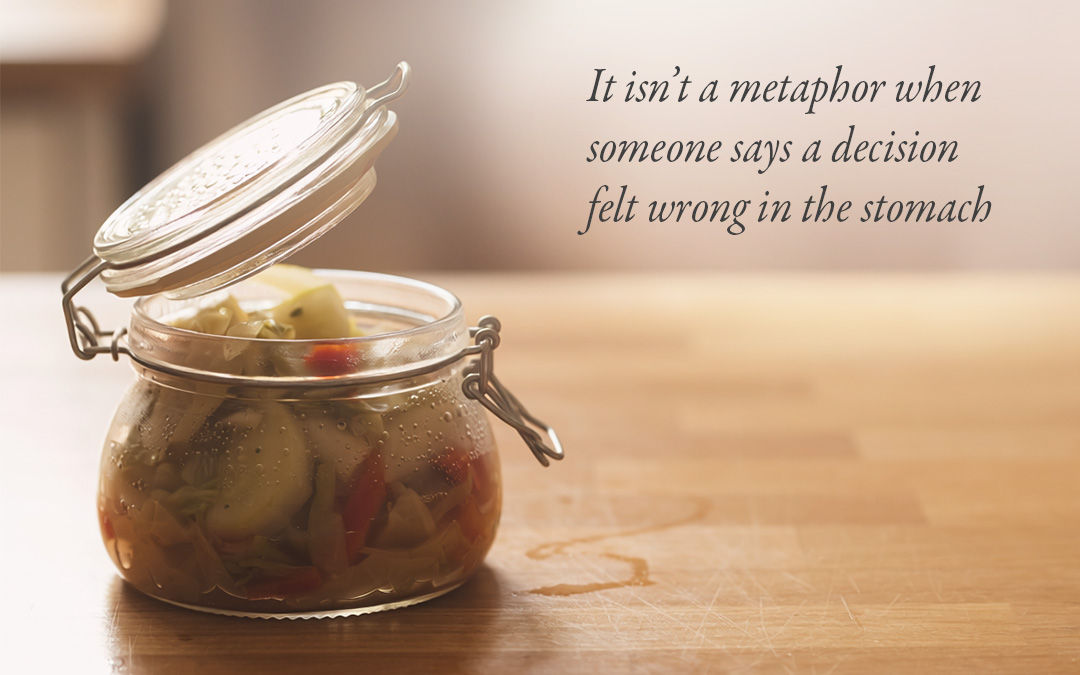
Body chemistry
A return to the practical and physiological – the rapidly growing evidence that what we eat, and the gut that processes it, shapes mood more than long assumed.
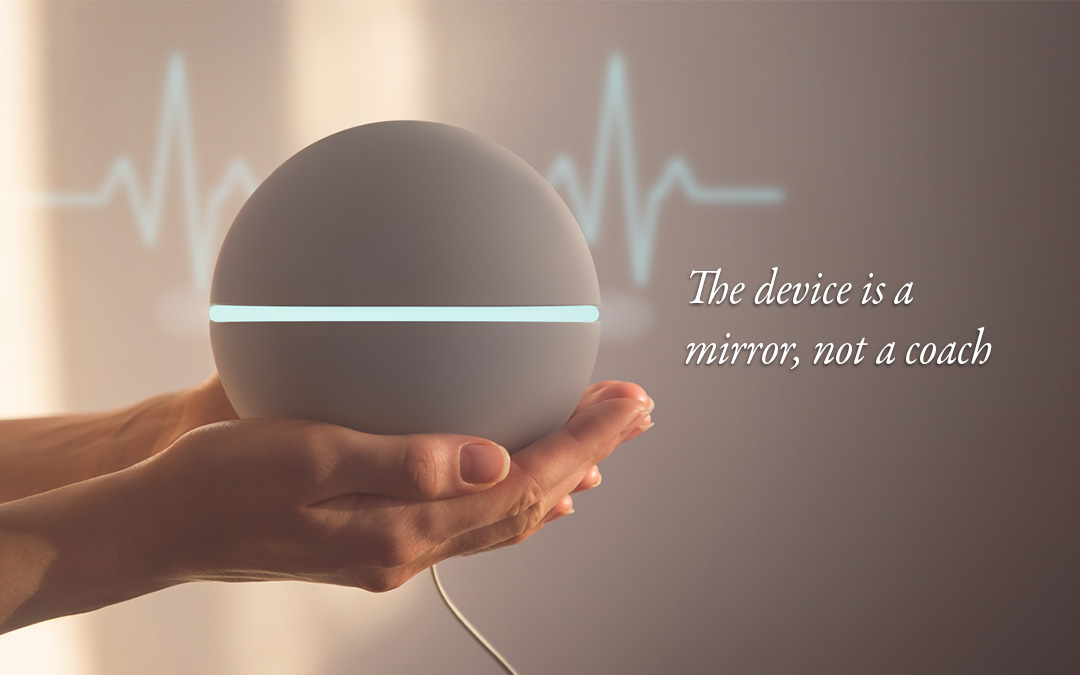
Apps & digital tools
The beginning of the more contemporary and more sceptical tail of the library – modern, useful, but with the irony that they’re delivered through the most anxiety-inducing device most people own.
- Mindfulness apps
- Biofeedback
- Ambient sounds
- ASMR
- Binaural beats
- Weighted blankets

Artificial intelligence
The genuinely new and largely unstudied – talking to something that always listens and never judges, where the research is moving far slower than the behaviour.
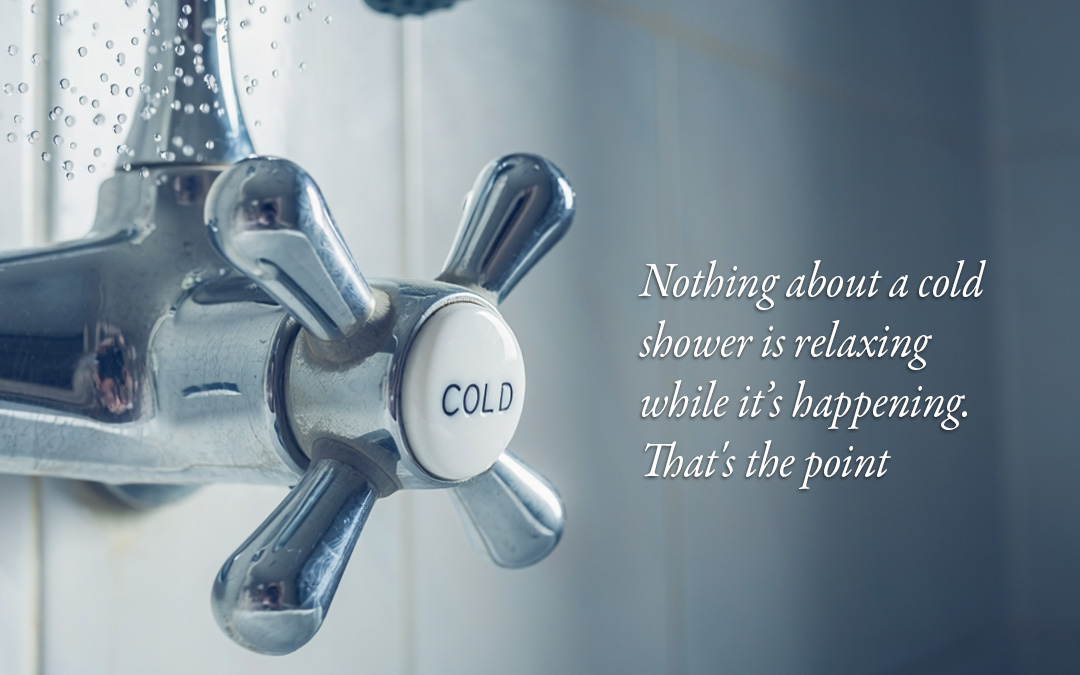
Embracing discomfort
The counterintuitive approaches – voluntarily meeting cold, hunger or hardship in the belief that it builds a resilience making ordinary life feel calmer by contrast.
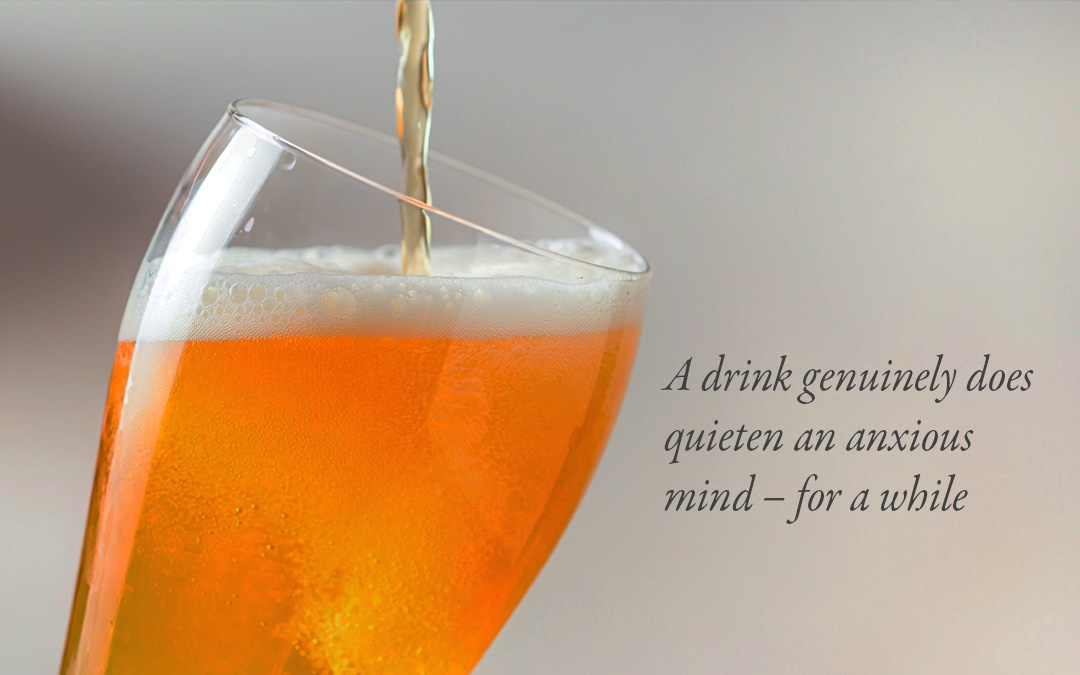
Drugs & substances
Powerful but heavily caveated – the pharmacological routes to calm, from the oldest self-medications to the most prescribed drugs in the world, placed here where context has been established.
Wellness trends
Kept deliberately last and openly flagged as thin on evidence – the placebo-and-ritual entries, worth including because the attention and permission to stop may do real work regardless of the mechanism claimed.
Retreat & withdrawal
A deliberate, bounded withdrawal from ordinary life, rather than a technique practised within it – stepping away completely, for a set period, then returning.
- Silent retreats & Vipassana
- Floating (sensory deprivation)
- Pilgrimage